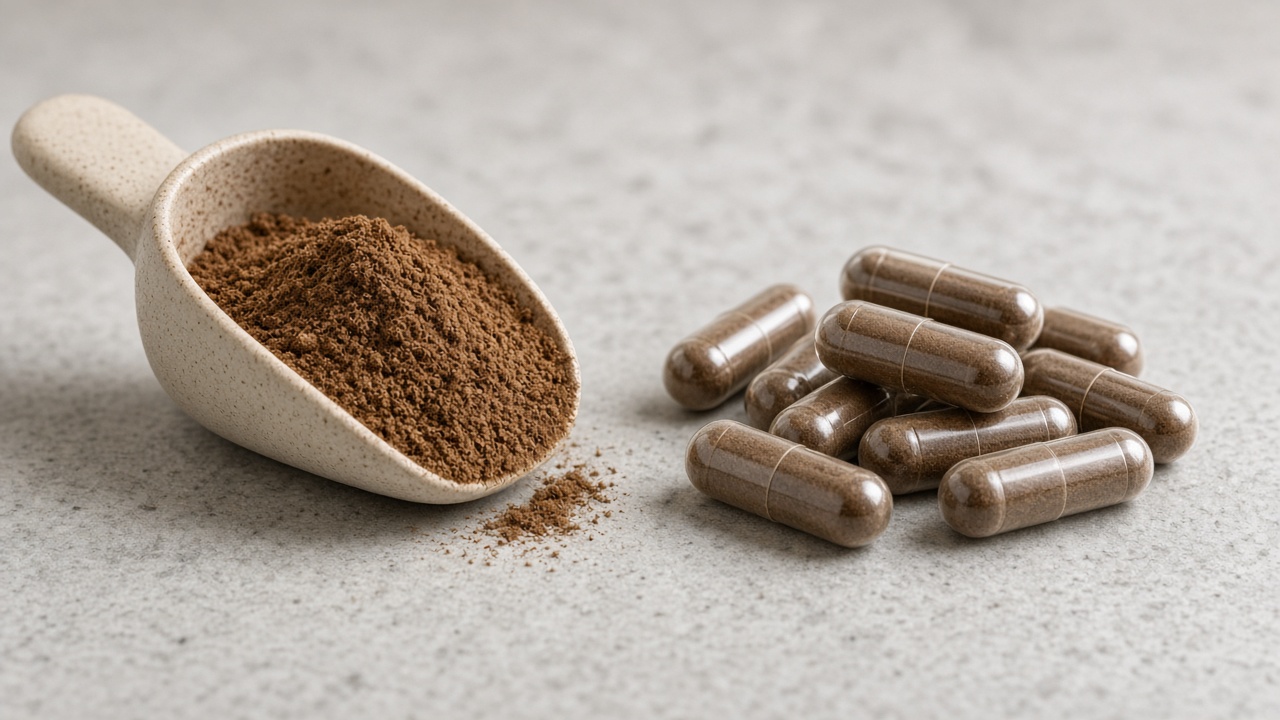
Dual-Extract Capsules
Capsules that promise both polysaccharides and triterpenes need the dual extract. A water-only extract colours the dose and misses most of the bitter triterpenes.
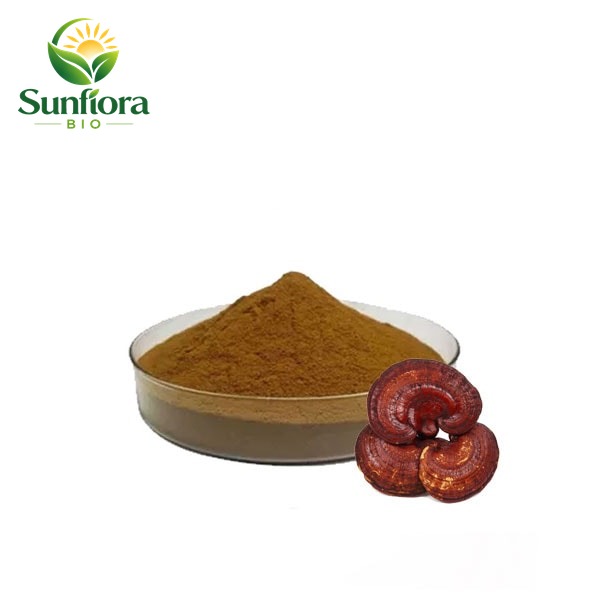
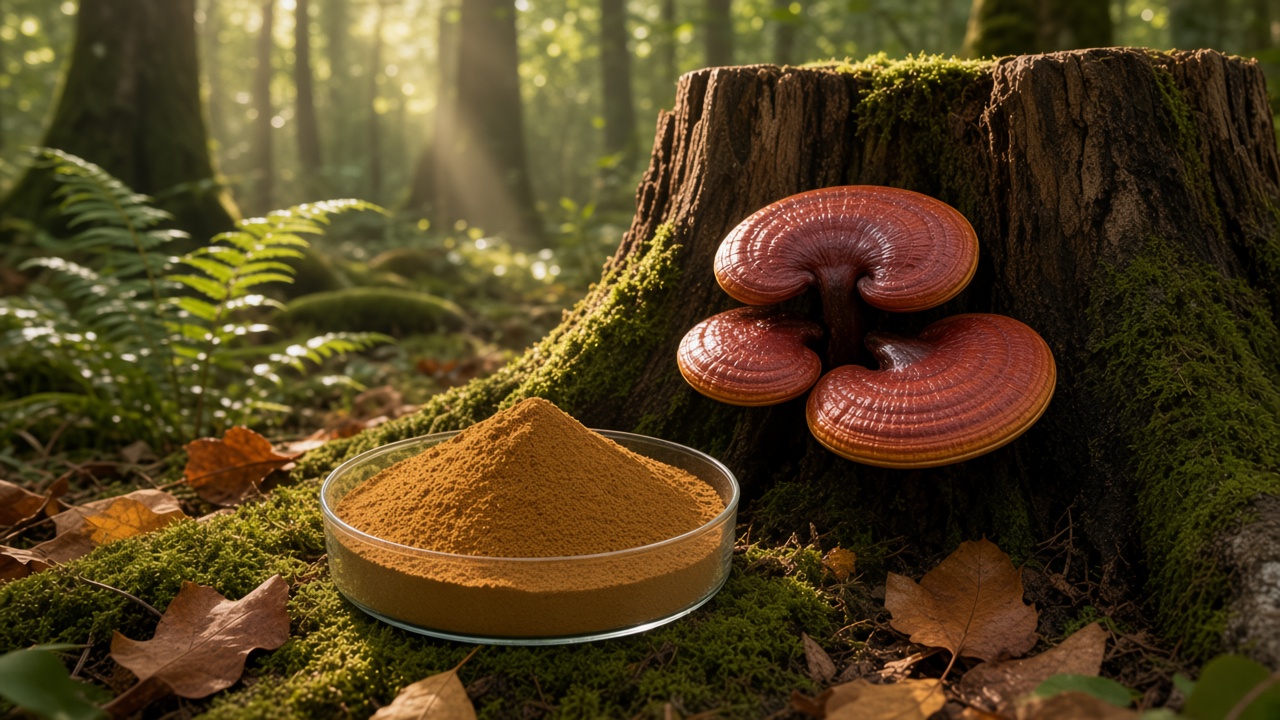
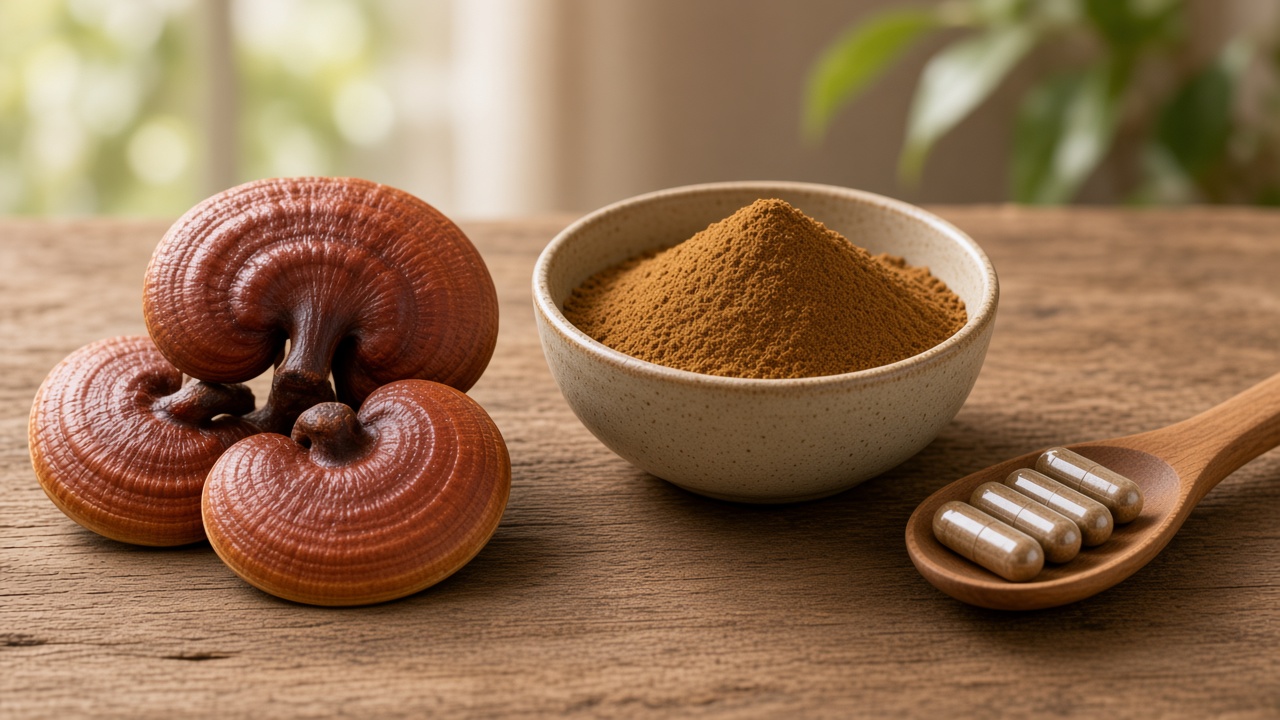
Reishi is bitter for a reason. The triterpenes, including ganoderic acids, sit in a fraction that water often misses. A polysaccharide or beta-glucan extract of Ganoderma lucidum can be exactly what a capsule needs and still show almost nothing if the label promised ganoderic acids.
Fruiting body and mycelium are both in trade. Organic is a certificate on this code, not a result of the assay. Ratio grades such as 5:1 do not state either marker. Name the part, pick the fraction on purpose, and do not skip heavy metals.
| Mushroom Source | Reishi | Latin Name | Ganoderma lucidum |
|---|---|---|---|
| Part Used | Fruiting body or mycelium | Appearance | Brown fine powder |
| Polysaccharides % | 10%–30% | Beta-Glucan % | 30% |
| Test Method | HPLC | MOQ | 1 kg |
| Extract Ratio | 5:1, 10:1 |
Capsules that promise both polysaccharides and triterpenes need the dual extract. A water-only extract colours the dose and misses most of the bitter triterpenes.
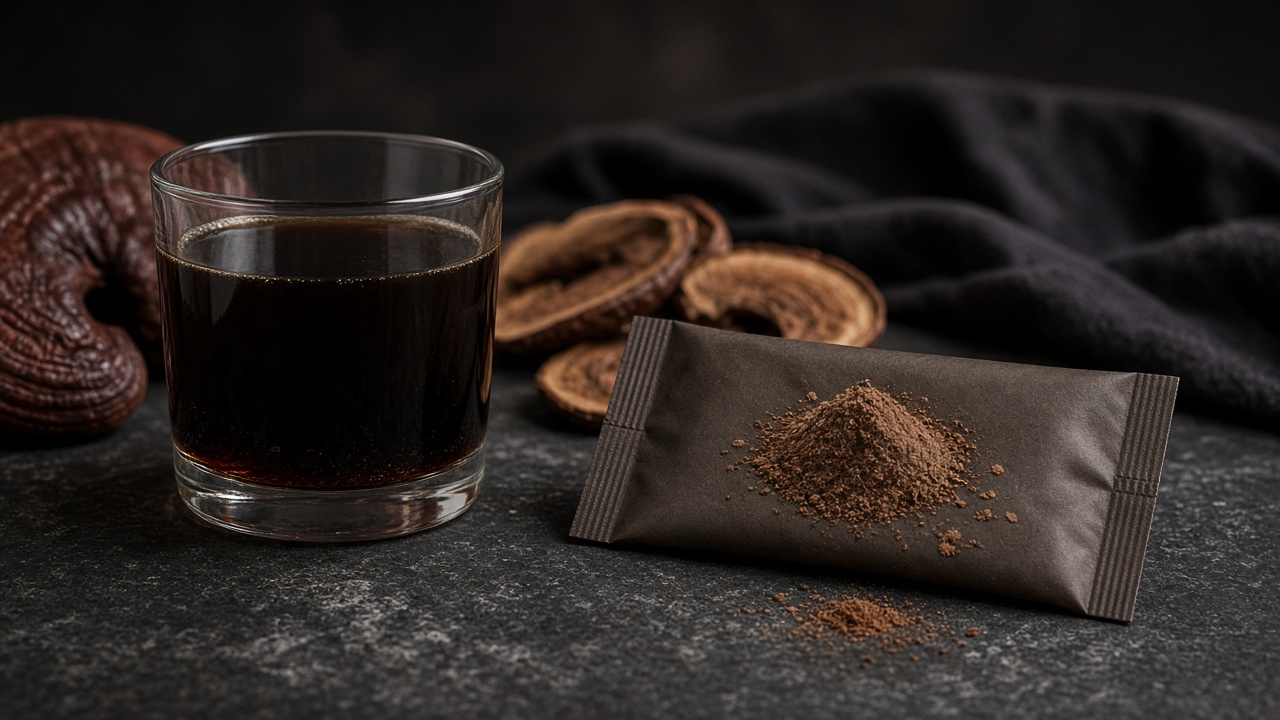
Reishi drinks go dark and bitter. Sliced reishi in a tea bag is the raw conk, not this extract.
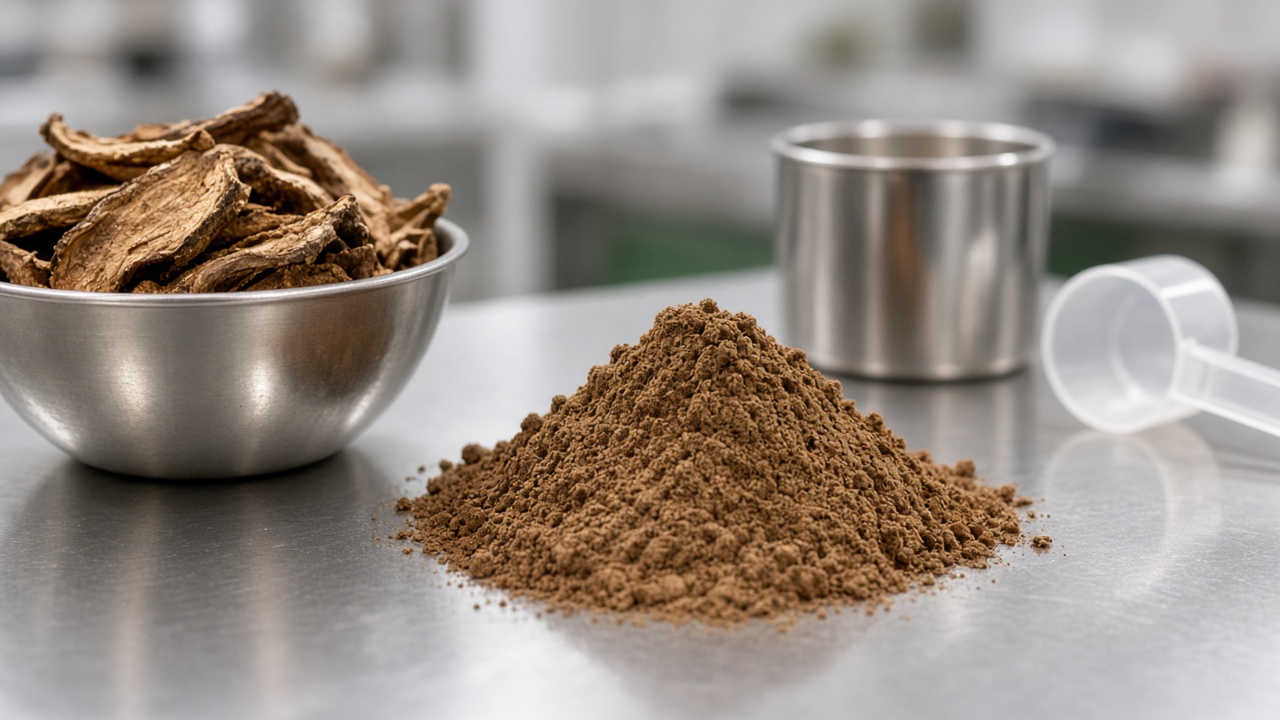
Organic blends can include it when the certificate covers this extract.
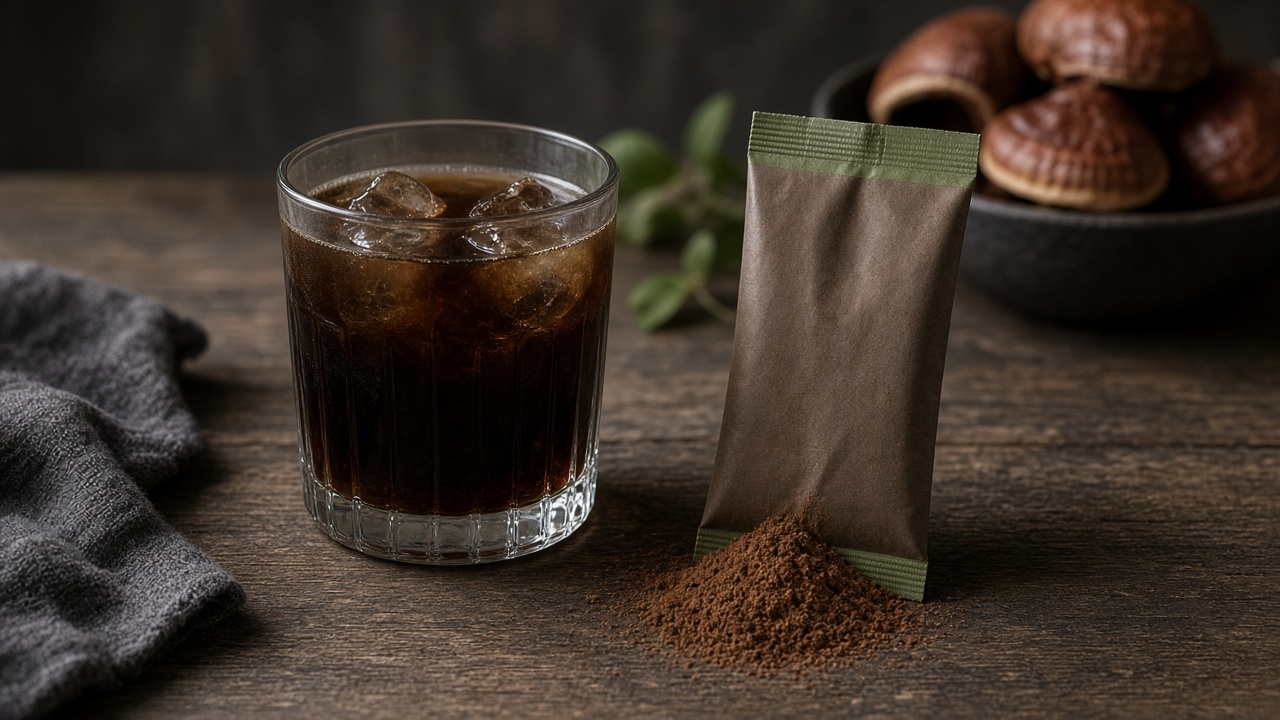
Beverages take the dark colour and the bitterness. A clear drink is the wrong place.
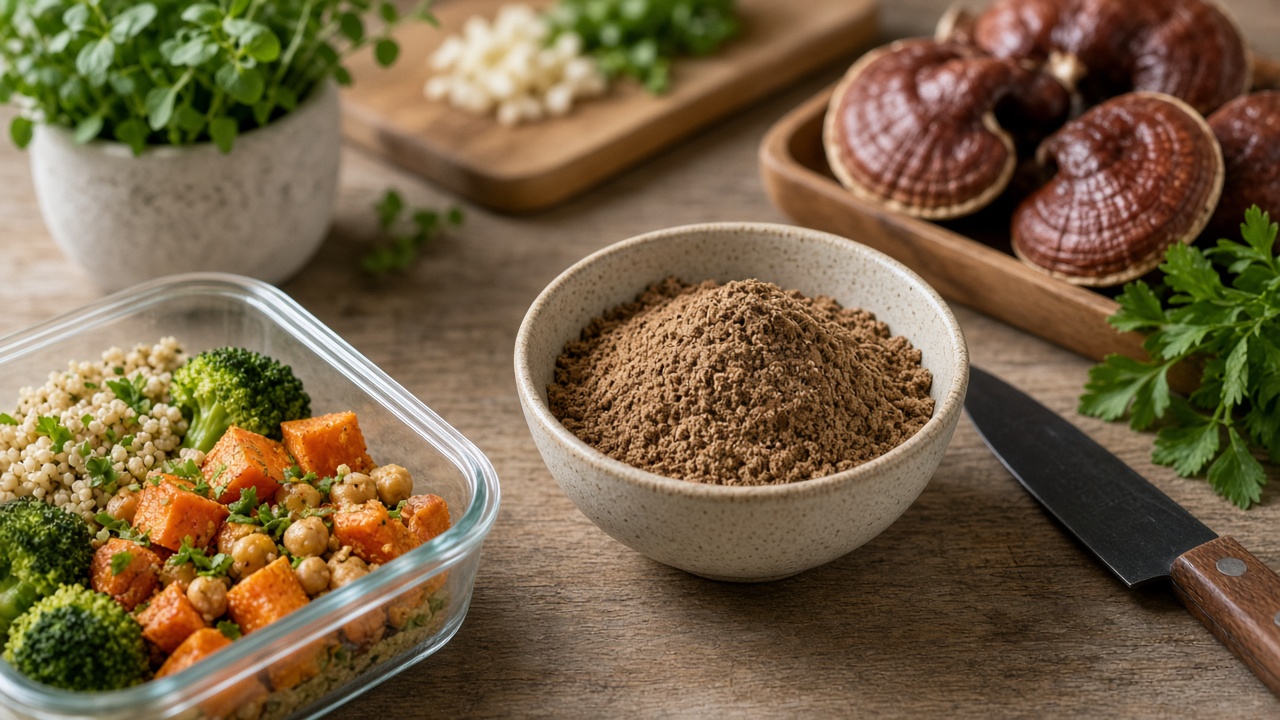
Labels that name ganoderic acids need those triterpenes measured. A polysaccharide test does not report them.
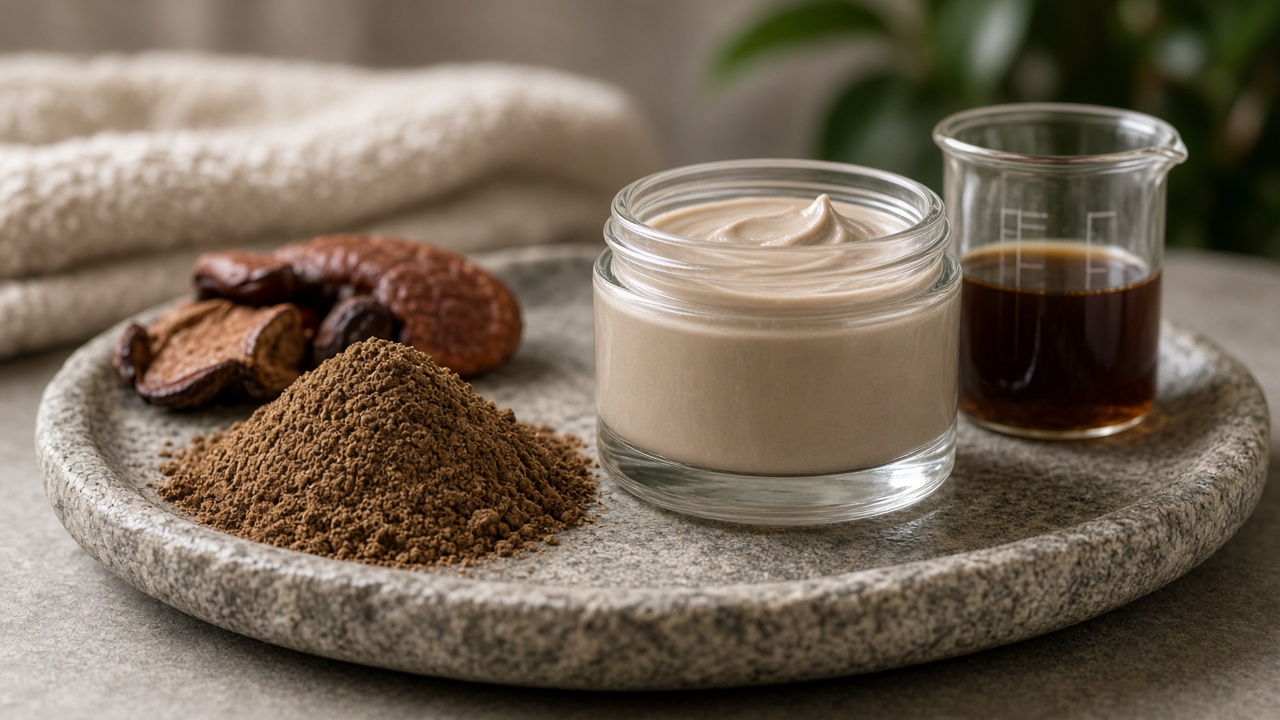
Leave-on trials can use the extract where a dark, bitter food grade is acceptable in that base.