Chaga Drinks
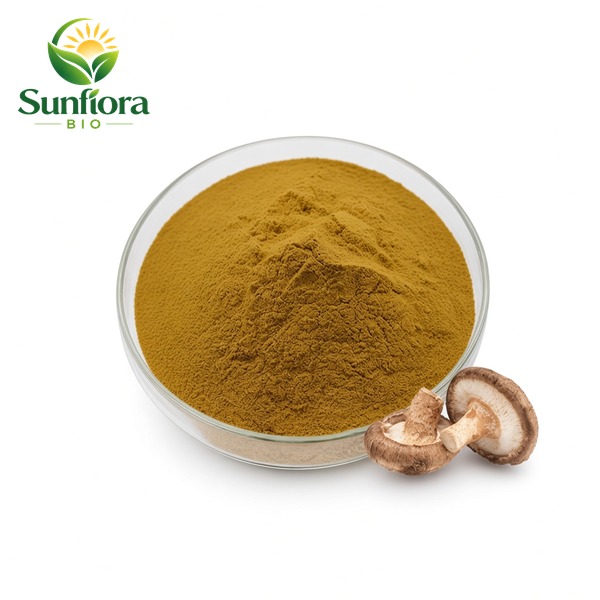
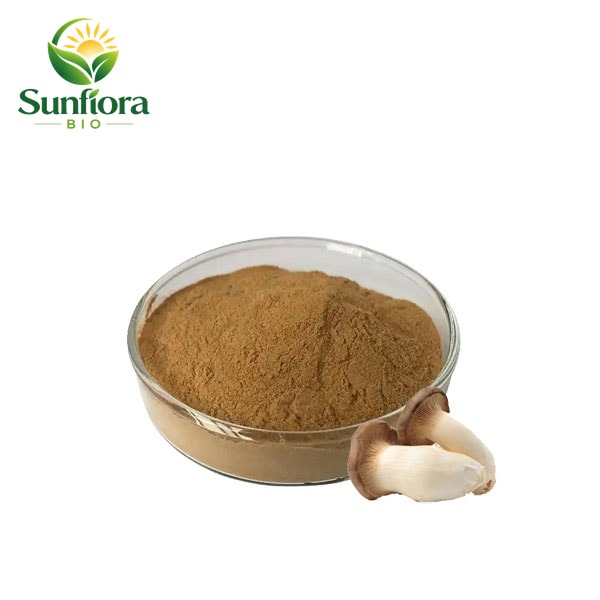
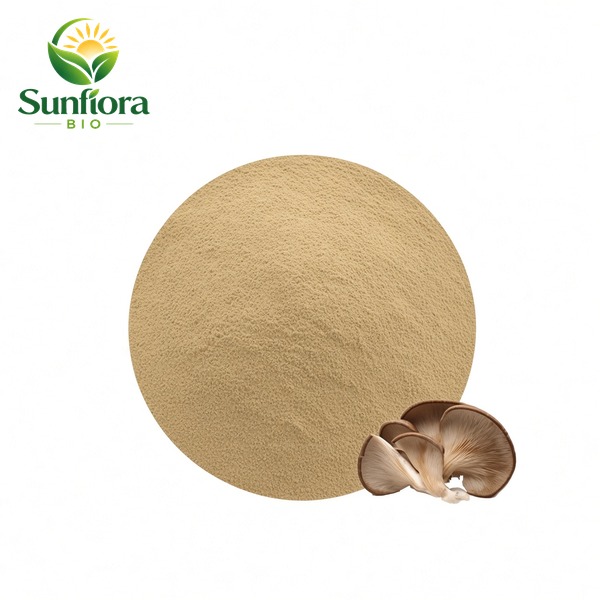
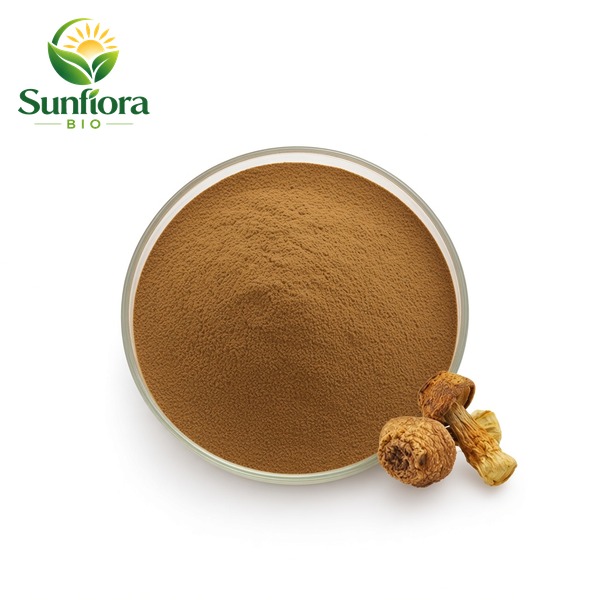
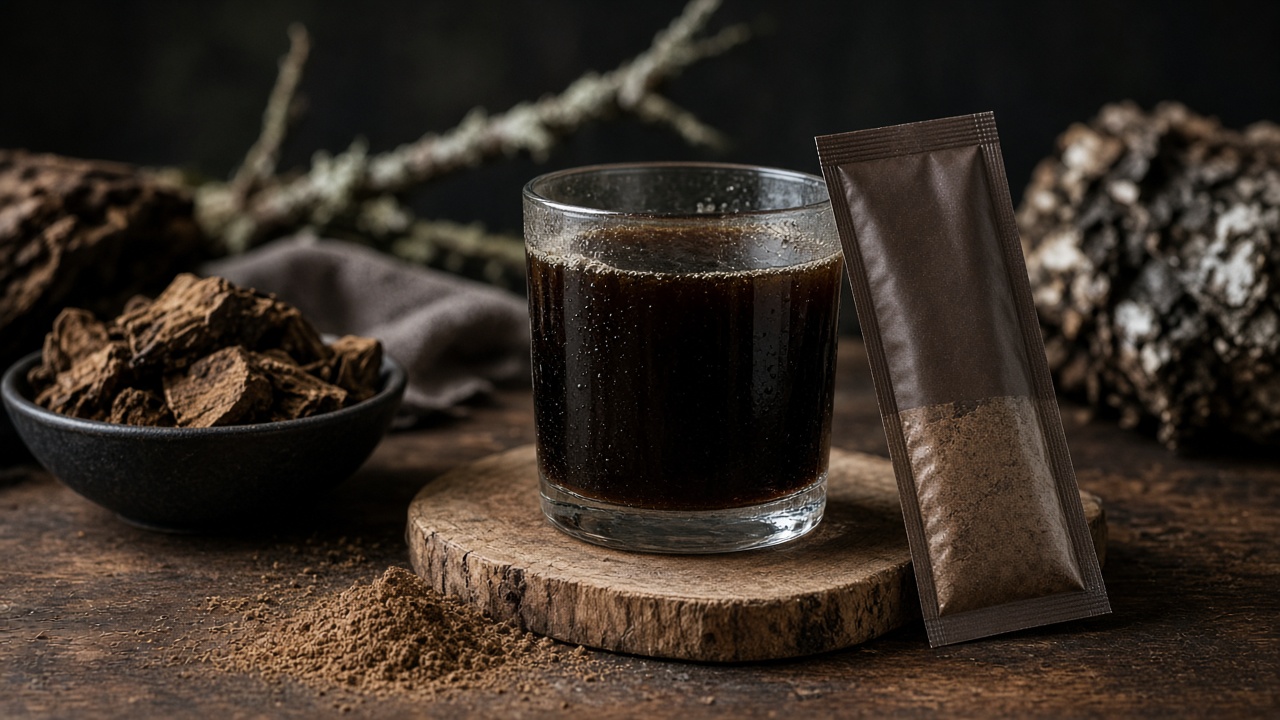
Dark infusions and stick packs take colour and the bitter wood taste of the birch conk.
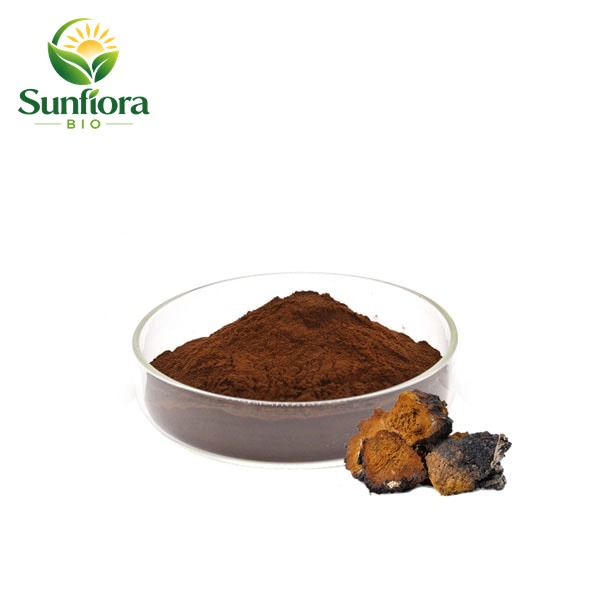
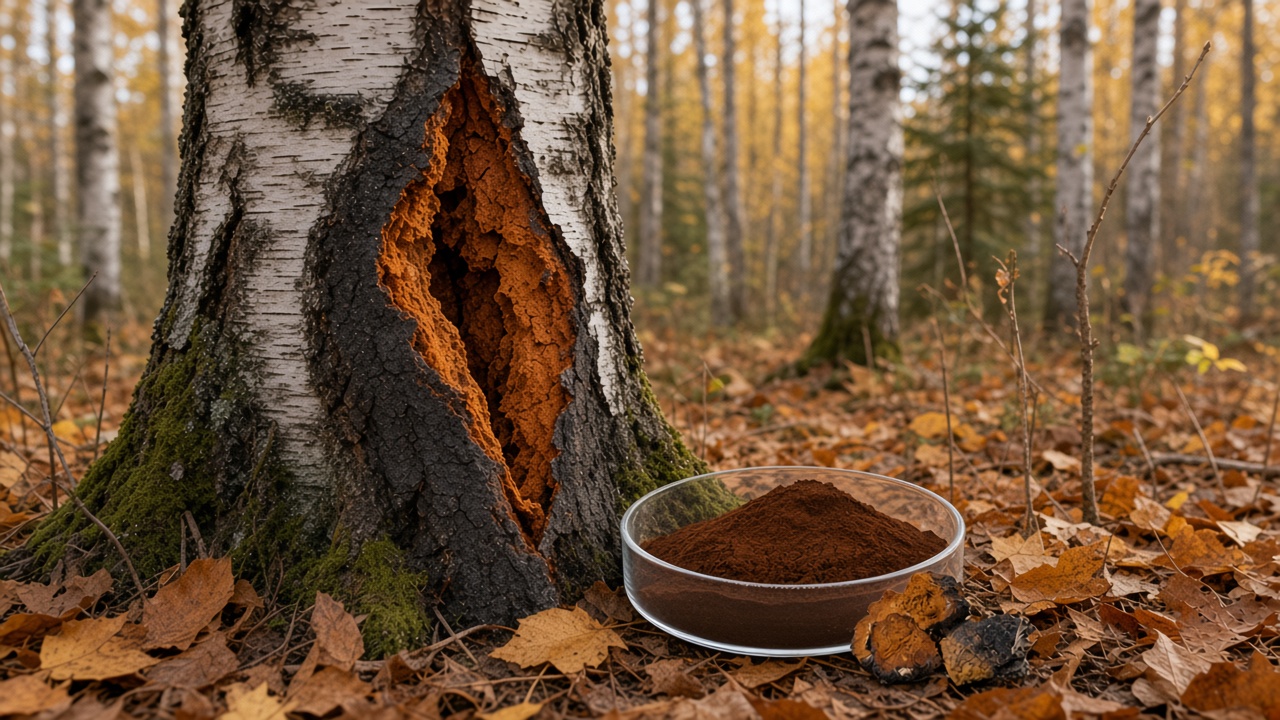
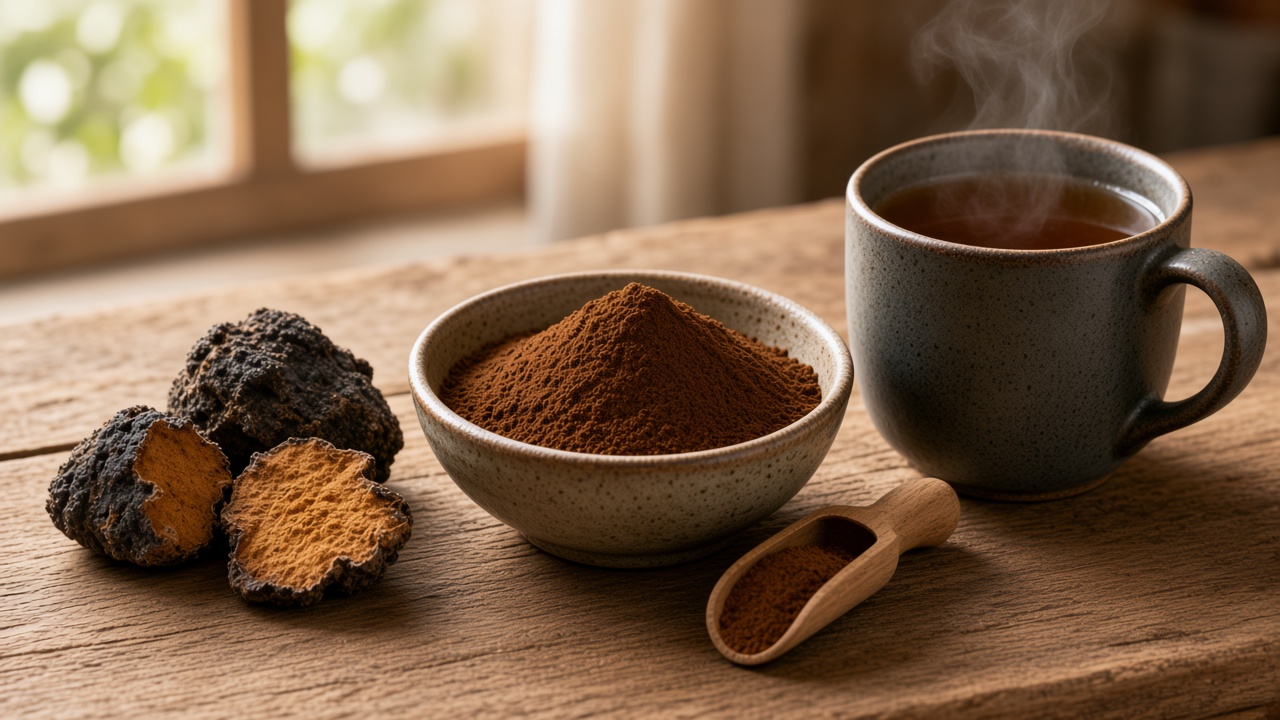
Lead, cadmium, arsenic and mercury are the first conversation on Inonotus obliquus, not the last. Wild chaga accumulates metals. A tidy polysaccharide percent does not clear that panel.
The piece buyers mean is the sterile conk on birch, even when an old sheet says fruiting body. Teas, capsules and blends all use it, as a ratio or on polysaccharides and beta-glucan. Those are different purchases. Lock the part, the assay method and the four metals before the story on the tin.
| Mushroom Source | Chaga | Latin Name | Inonotus obliquus |
|---|---|---|---|
| Part Used | Fruiting body | Appearance | Brown fine powder |
| Polysaccharides % | 10%–30% | Beta-Glucan % | 30% |
| Test Method | UV | MOQ | 1 kg |
| Extract Ratio | 5:1, 10:1 |
Dark infusions and stick packs take colour and the bitter wood taste of the birch conk.
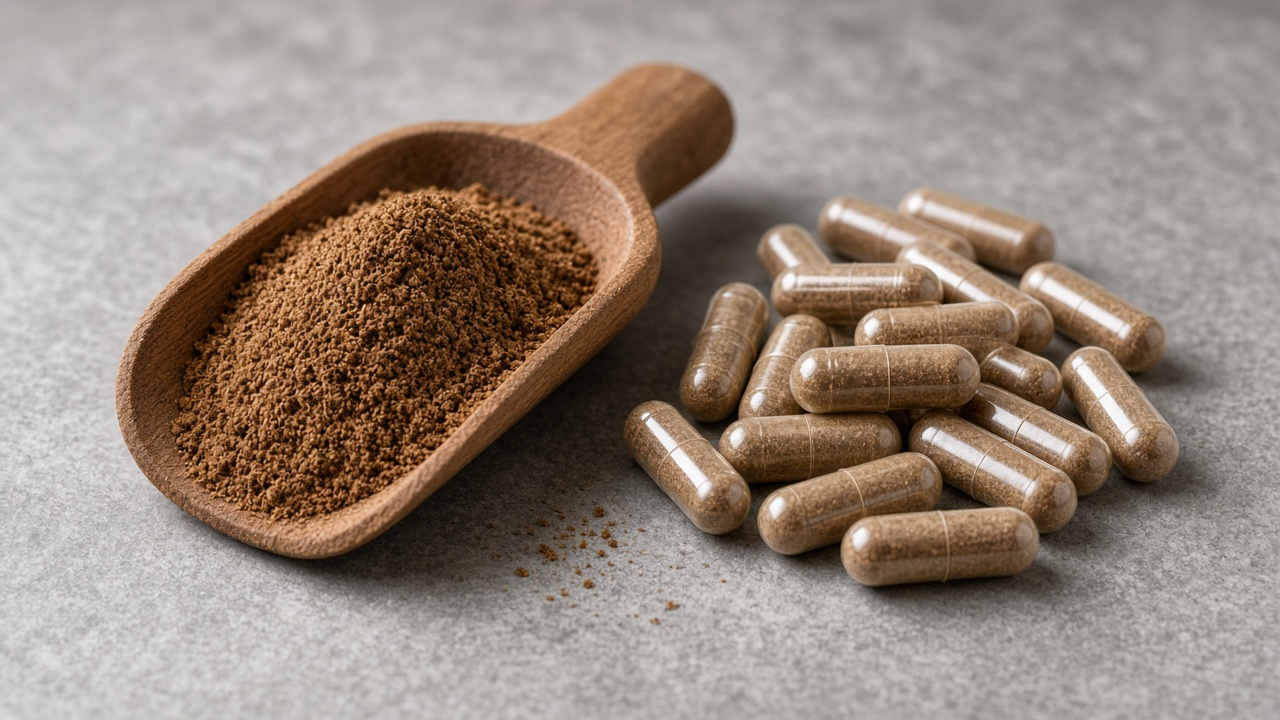
Capsules carry chaga polysaccharides or beta-glucan from that conk.
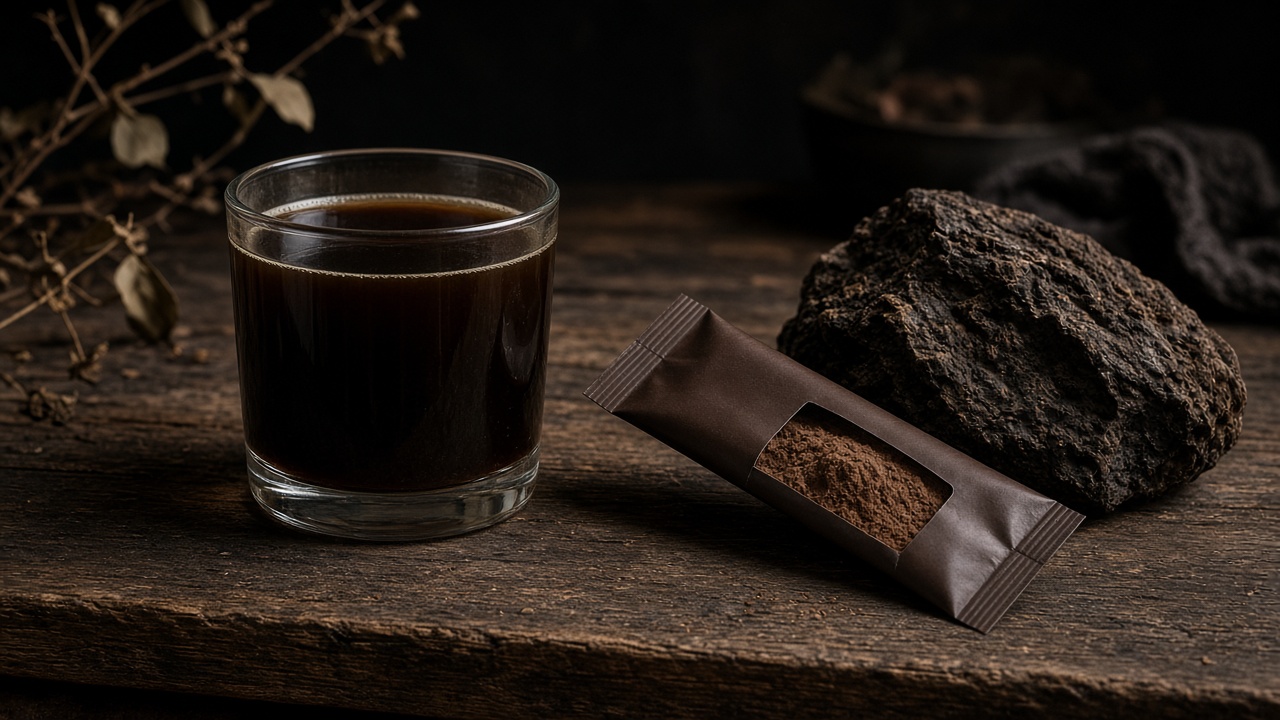
Beverages go dark. A pale drink is the wrong place for this powder.
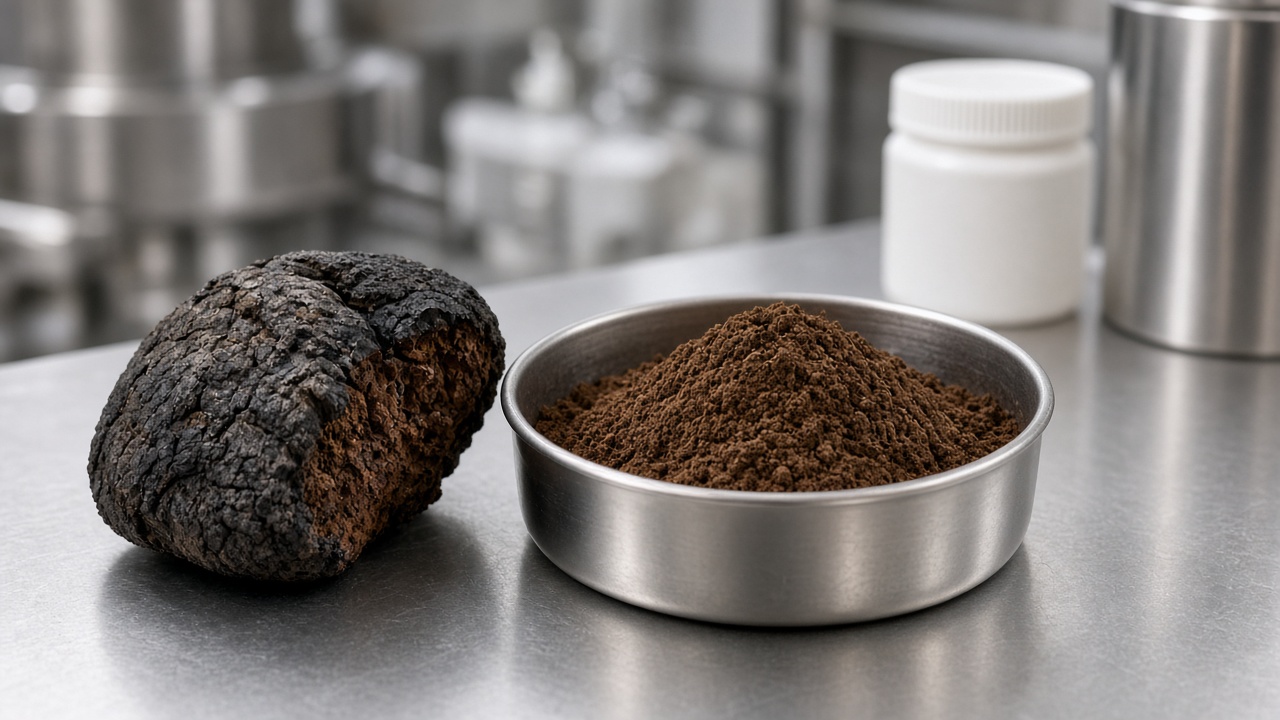
Blends name chaga for the dark colour and the conk, rather than folding it into an unnamed mushroom powder.
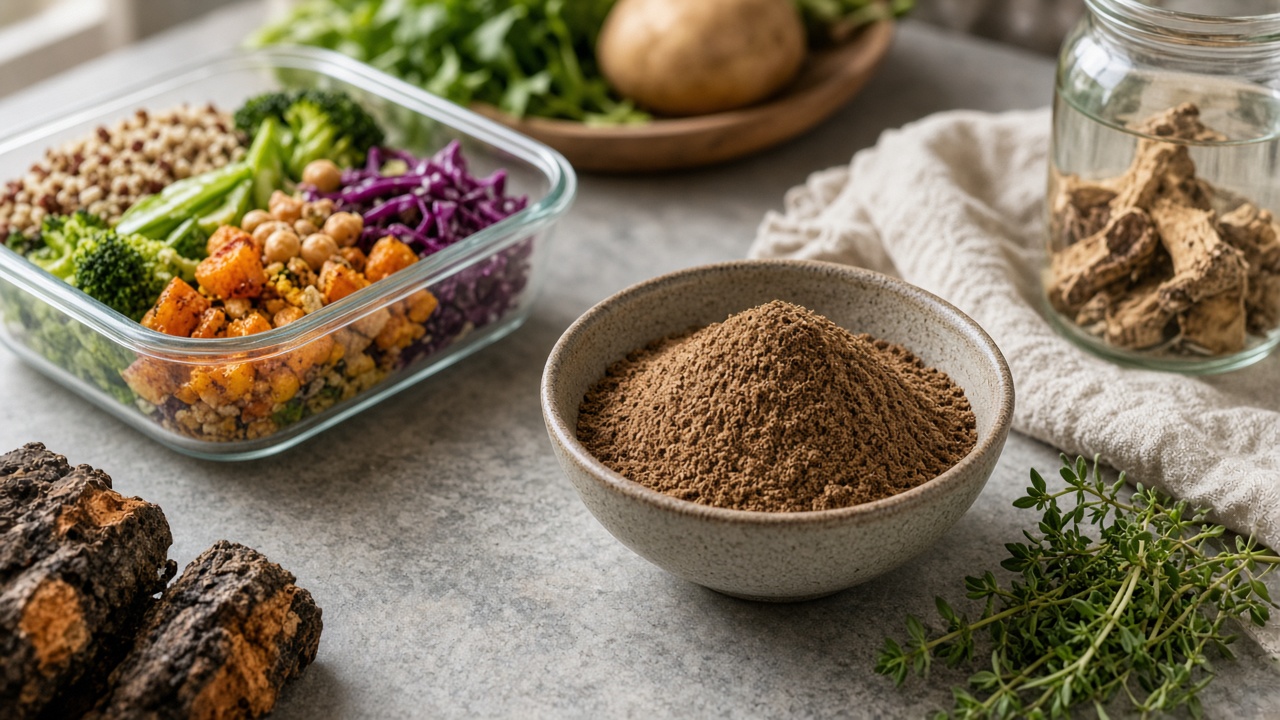
Wild chaga brings metals from the tree into the capsule or the tea, so lead, cadmium, arsenic and mercury are part of releasing the lot.