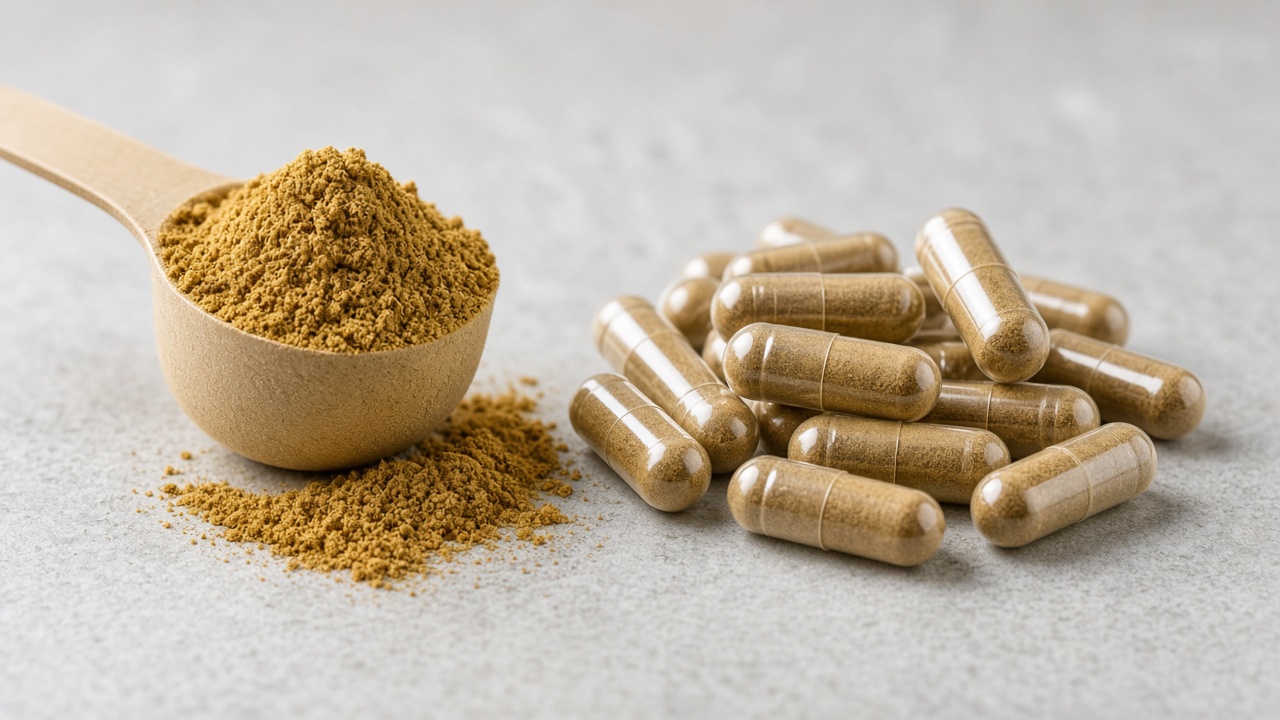
High-Value Capsules
Capsules carry fruiting-body polysaccharides from Antrodia grown on stout camphor, when the label says fruiting body.
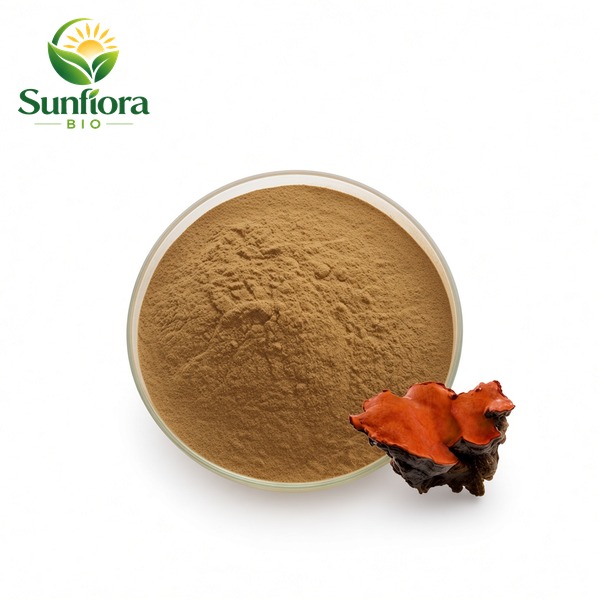
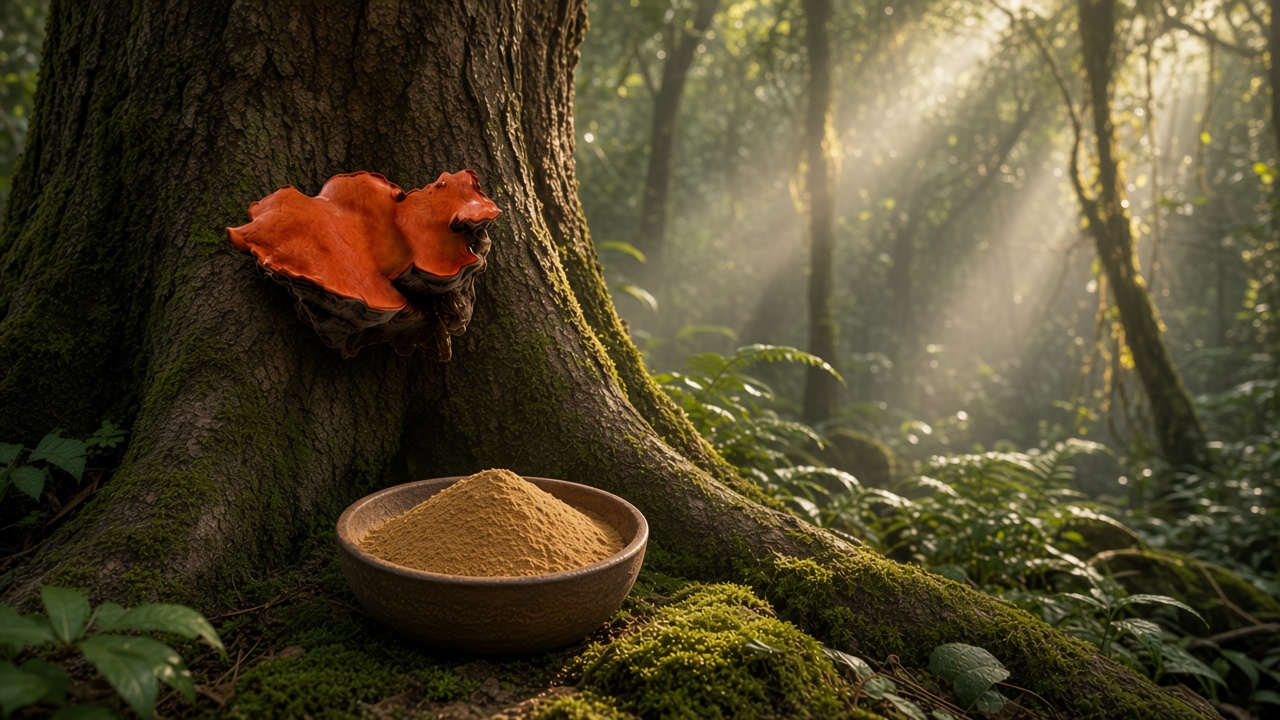
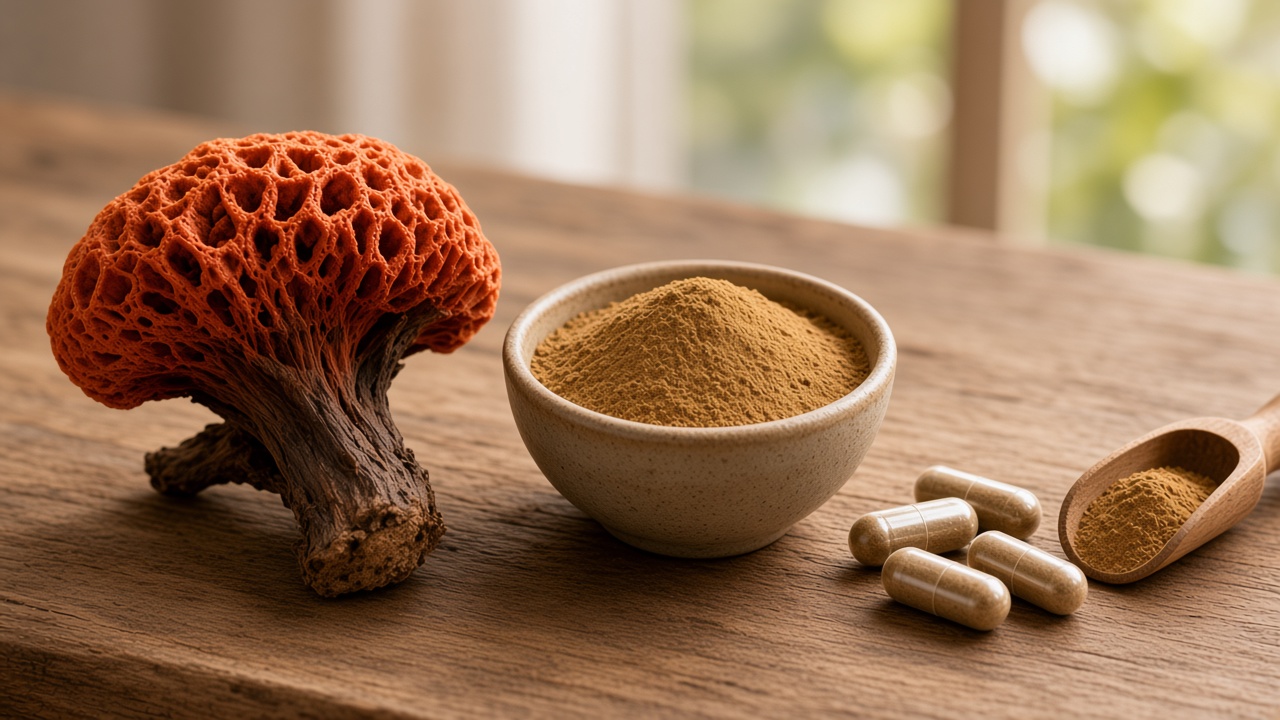
Antrodia cinnamomea is scarce because the fruiting body grows on stout camphor. Mycelium is a real product at a different price. It does not fill a fruiting-body order.
Commercial lots are about 30–50% polysaccharides, or 10:1 and 20:1 ratios. Triterpenes are a further test, not another name for the polysaccharide. Identity matters more here than on a commodity mushroom: substitutions are a known problem, and a percent alone does not prove the species.
| Mushroom Source | Antrodia | Latin Name | Antrodia cinnamomea |
|---|---|---|---|
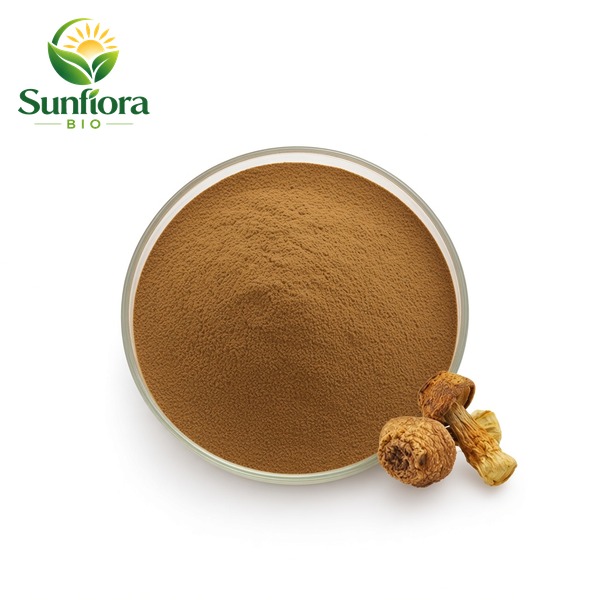
| Part Used | Fruiting body | Appearance | Brown-yellow powder |
| Polysaccharides % | 30%–50% | Test Method | UV/TLC |
| MOQ | 1 kg | Extract Ratio | 10:1, 20:1 |
Capsules carry fruiting-body polysaccharides from Antrodia grown on stout camphor, when the label says fruiting body.
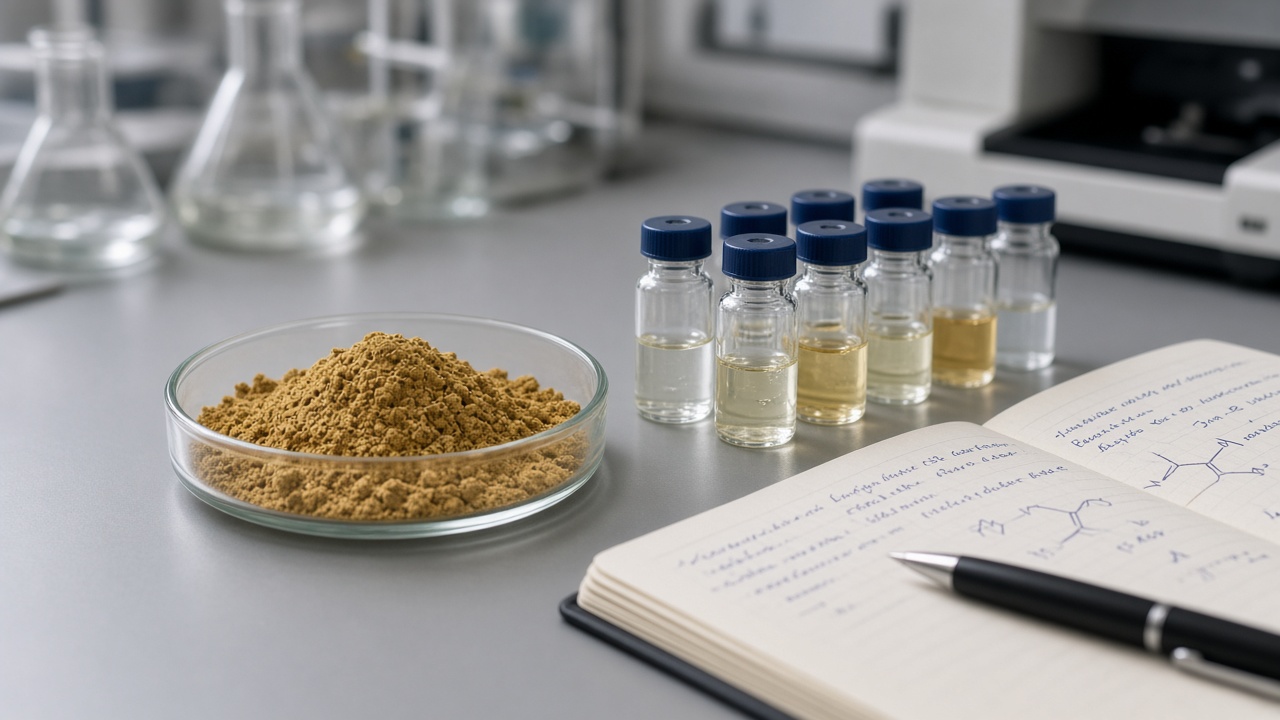
Mycelium formulas use cultured Antrodia at its own price. That powder does not fill a fruiting-body capsule.
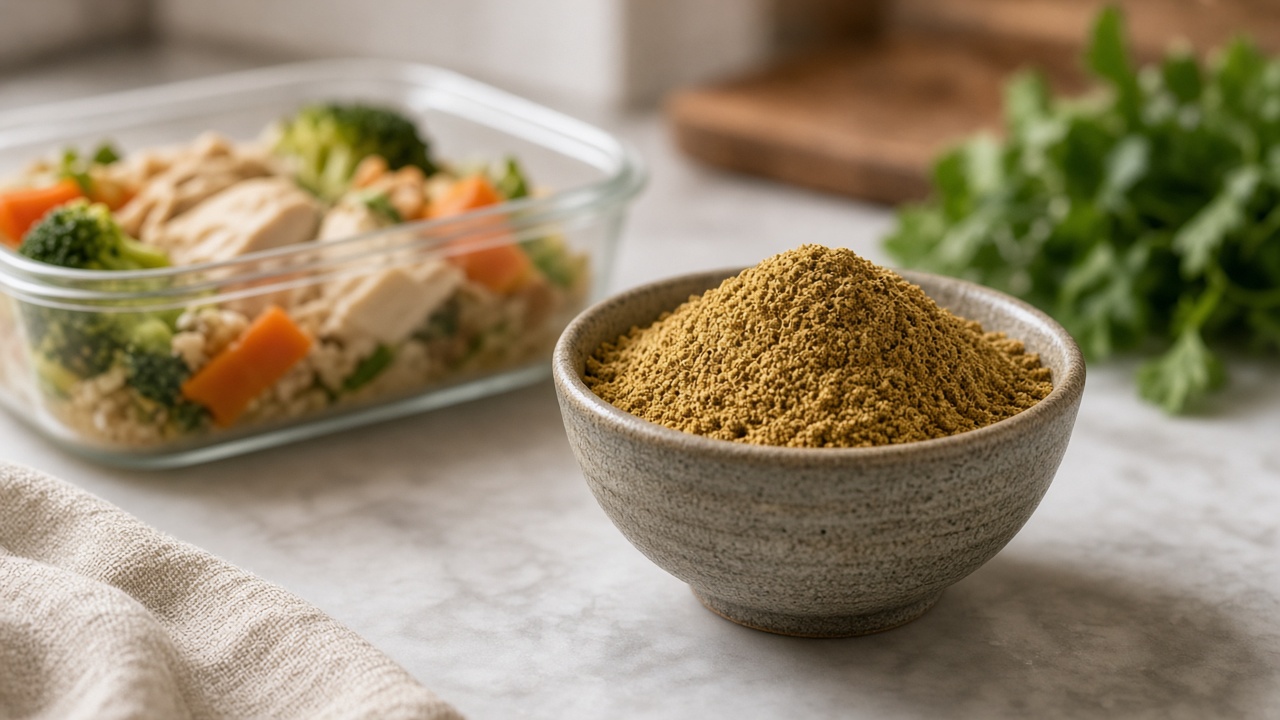
The species has to be Antrodia cinnamomea. A polysaccharide percent from another wood fungus will not do this job.
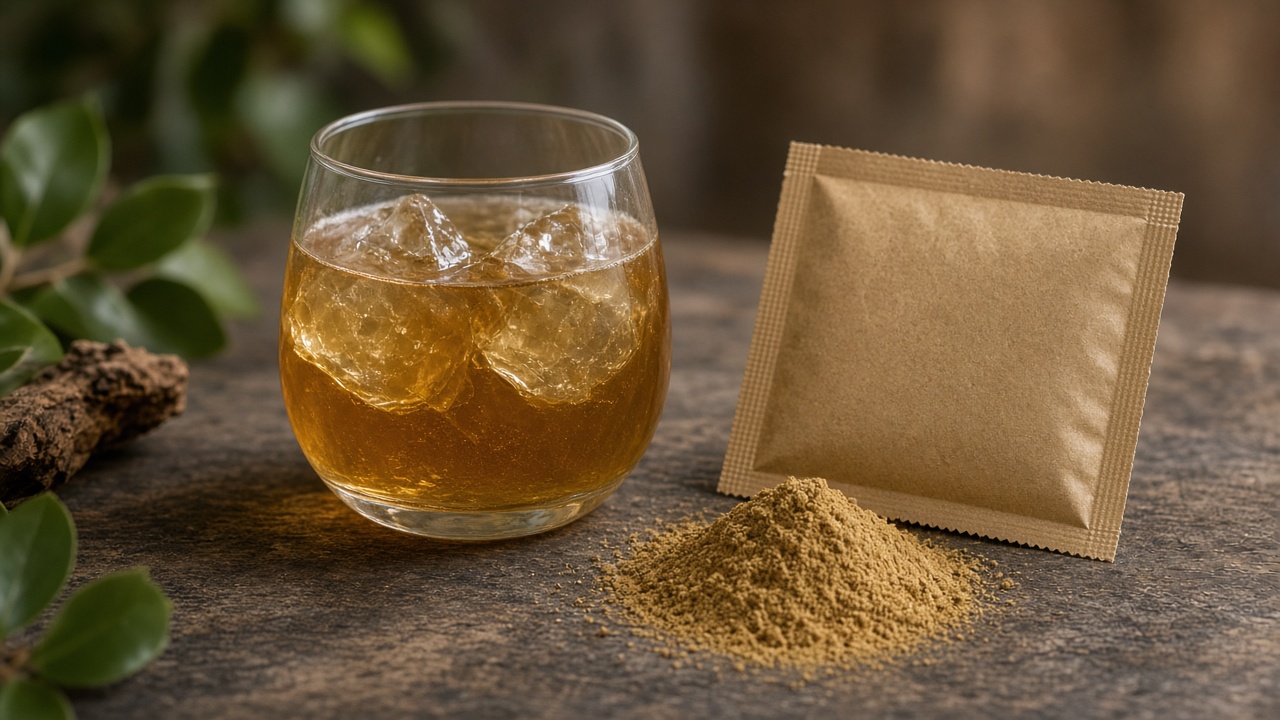
A low dose can go into a drink. Colour and bitterness come with it.