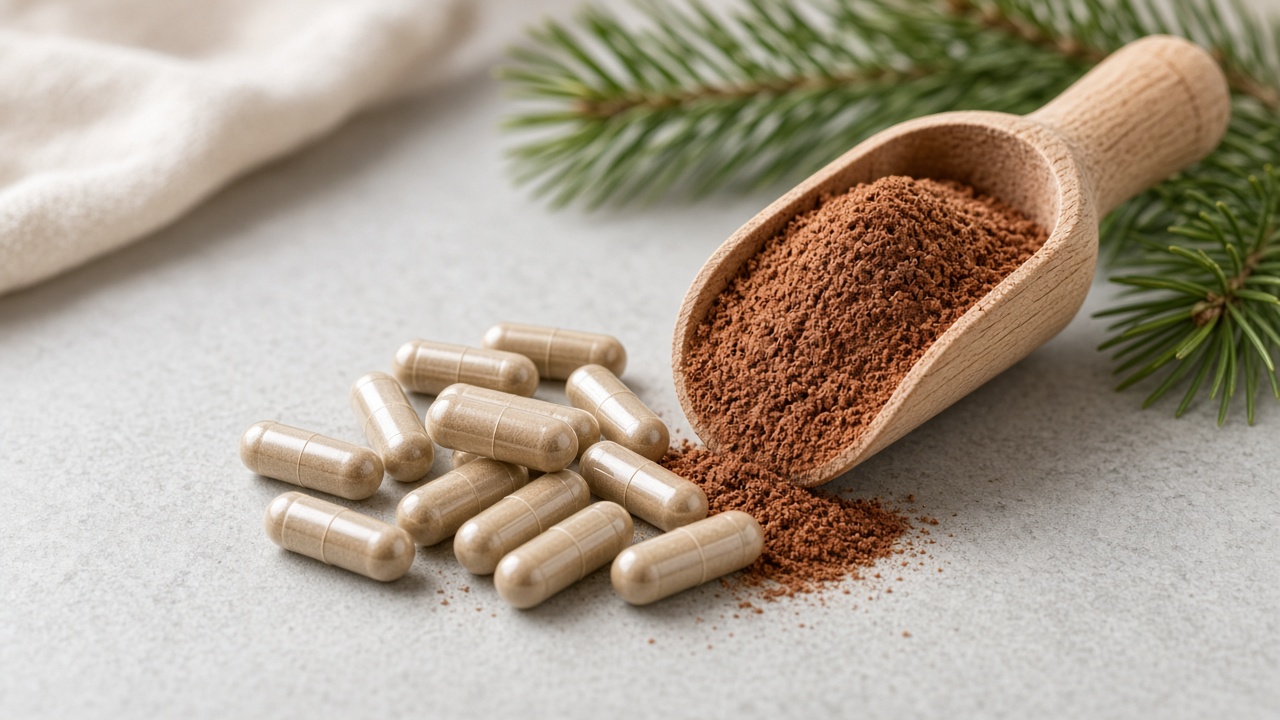
Antioxidant Capsules
OPC percent is the buying number. Do not swap in grape seed on a pine spec.
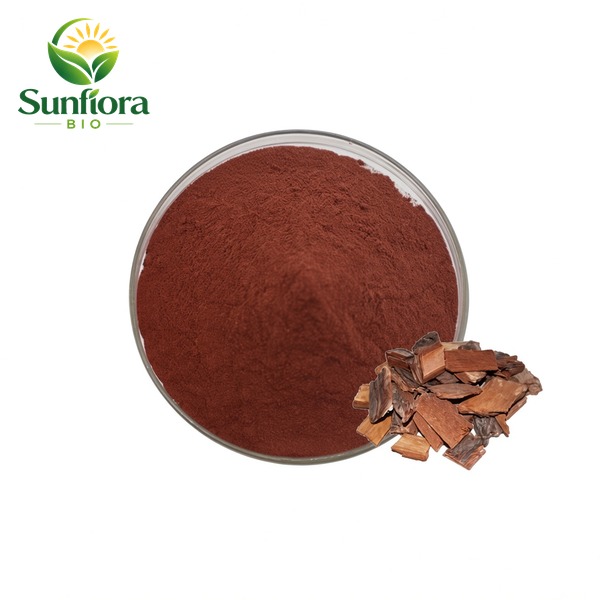
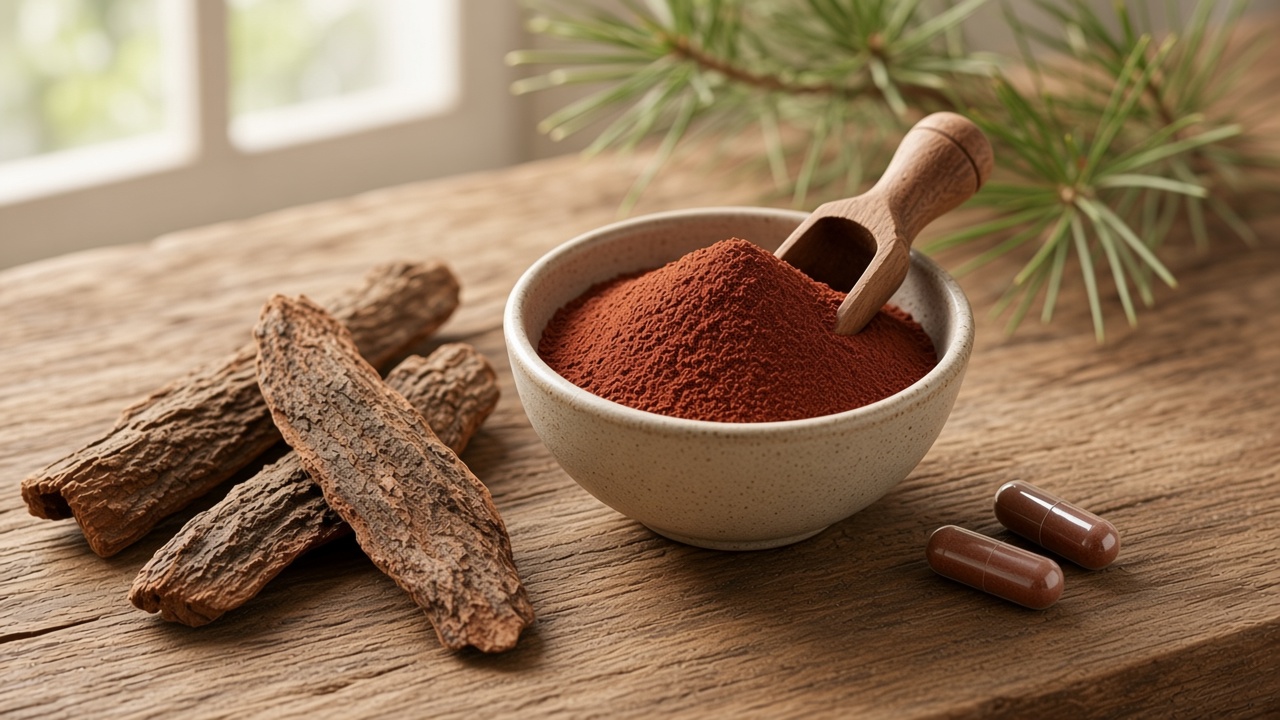
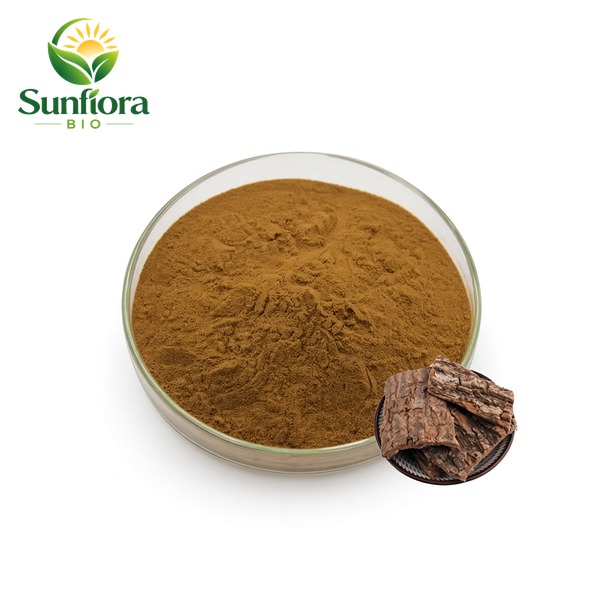
Pine bark extract is rich in oligomeric proanthocyanidins (OPCs). A common release pair is about 95% proanthocyanidins and 90% polyphenols, from maritime pine bark.
It is used in cardiovascular and skin-health capsules, and in some cosmetic antioxidant systems. It is not the same as grape-seed OPC even when the percents look alike.
When buying, name the species (usually Pinus pinaster bark) and the OPC method.
| Product Name | Pine Bark Extract Powder | Botanical Name | Pine bark; species not stated in specification table |
|---|---|---|---|
| Specification | 95% Proanthocyanidins, 90% Polyphenol | Appearance | Red Brown Powder |
| Test Method | HPLC | MOQ | 1 kg |
| Active Ingredient | Proanthocyanidins, Polyphenol | Shelf Life | 2 years |
| Botanical Source | Pine bark; species not stated in specification table | Use Part | Pine Bark |
| Active Ingredients | Proanthocyanidins, Polyphenol | CAS No. | 133248-87-0 |
| Grade | Food Grade | COA | Available |
| Certificate | ISO 22000, FDA, BRC, IFS, SGS, Kosher, Halal, Organic (EU), USDA, HACCP, ISO 9001 | Quality | Non-GMO, Non-irradiation, Allergen Free, BSE/TSE Free |
| Sample | 10-50 g sample for evaluation | OEM Service | Private labeling, customized packaging, capsules and tablets |
| Packaging | 1-5 kg / 25 kg (aluminum foil bag / fiber drum) |
OPC percent is the buying number. Do not swap in grape seed on a pine spec.
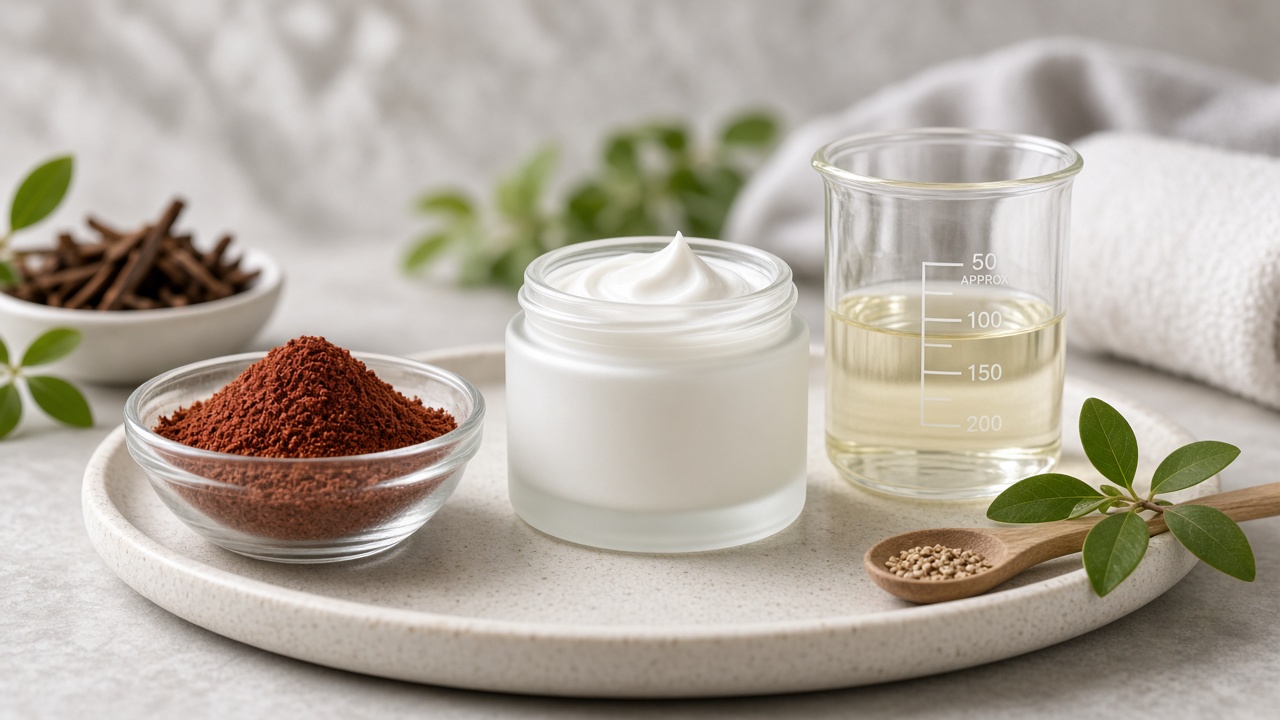
Water-dispersible grades only. Colour will tint a white cream.
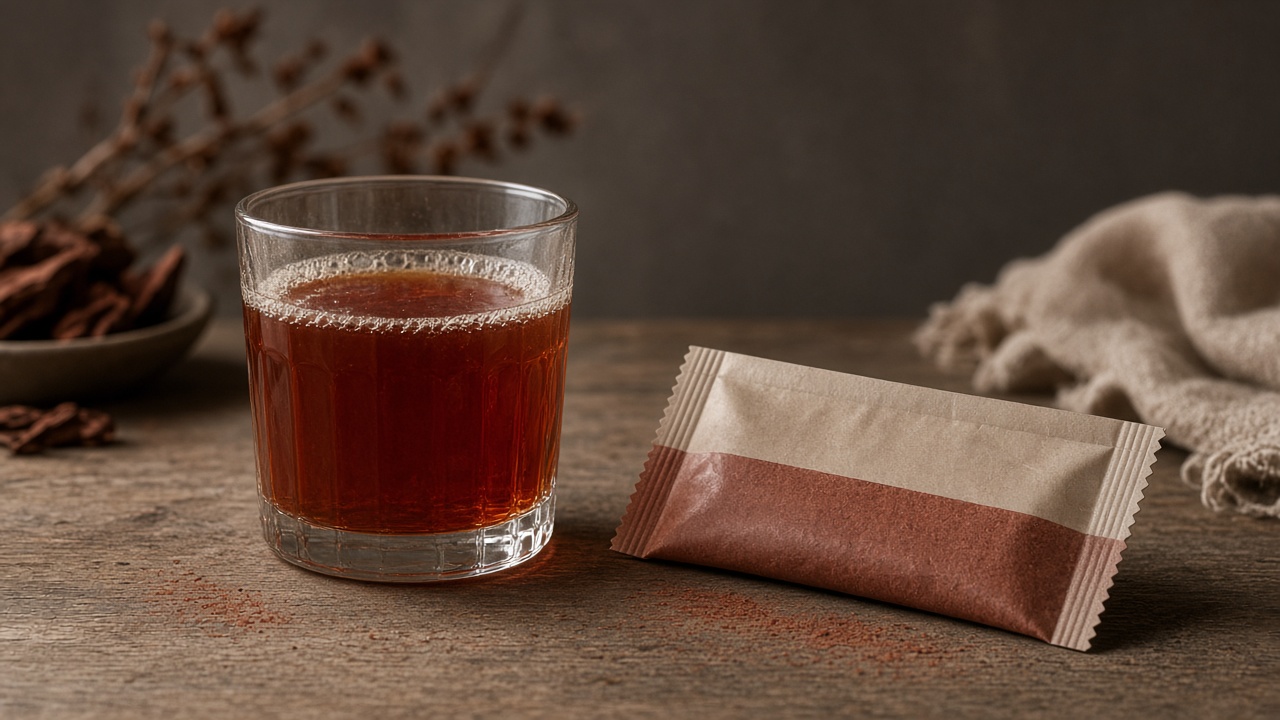
Astringent. Dose low and taste it.
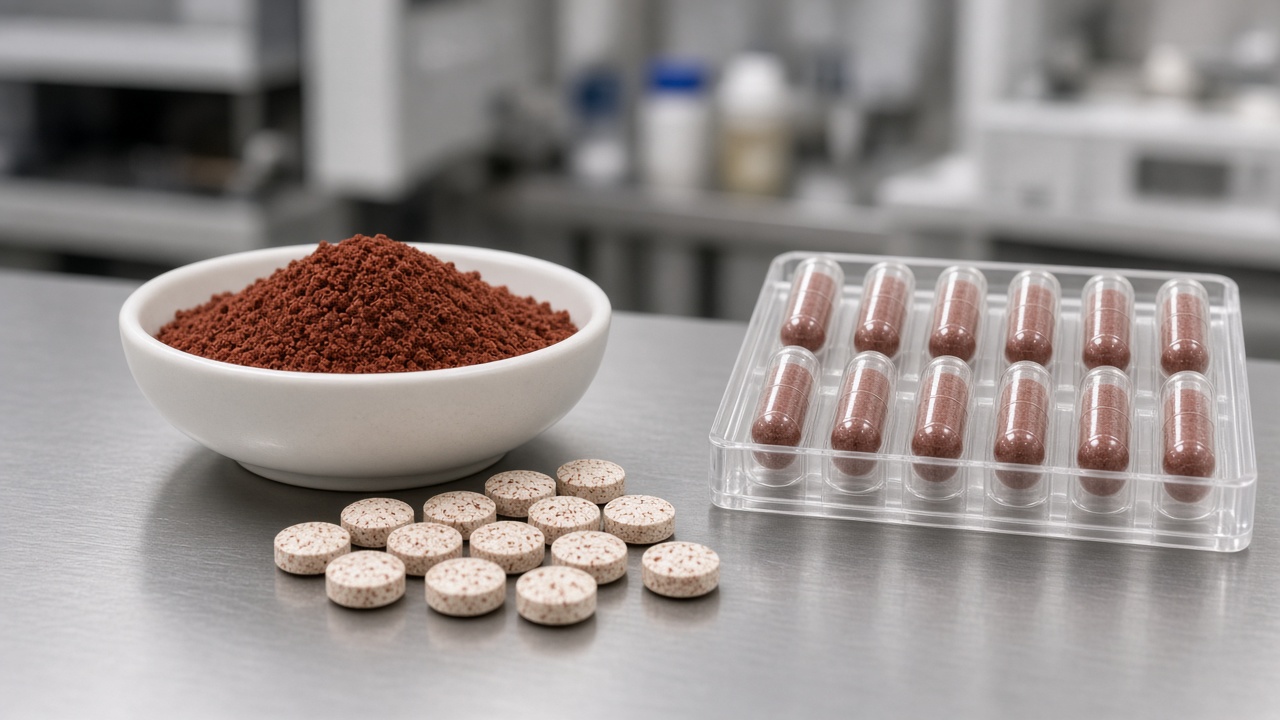
OPC percent is unchanged by the dosage form. Colour still shows in a white tablet.
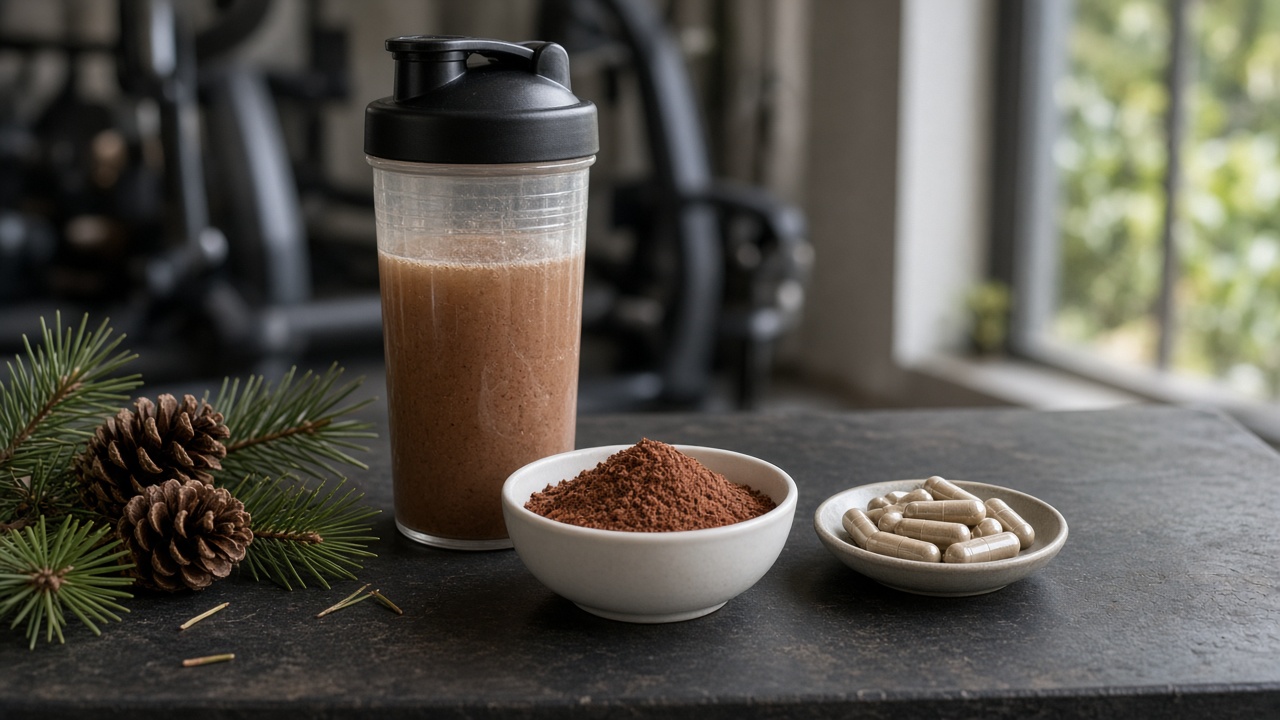
Keep the pine identity. Grape seed is a different OPC.
OPC colour will show. Use it where a tint is acceptable.
Pinus pinaster bark is the usual identity. Ask the COA to say so.