High-Assay Capsules
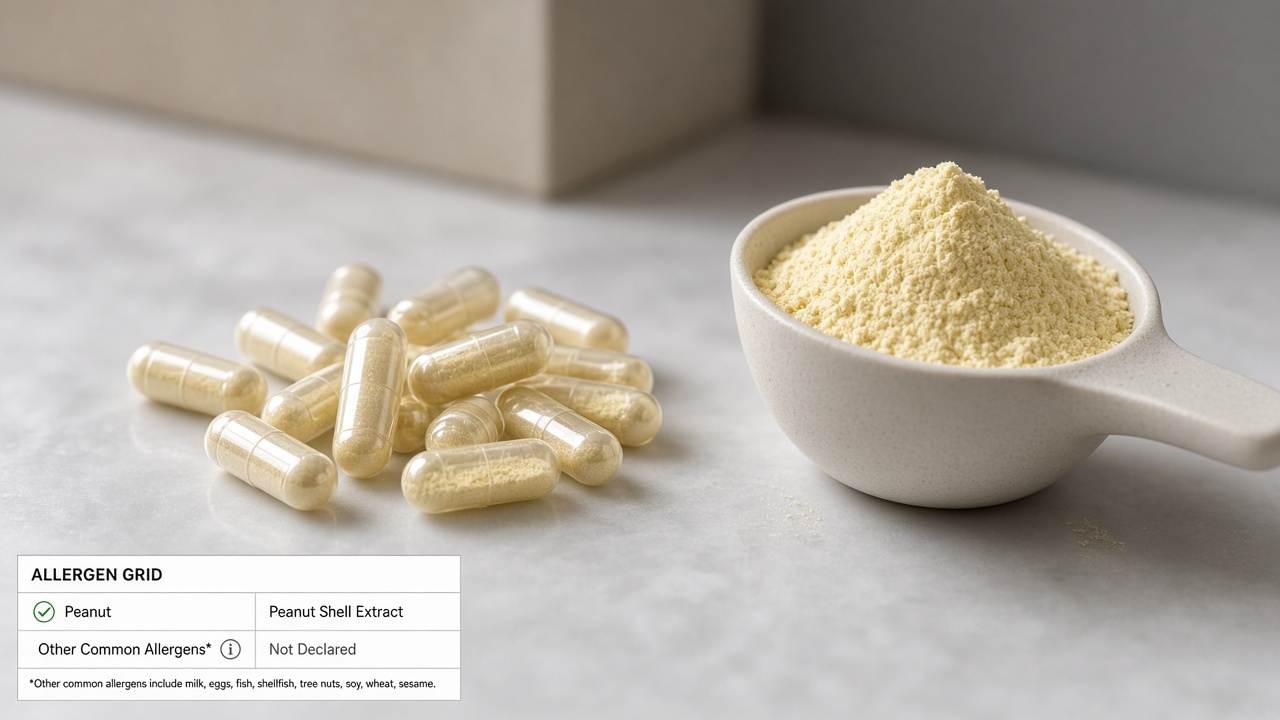
Small fills. Declare peanut origin on the allergen grid.
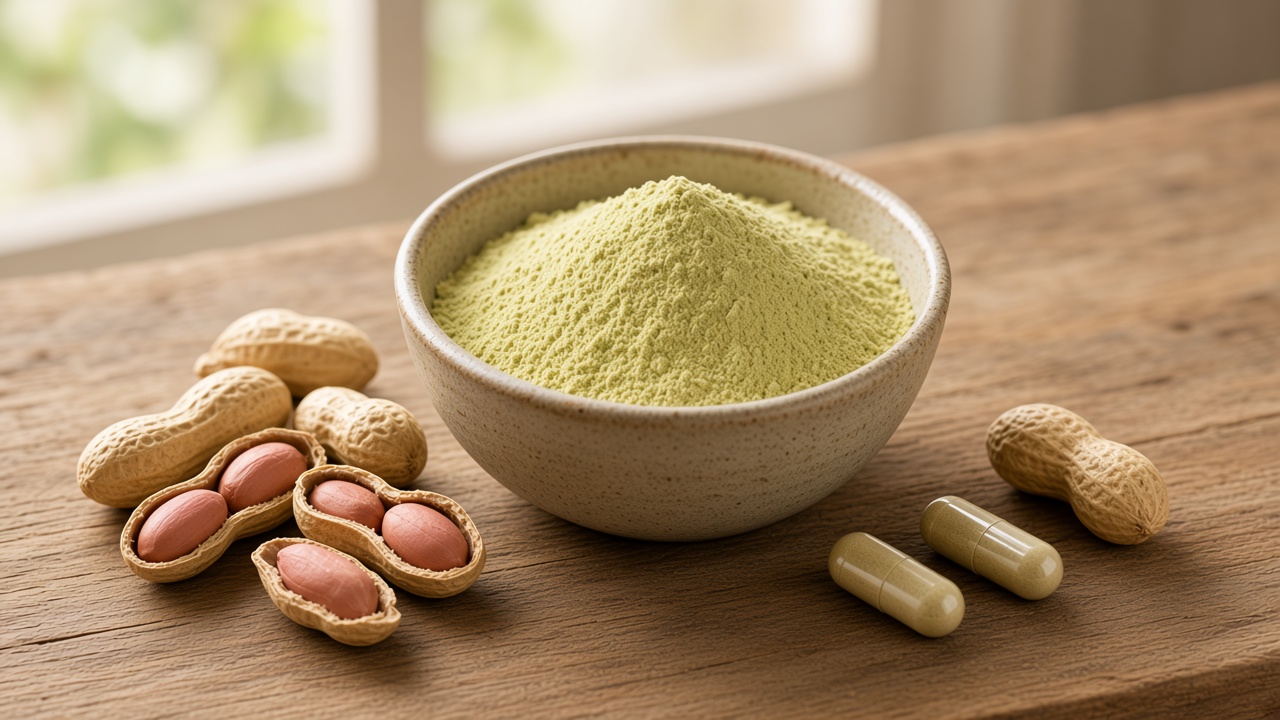
This luteolin is extracted from peanut shell, typically 98%. Luteolin also comes from sophora flower; the source is part of the spec because allergens and the impurity profile change.
It is a flavone used in capsules and as a high-purity reference. Peanut origin means an allergen statement, even at 98% assay.
When buying, write “peanut shell” and ask for a residual-protein or allergen note if the finished goods are allergen-labelled.
| Product Name | Peanut Shell Extract Luteolin Powder | Botanical Name | Arachis hypogaea |
|---|---|---|---|
| Part Used | Shell | Specification | 98% |
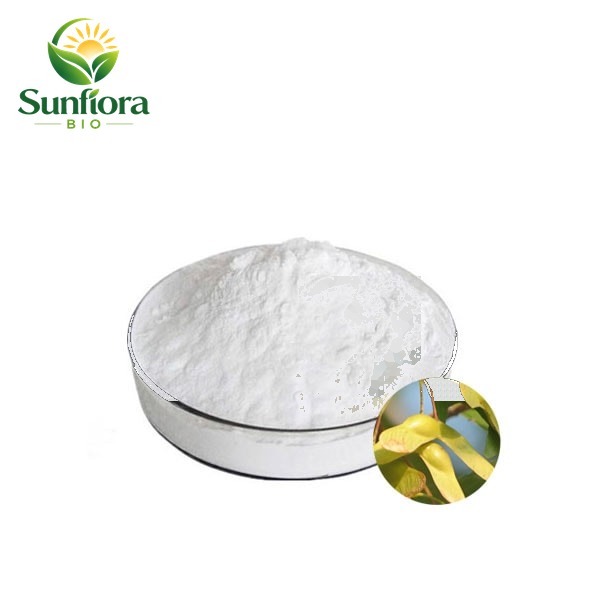
| Appearance | Light Yellow Powder | Test Method | HPLC |
| MOQ | 1 kg | Active Ingredient | Luteolin |
| Shelf Life | 2 years | Extraction Part | Shell |
| CAS No. | 491-70-3 | Packaging | 1-5 kg / 25 kg (aluminum foil bag, carton, or cardboard drum) |
| COA | Available | Certificate | ISO 22000, FDA, BRC, IFS, SGS, Kosher, Halal, Organic (EU), USDA, HACCP, ISO 9001 |
| Quality | Non-GMO, Non-irradiation, Allergen Free, BSE/TSE Free | Sample | 10-50 g sample for evaluation |
| OEM Service | Private labeling, customized packaging, capsules and tablets |
Small fills. Declare peanut origin on the allergen grid.
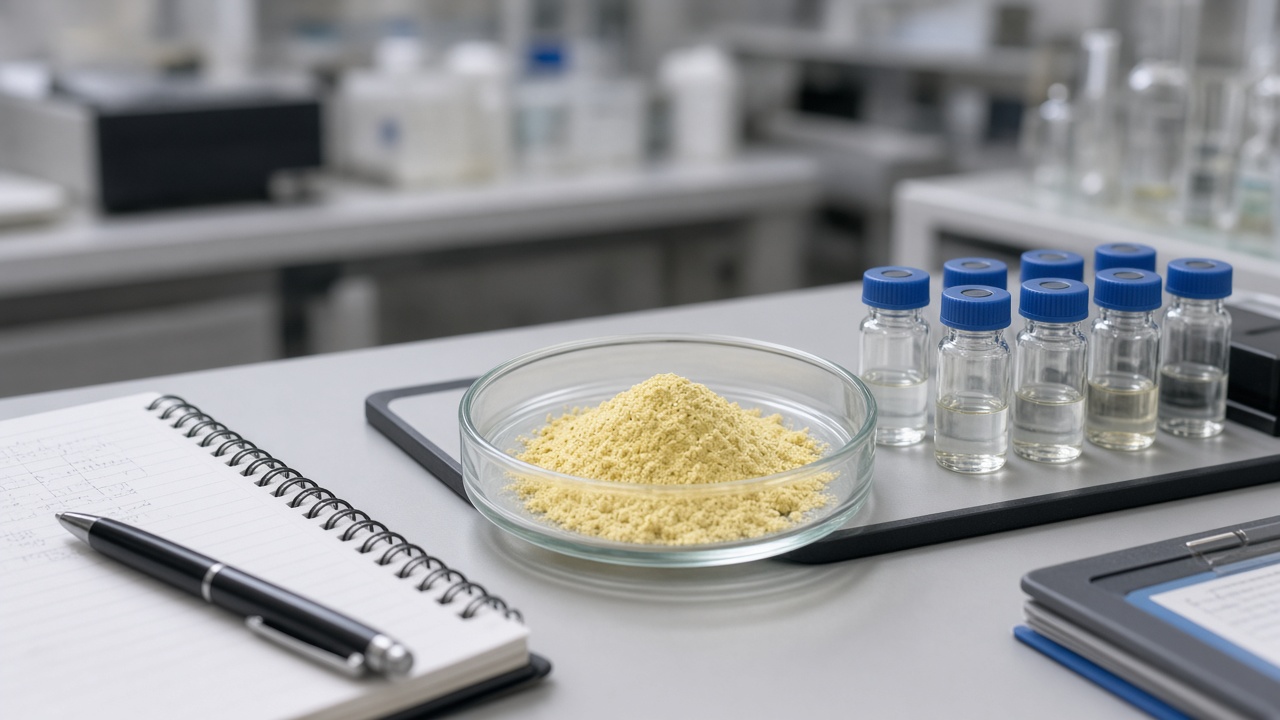
98% luteolin for identity work. Do not swap a sophora grade without checking impurities.
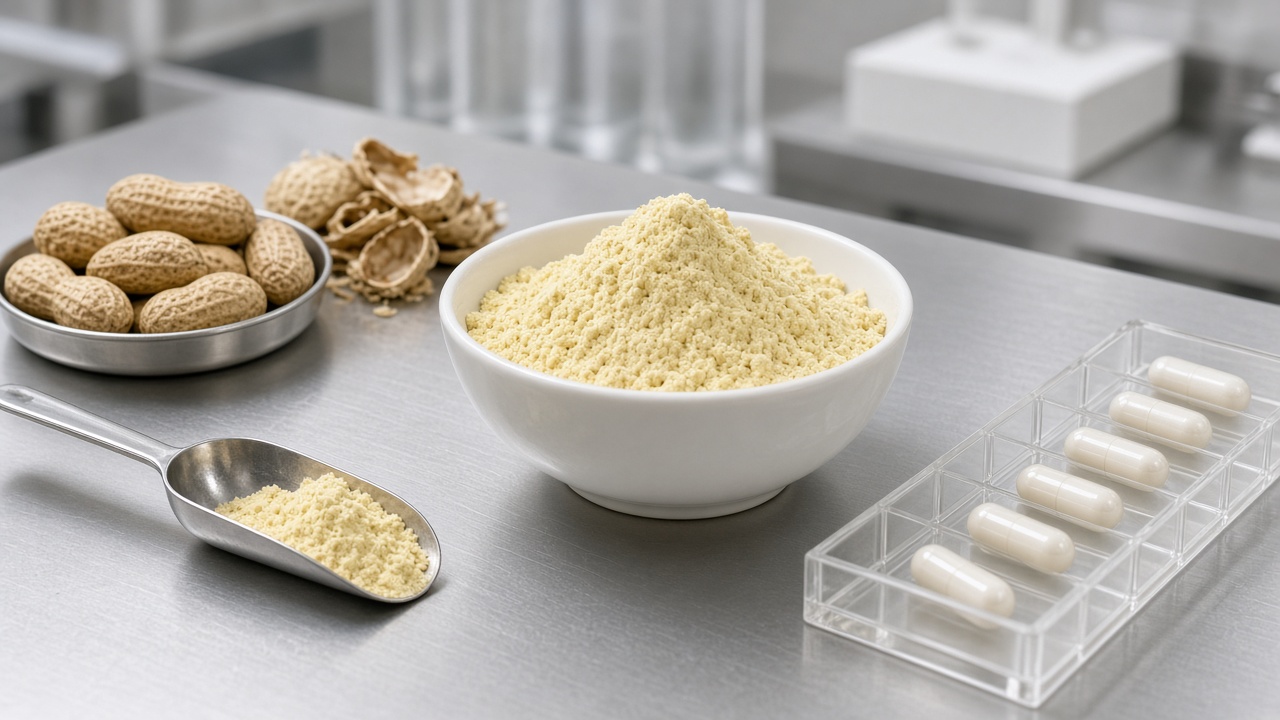
Only where peanut is already declared or the customer accepts the source.
Peanut origin has to be acceptable before any topical or oral brief.
The shell is the source of the isolate, not a food ingredient you brew.