Cholesterol-Claim Cereals
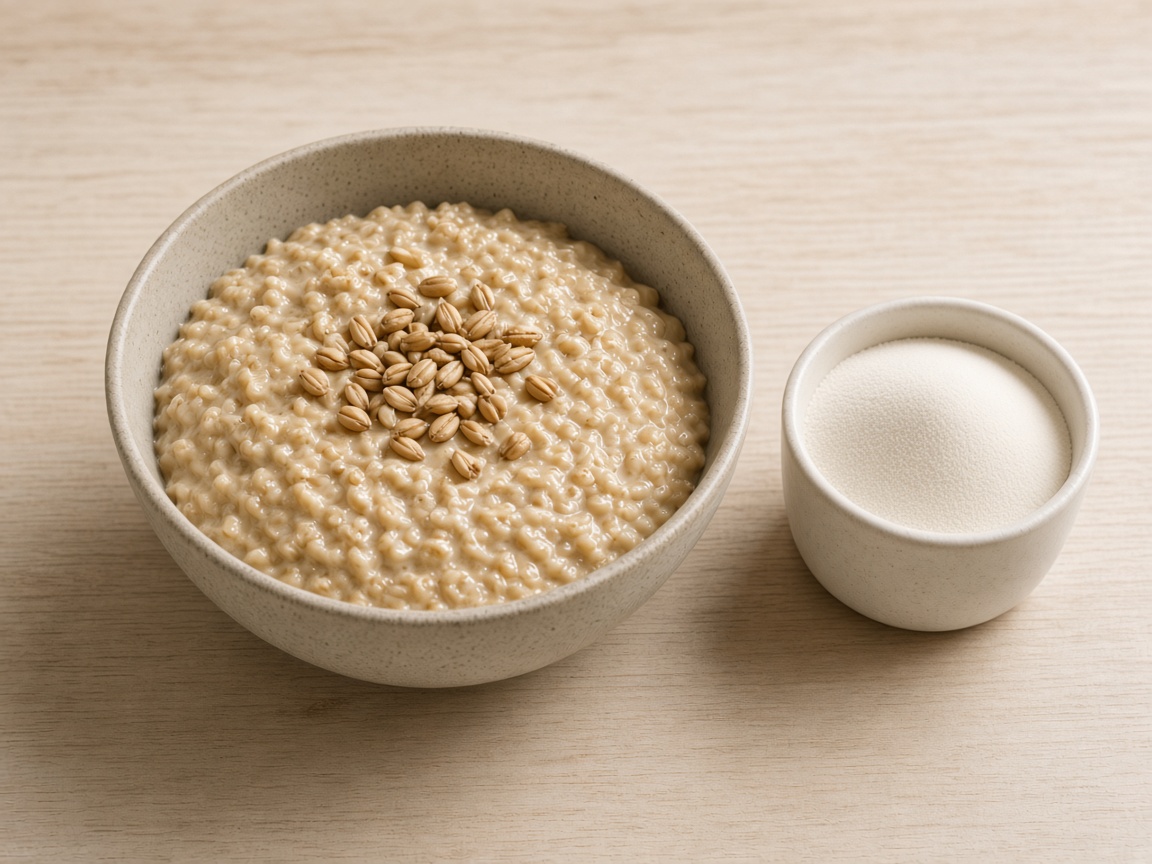
Porridge, cereals and bars for the ~3 g/day cholesterol claim. Concentrated dose without whole oats; pick a grade that survives your process.
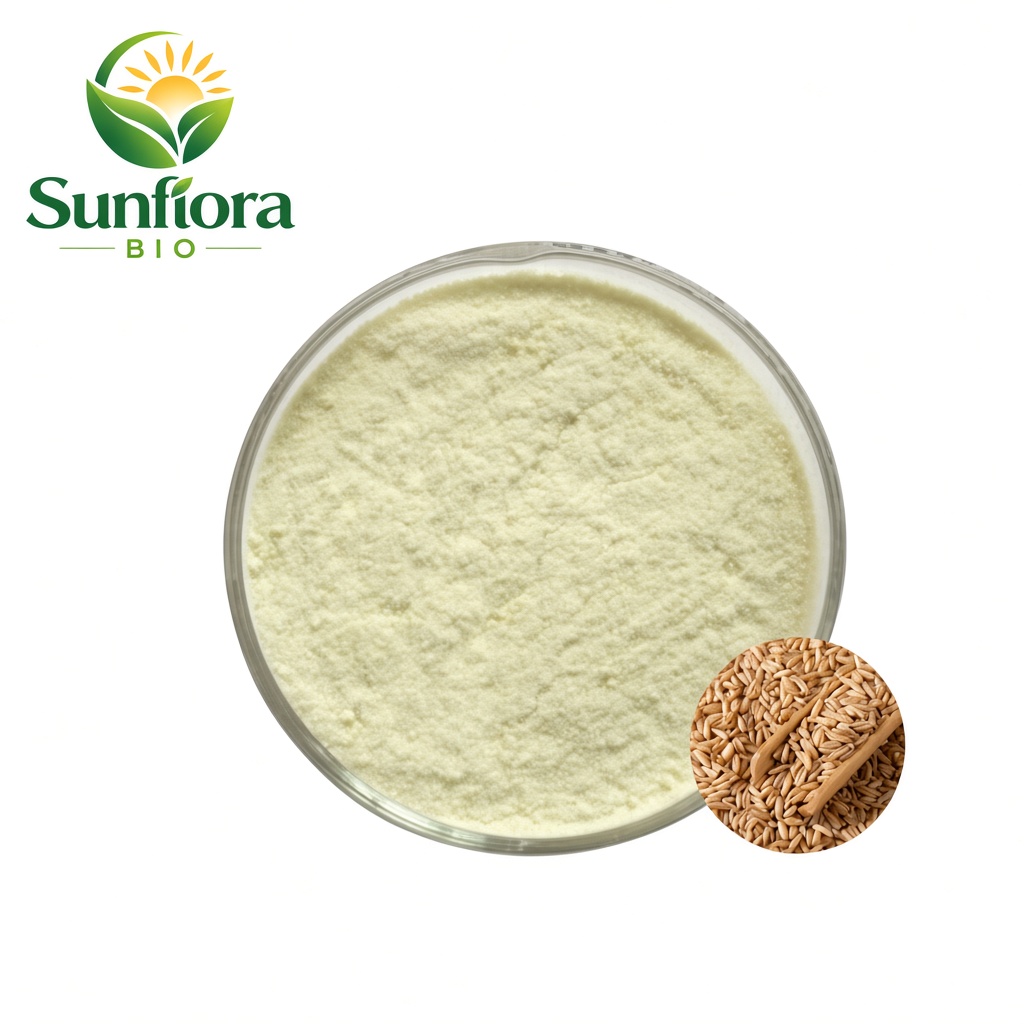
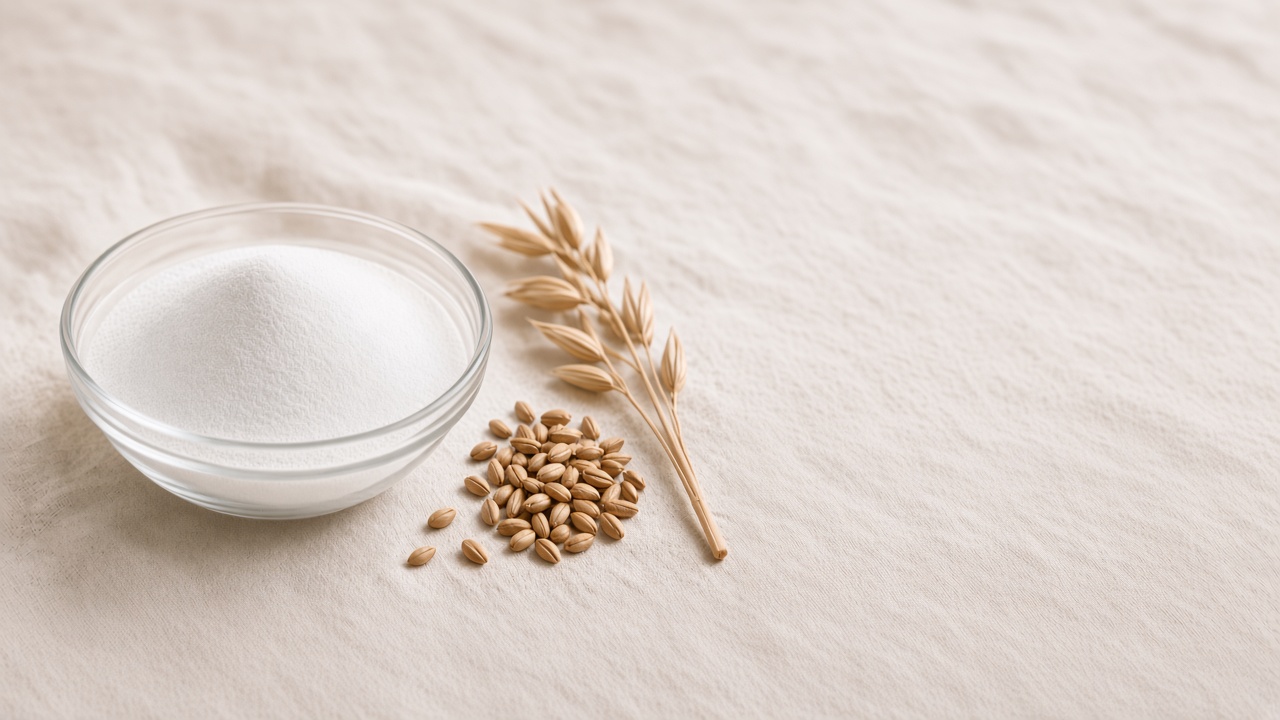
Oat beta-glucan is the soluble fibre from the cell walls of oat grain (Avena sativa). Supplied as a concentrated powder, it is not milled oat flour and not yeast beta-glucan — those are different materials with different claims.
In water it hydrates and thickens. That viscosity supports LDL cholesterol reduction and a softer post-meal glucose rise when a food delivers about 3 g a day in a diet low in saturated fat and the fibre still thickens in the finished product, as FDA and EFSA describe. The same property adds body to yogurt, bread and oat drinks, holds moisture in low-fat meat, and forms a light film in serums and shampoos.
When buying, match molecular weight to the use — higher for claim-oriented cereals and bread, lower for clear beverages — and confirm the assay and batch COA. Do not assume a gluten-free batch without a specific test.
| Product Name | Oat Extract Oat Beta-Glucan Powder | Botanical Name | Avena sativa |
|---|---|---|---|
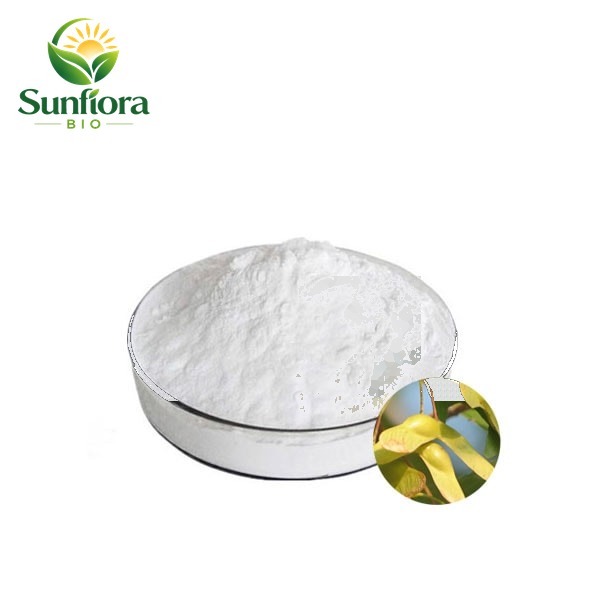
| Specification | 70%, 80% | Appearance | Light Yellow to White Powder |
| Test Method | HPLC | MOQ | 1 kg |
| Active Ingredient | Beta Glucan | Shelf Life | 2 years |
| Botanical Source | Avena sativa | CAS No. | 9051-97-2 |
| COA | Available | Certificate | ISO 22000, FDA, BRC, IFS, SGS, Kosher, Halal, Organic (EU), USDA, HACCP, ISO 9001 |
| Quality | Non-GMO, Non-irradiation, Allergen Free, BSE/TSE Free | Sample | 10-50 g sample for evaluation |
| OEM Service | Private labeling, customized packaging, capsules and tablets | Packaging | 1-5 kg / 25 kg (aluminum foil bag / fiber drum) |
Porridge, cereals and bars for the ~3 g/day cholesterol claim. Concentrated dose without whole oats; pick a grade that survives your process.
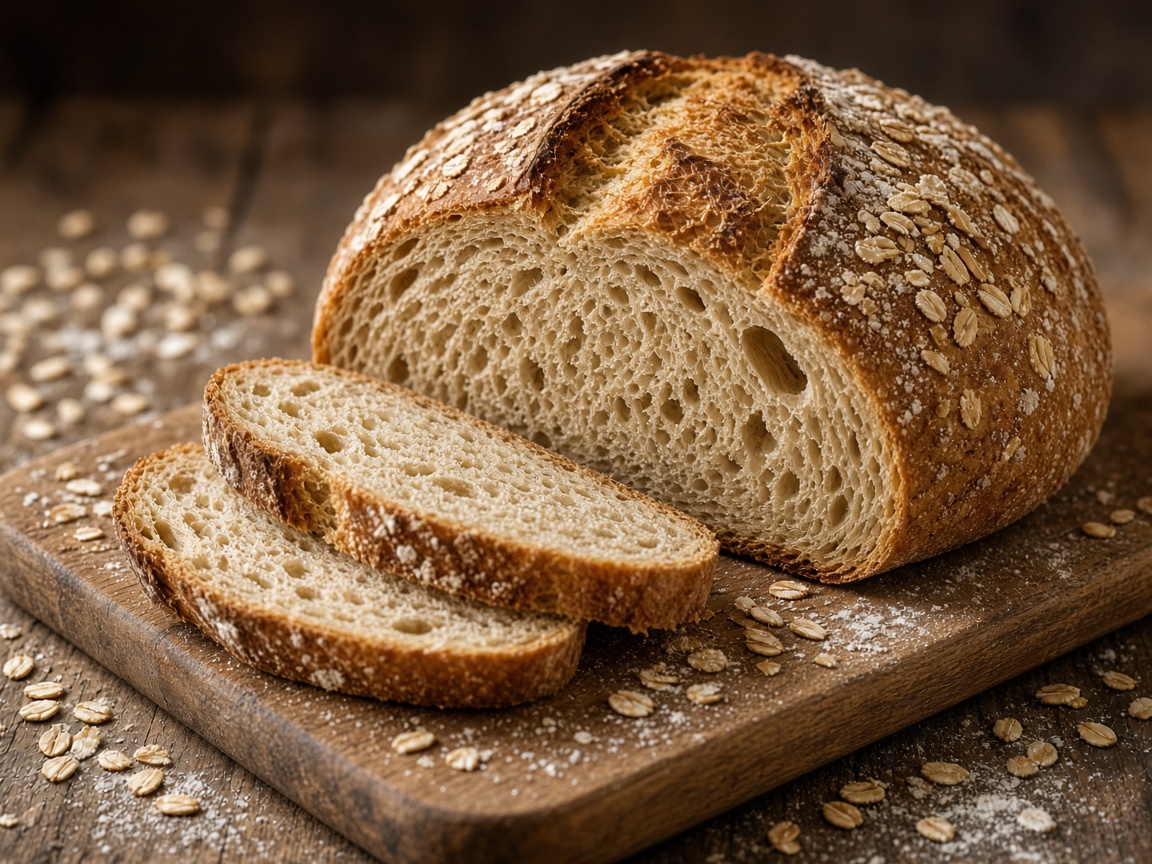
Holds water and softens crumb. High-MW suits low-GI positioning; confirm in bake trials — yeast and flour enzymes can thin the fibre.
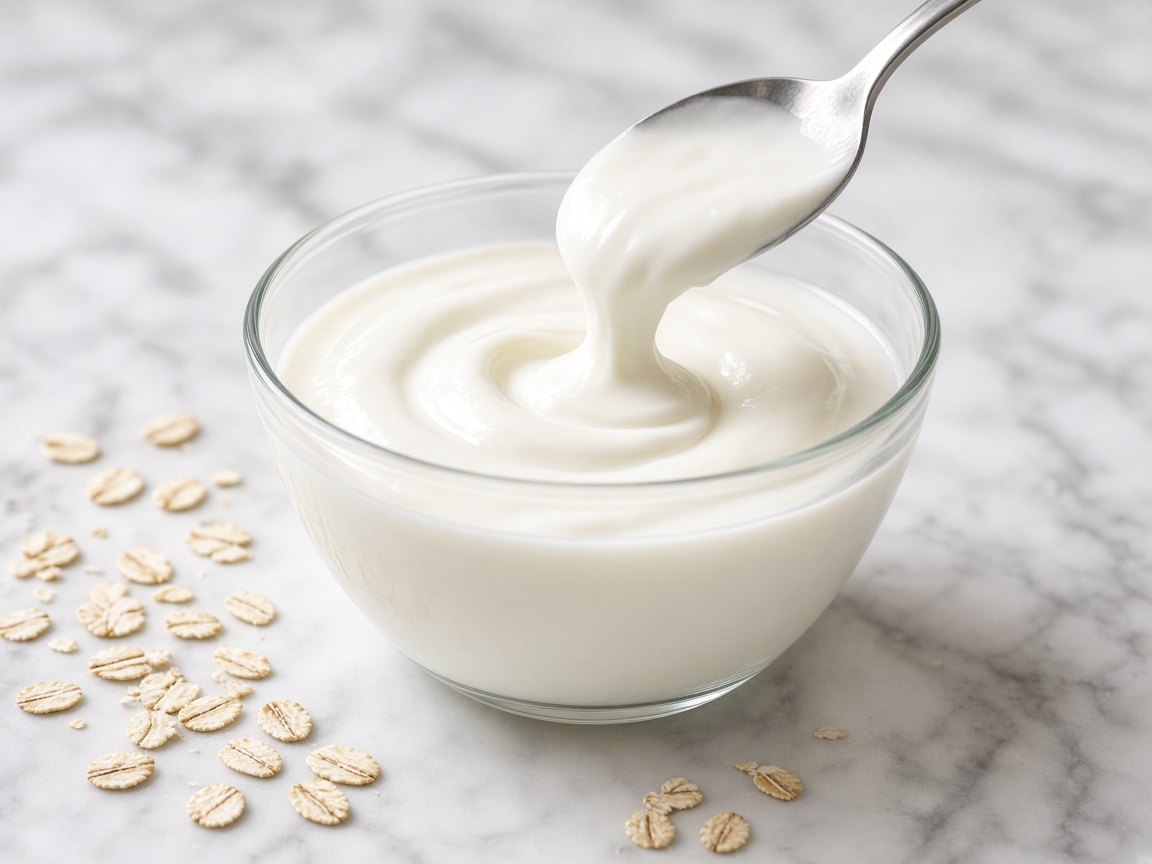
More body, less whey separation in yogurt and ice cream. Often used well below claim levels.
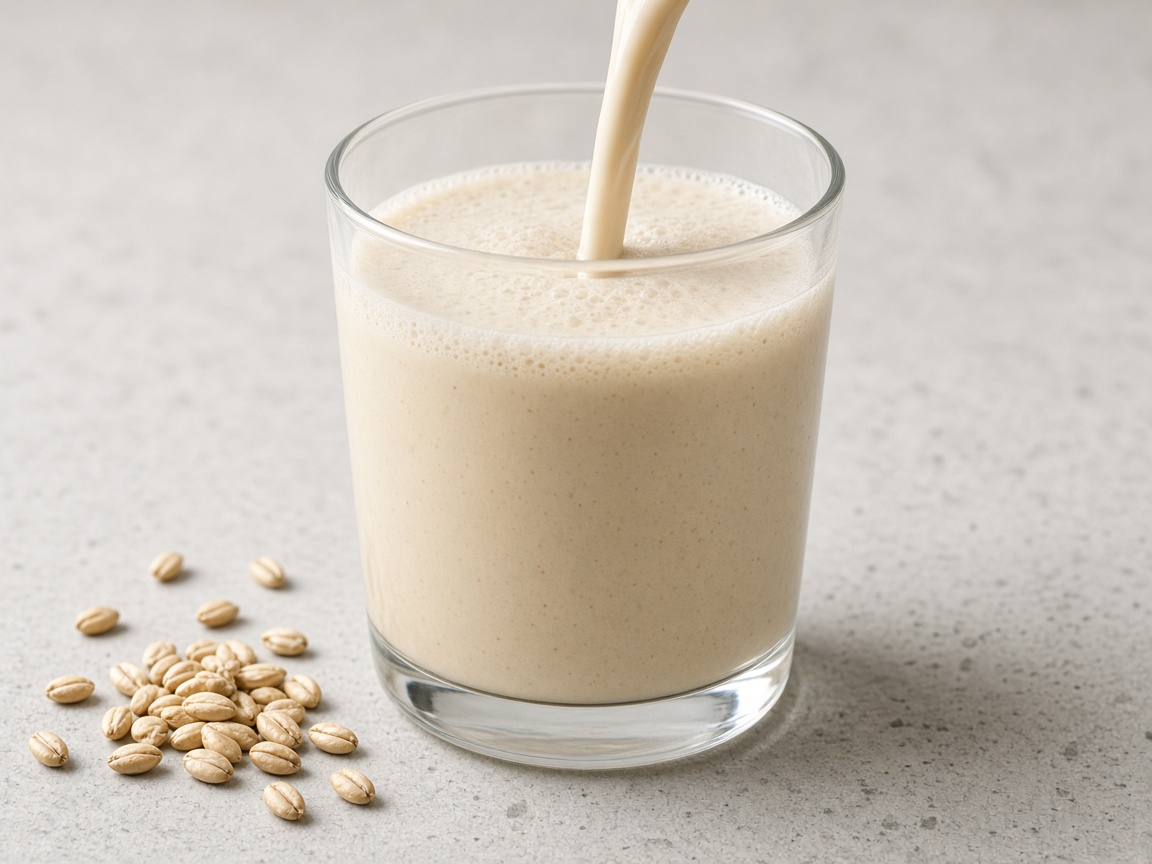
Thickens oat drinks, soups and sauces. Lower-viscosity grades pour better; check pH and heat in trials.
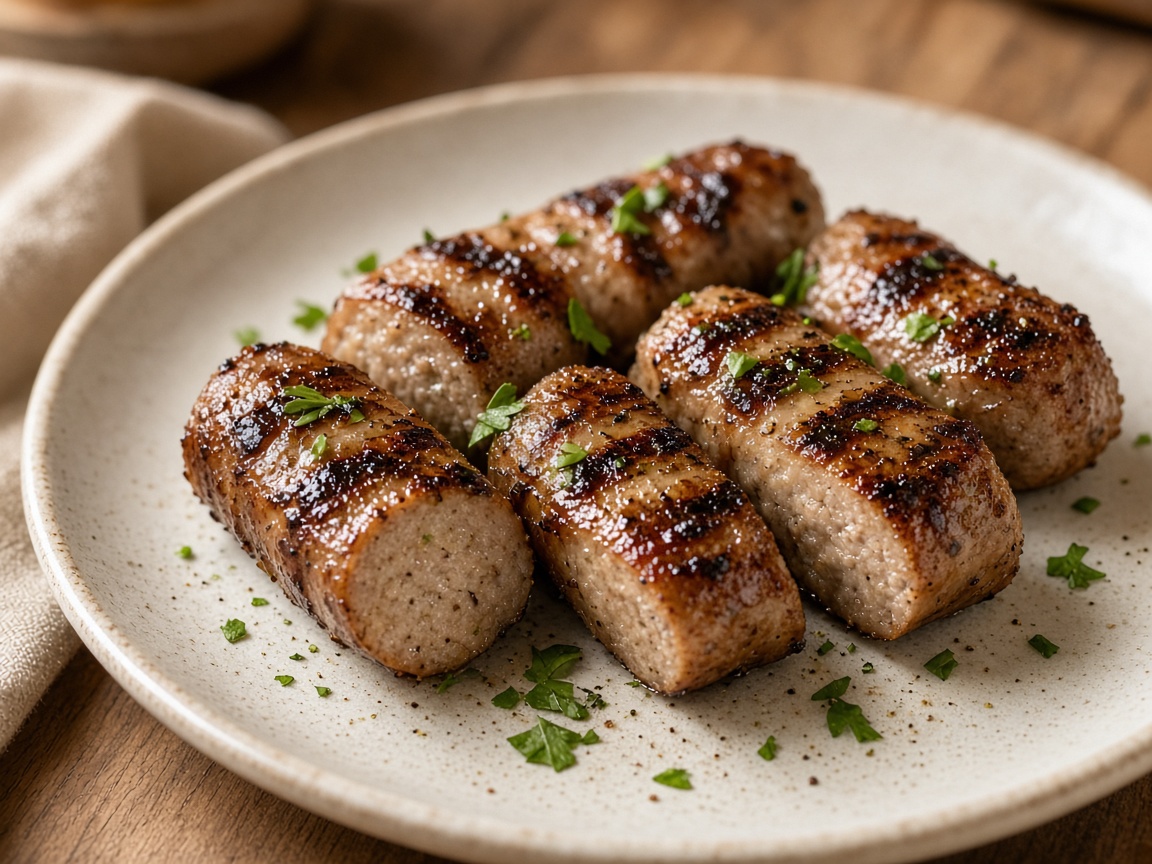
Better cook yield and juiciness in sausages and lean patties. Texture use, not the cereal health claim.
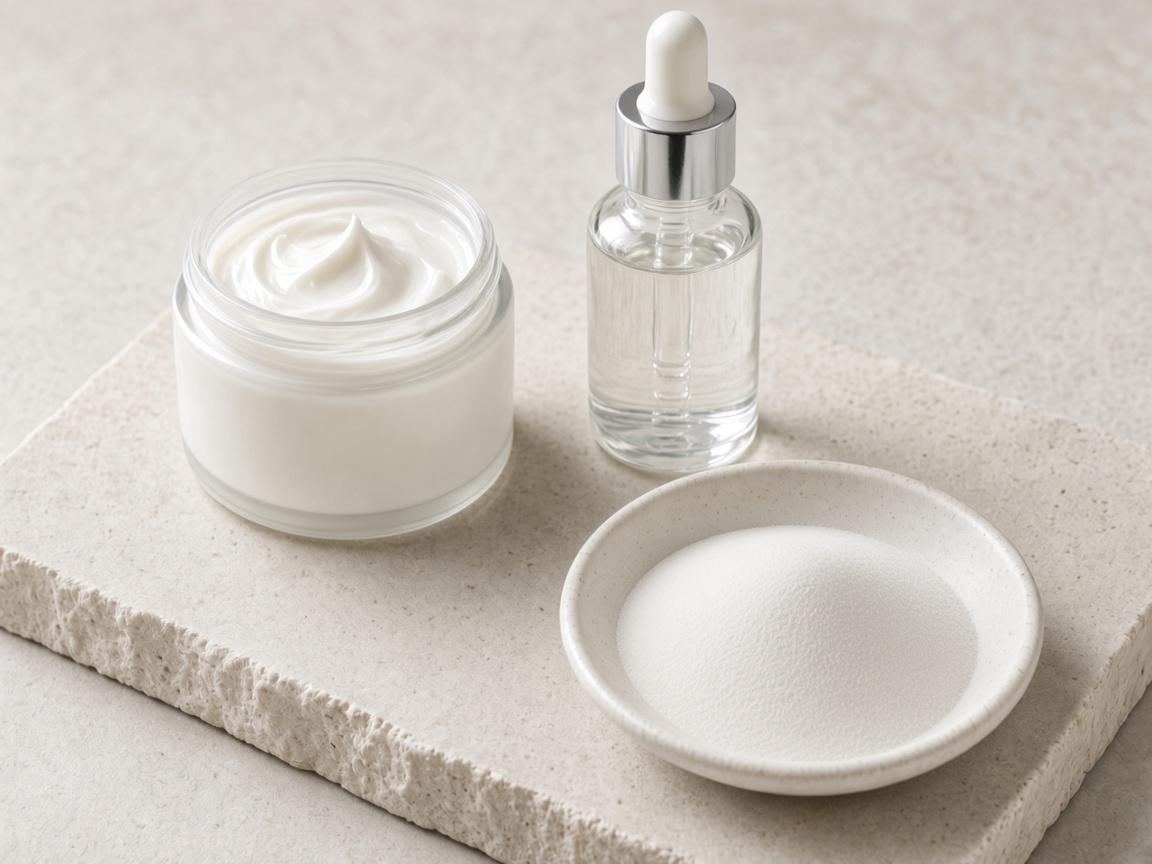
Water-phase hydration in serums and creams (INCI Beta-Glucan). Use cosmetic-grade material, not the food-claim powder.
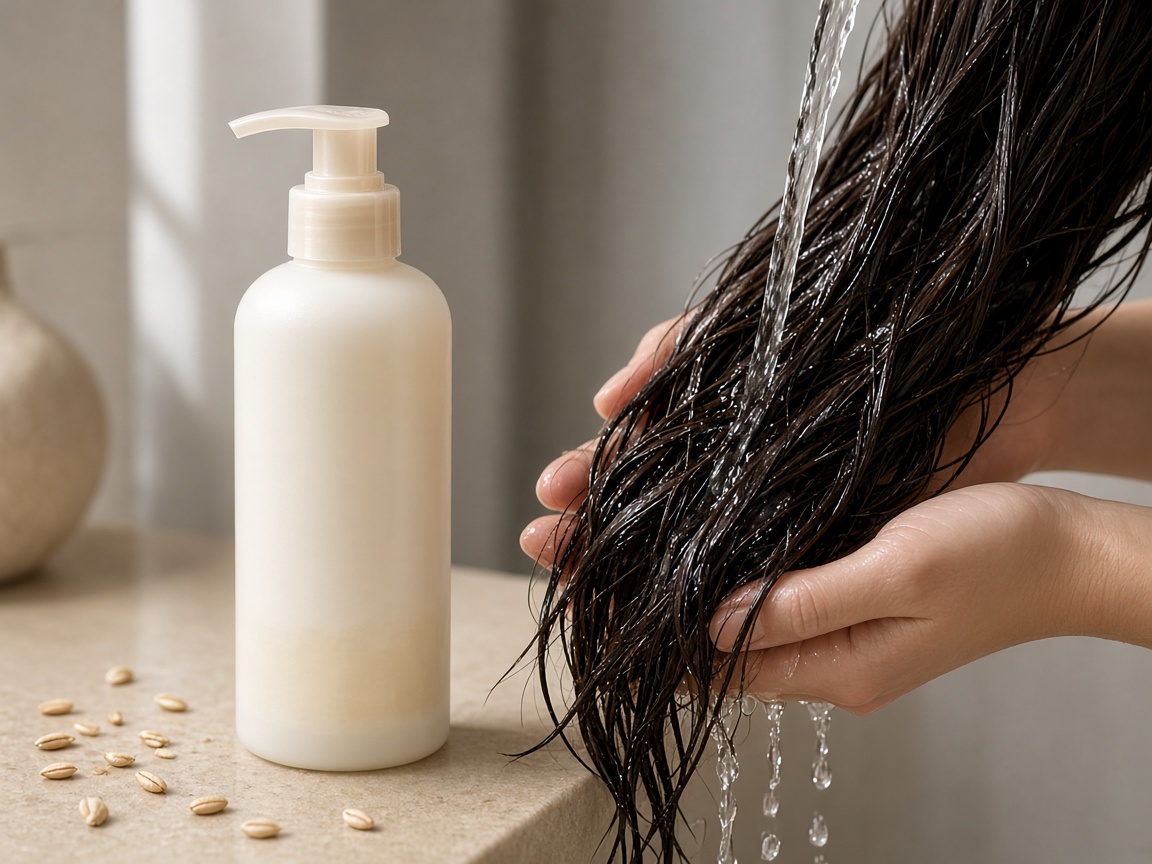
Light film in shampoo and conditioner. Test clarity and feel in your surfactant base.