Antioxidant Capsules
90–98% taxifolin. A quercetin COA does not close this spec.
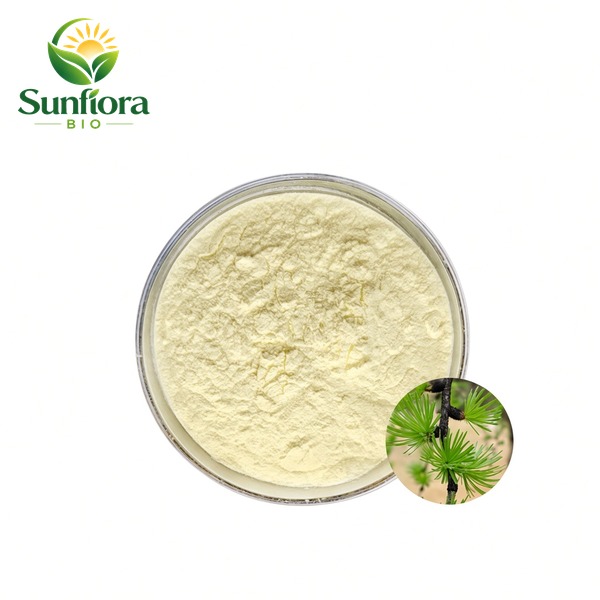
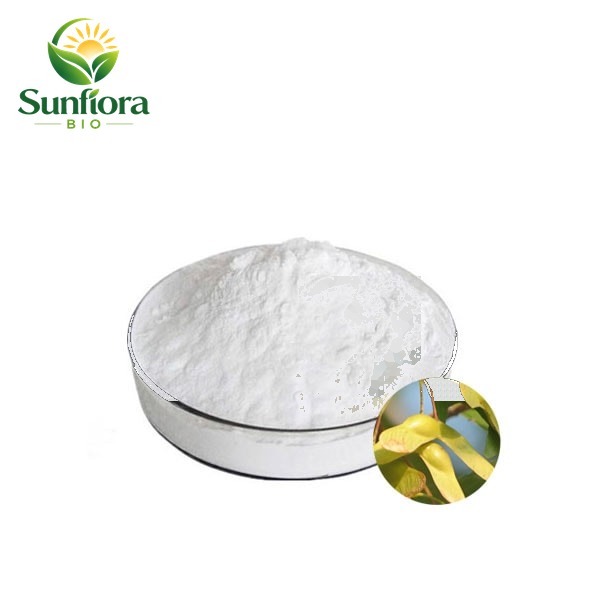
Dihydroquercetin (taxifolin) from larch wood is a flavanonol, typically 90%, 95% or 98%. It is not quercetin, even though the names are close.
It is used as an antioxidant in capsules and in some food-antioxidant and cosmetic systems, and as a high-purity reference. The larch source matters for the residual-wood and solvent story.
When buying, use both names on the PO so a quercetin lot cannot be substituted, and set the assay.
| Product Name | Larch Extract Dihydroquercetin(Taxifolin)Powder | Botanical Name | Larix spp. |
|---|---|---|---|
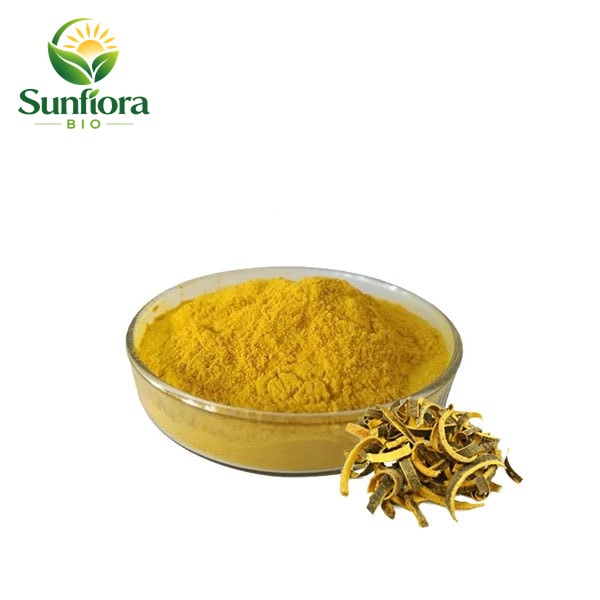
| Specification | 90%, 95%, 98% | Appearance | Yellow green powder |
| Test Method | HPLC | MOQ | 1 kg |
| Active Ingredient | Dihydroquercetin(Taxifolin) | Shelf Life | 2 years |
| Other Name | Taxifolin | CAS No. | 480-18-2 |
| Packaging | 1-5 kg / 25 kg (aluminum foil bag, carton, or cardboard drum) | COA | Available |
| Certificate | ISO 22000, FDA, BRC, IFS, SGS, Kosher, Halal, Organic (EU), USDA, HACCP, ISO 9001 | Quality | Non-GMO, Non-irradiation, Allergen Free, BSE/TSE Free |
| Sample | 10-50 g sample for evaluation | OEM Service | Private labeling, customized packaging, capsules and tablets |
90–98% taxifolin. A quercetin COA does not close this spec.
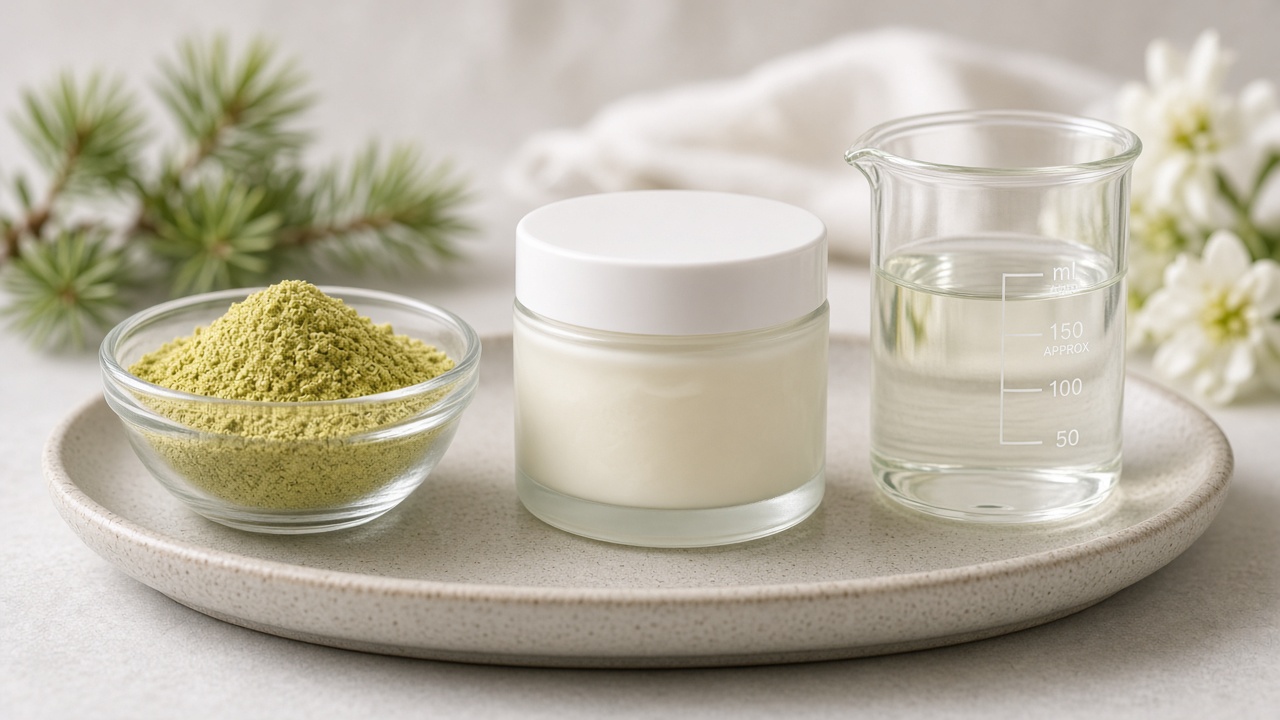
Pale grades tint less. Ask for the colour on the 90% versus 98%.
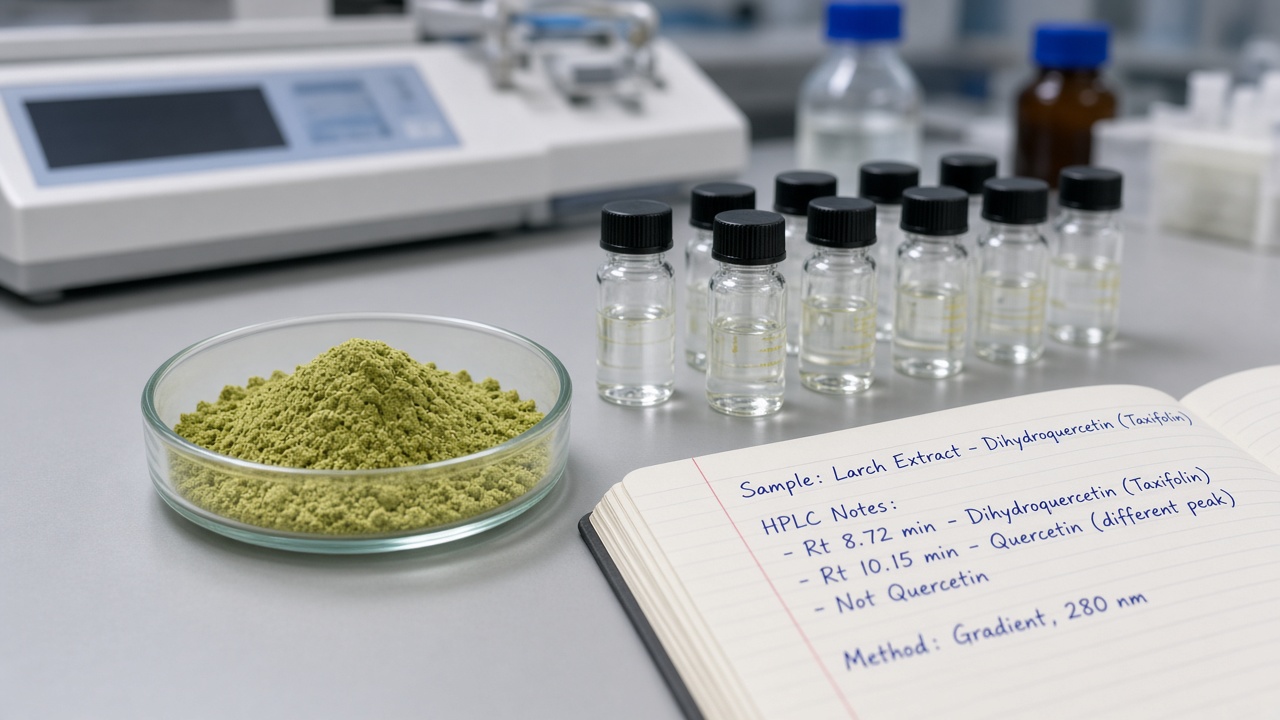
Taxifolin is dihydroquercetin. It is a different peak.
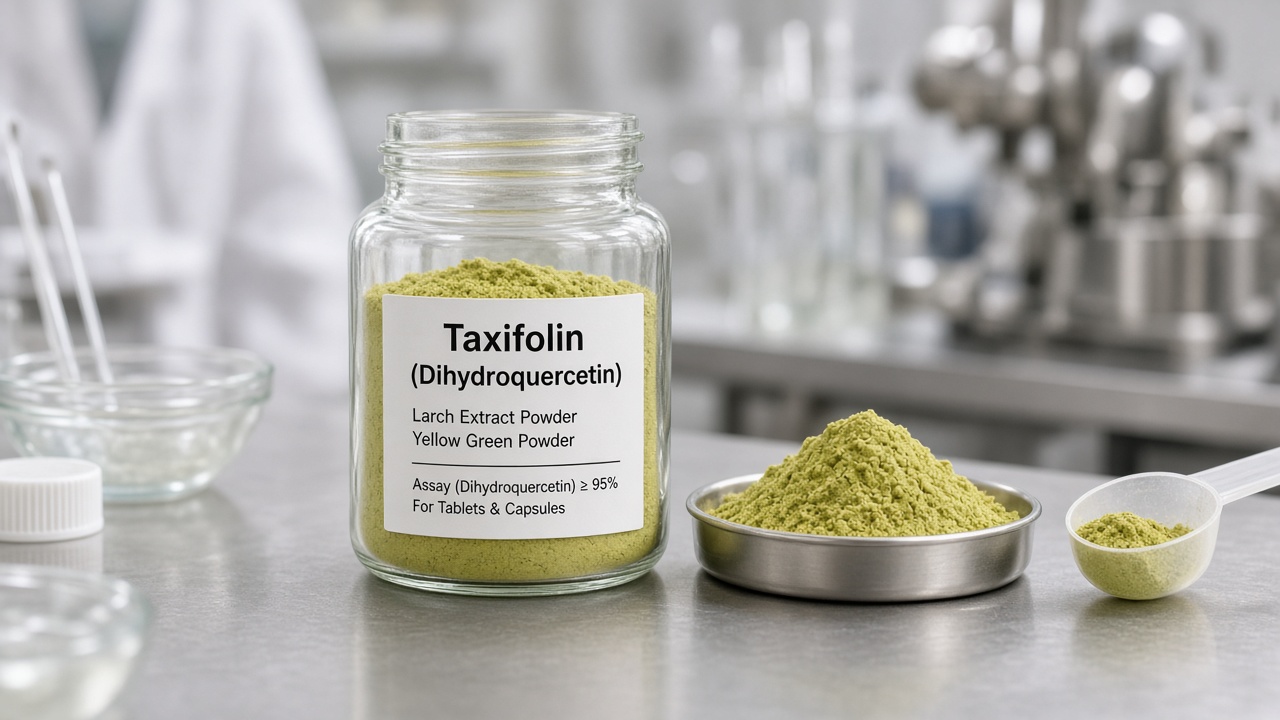
Name taxifolin or dihydroquercetin on the label so it is not read as quercetin.
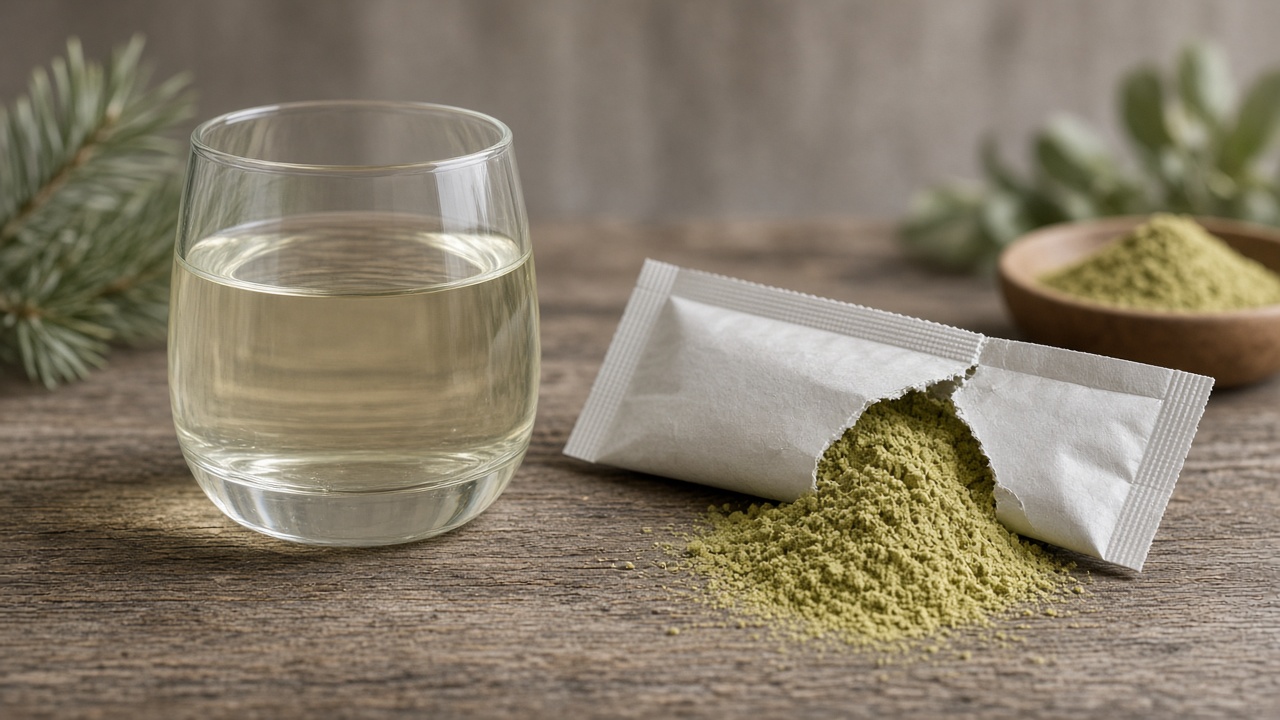
98% tints less than 90%. Ask for the colour if the drink is clear.