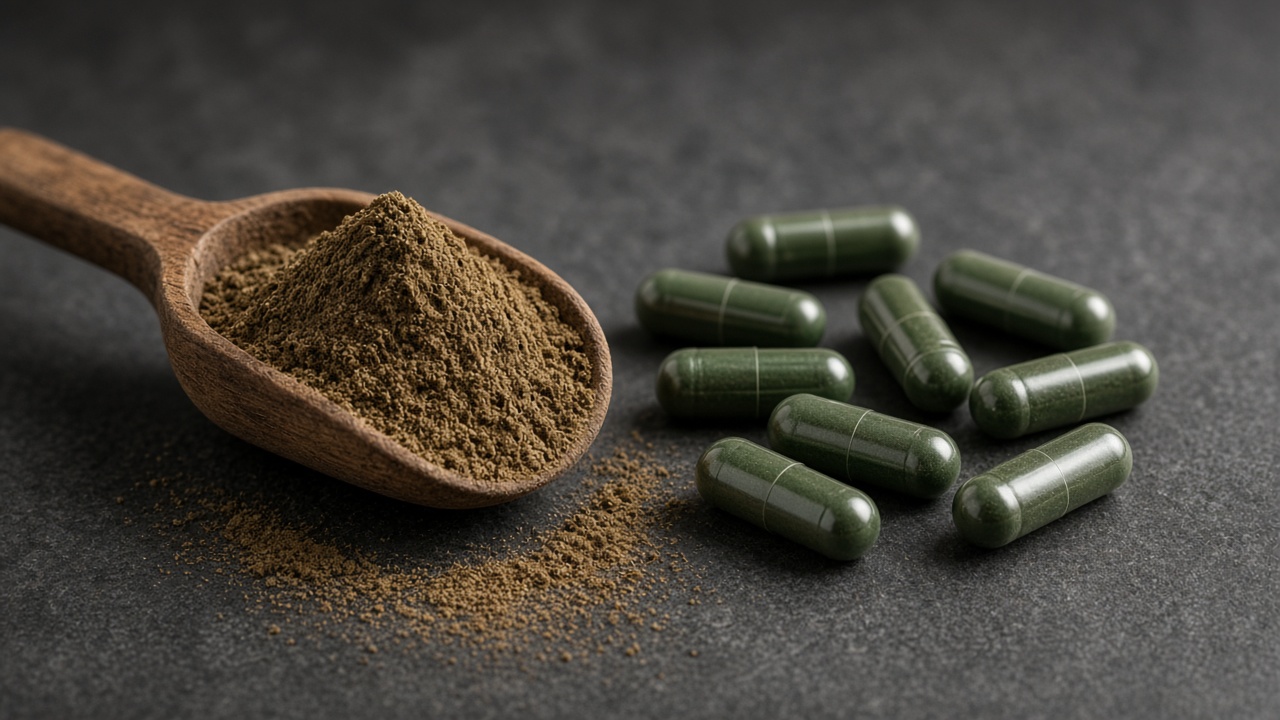
EGCG Capsules
Set the EGCG milligrams, not only “green tea extract”.
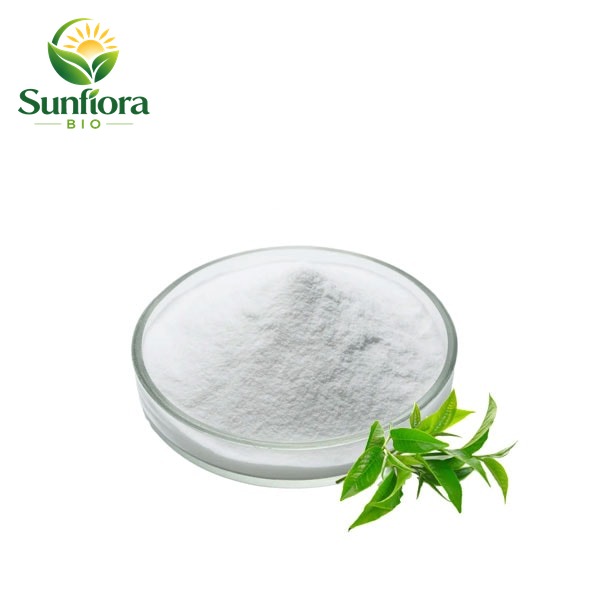
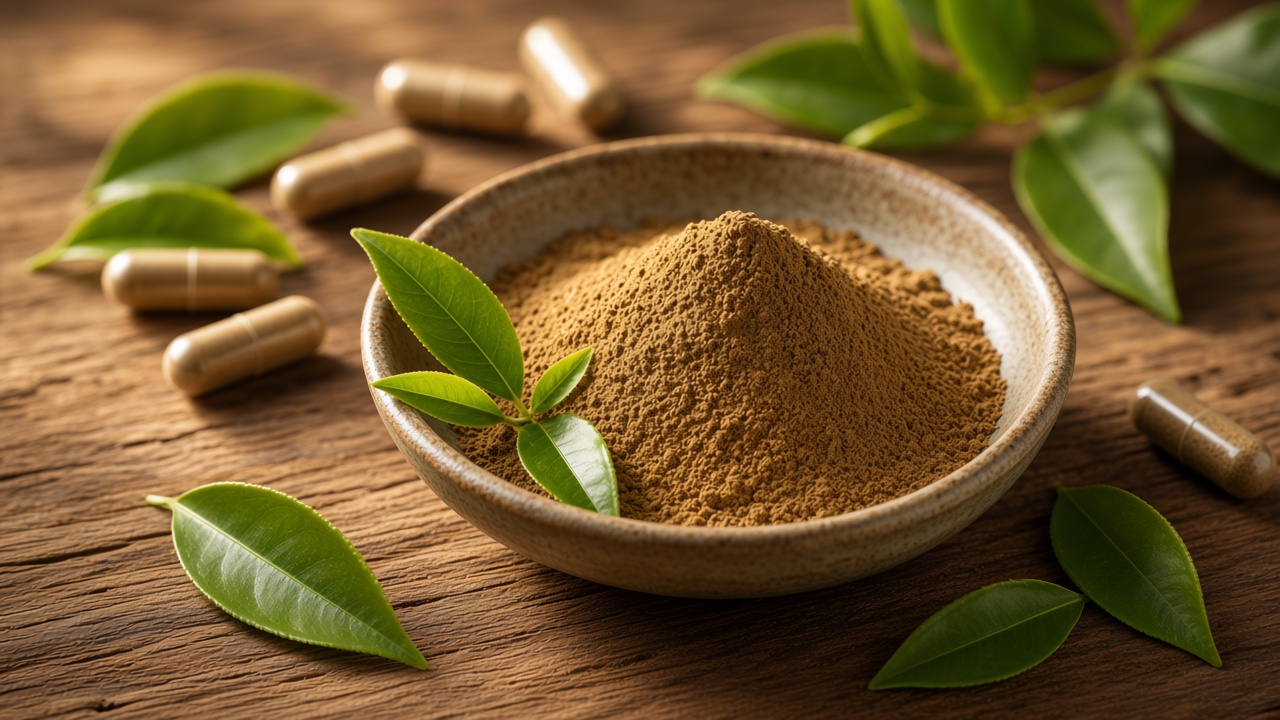
Green tea extract from the leaf is sold as total polyphenols (about 98%), catechins (about 80%), or EGCG (about 50% and up). EGCG is one catechin; polyphenols are the wide net.
It is used in weight and antioxidant capsules, drinks, and some cosmetics. High EGCG intakes have liver-injury warnings in several supplement rules, so the percent is a safety number as well as a label number.
When buying, name EGCG, catechins or polyphenols. Caffeine should be on the COA if the formula is meant to be low-stimulant.
| Product Name | Green Tea Extract Polyphenol EGCG Powder | Botanical Name | Green tea leaves (Camellia sinensis) |
|---|---|---|---|
| Specification | Tea polyphenols 98%; EGCG 50%; catechins 80% | Appearance | Brown Fine Powder |
| Test Method | HPLC / UV | MOQ | 1kg |
| Active Ingredient | Tea Polyphenols, EGCG, Catechins | Shelf Life | 2 years |
| Source | Green tea leaves (Camellia sinensis) | Active markers | Tea polyphenols, EGCG, catechins |
| Extraction note | Supplier describes water leaching | COA | Available |
| Certificate | ISO 22000, FDA, BRC, IFS, SGS, Kosher, Halal, Organic (EU), USDA, HACCP, ISO 9001 | Quality | Non-GMO, Non-irradiation, Allergen Free, BSE/TSE Free |
| Sample | 10-50 g sample for evaluation | OEM Service | Private labeling, customized packaging, capsules and tablets |
| Packaging | 1-5 kg / 25 kg (aluminum foil bag / fiber drum) |
Set the EGCG milligrams, not only “green tea extract”.
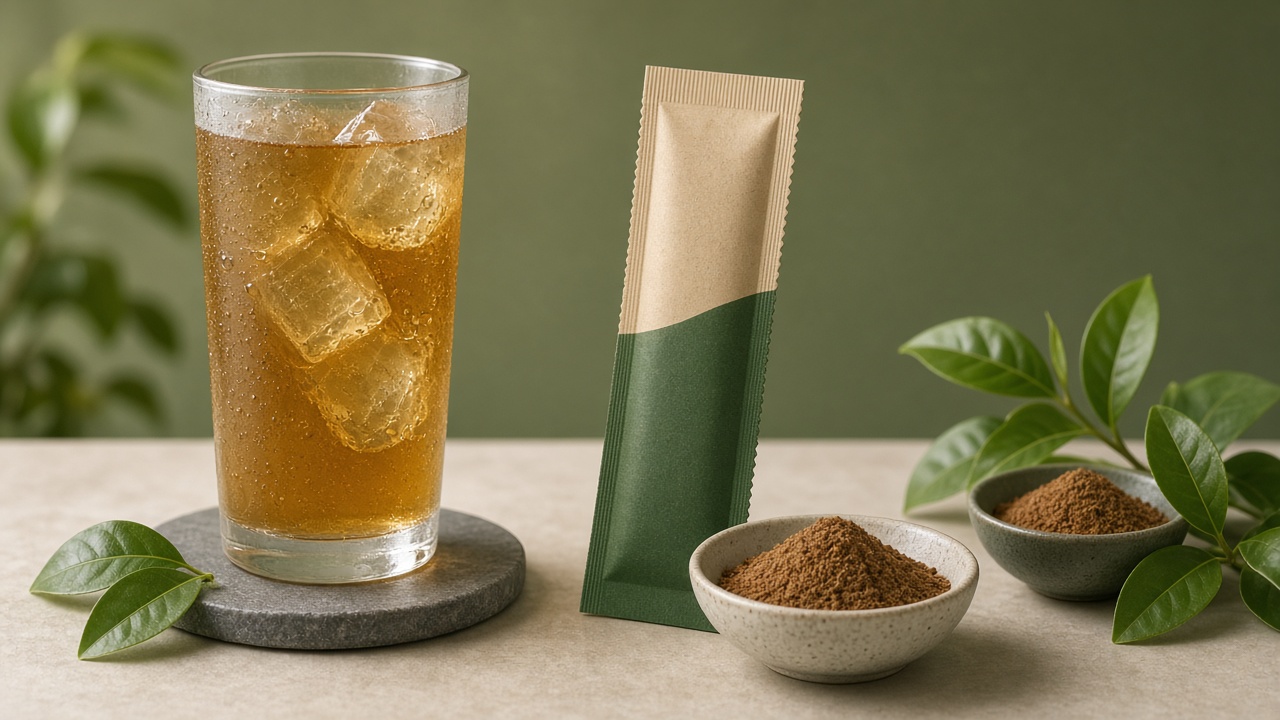
Astringent and can sediment. Decaf grades are a separate ask.
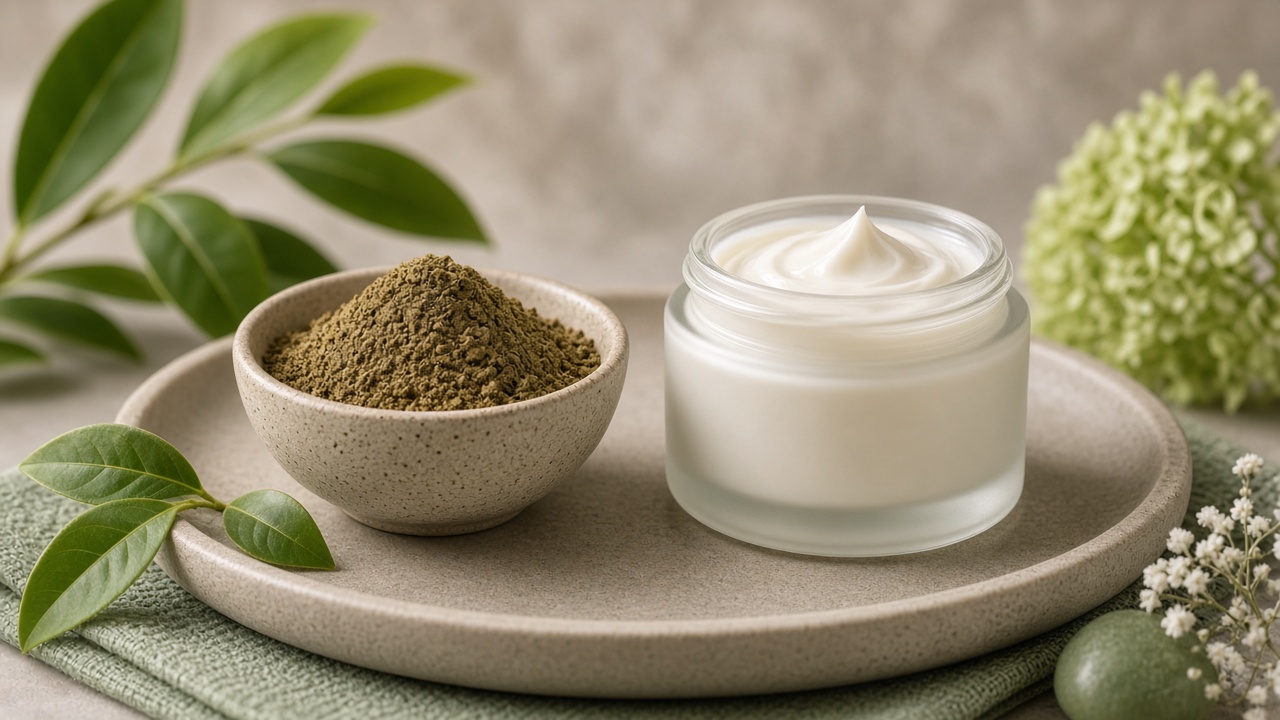
Colour stains. Use a grade whose caffeine and solvent story fits a leave-on.
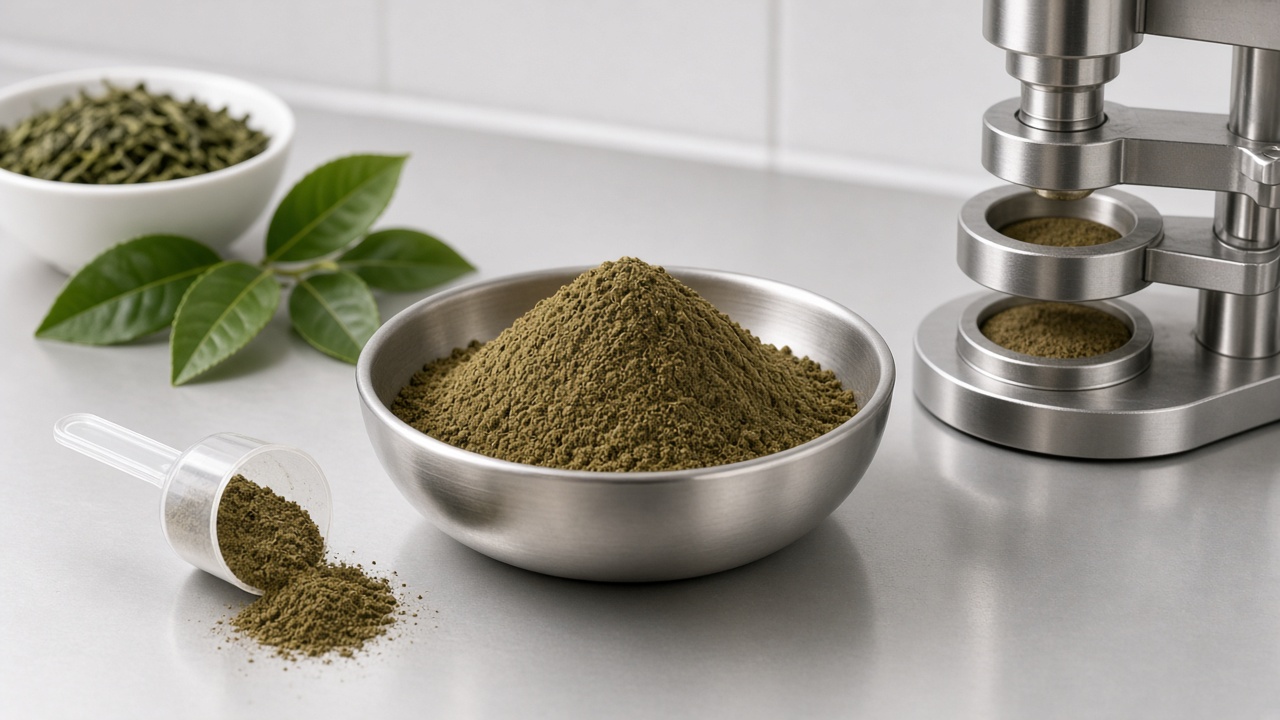
EGCG milligrams, not “green tea extract”, belong on the label.
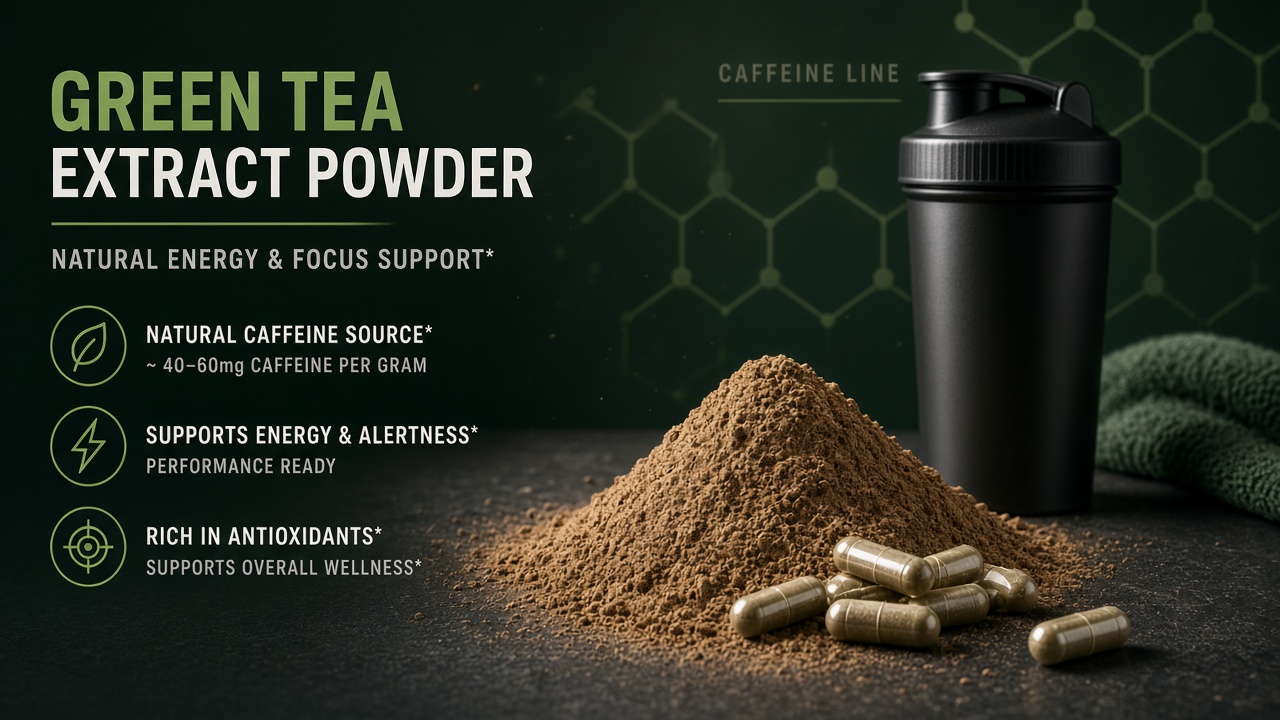
Ask for caffeine if the blend is meant to be low-stimulant.
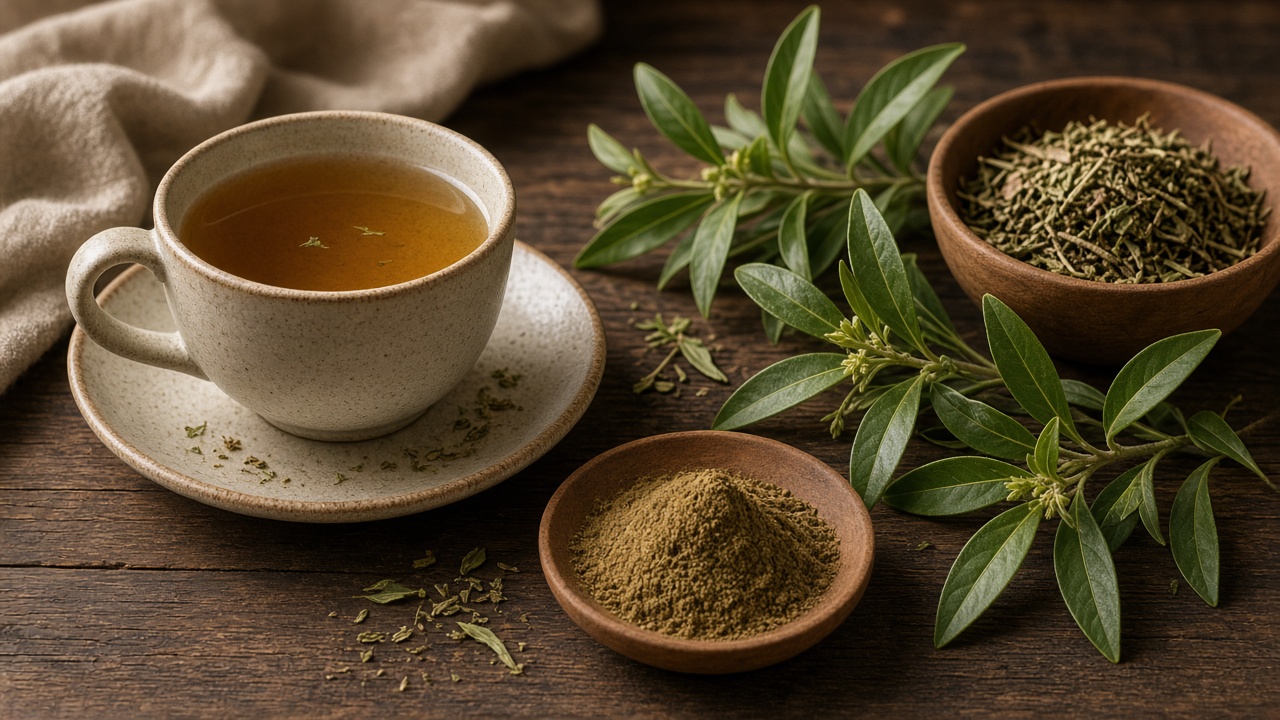
A leaf infusion will not deliver 50% EGCG. The extract dose is what the label has to use.
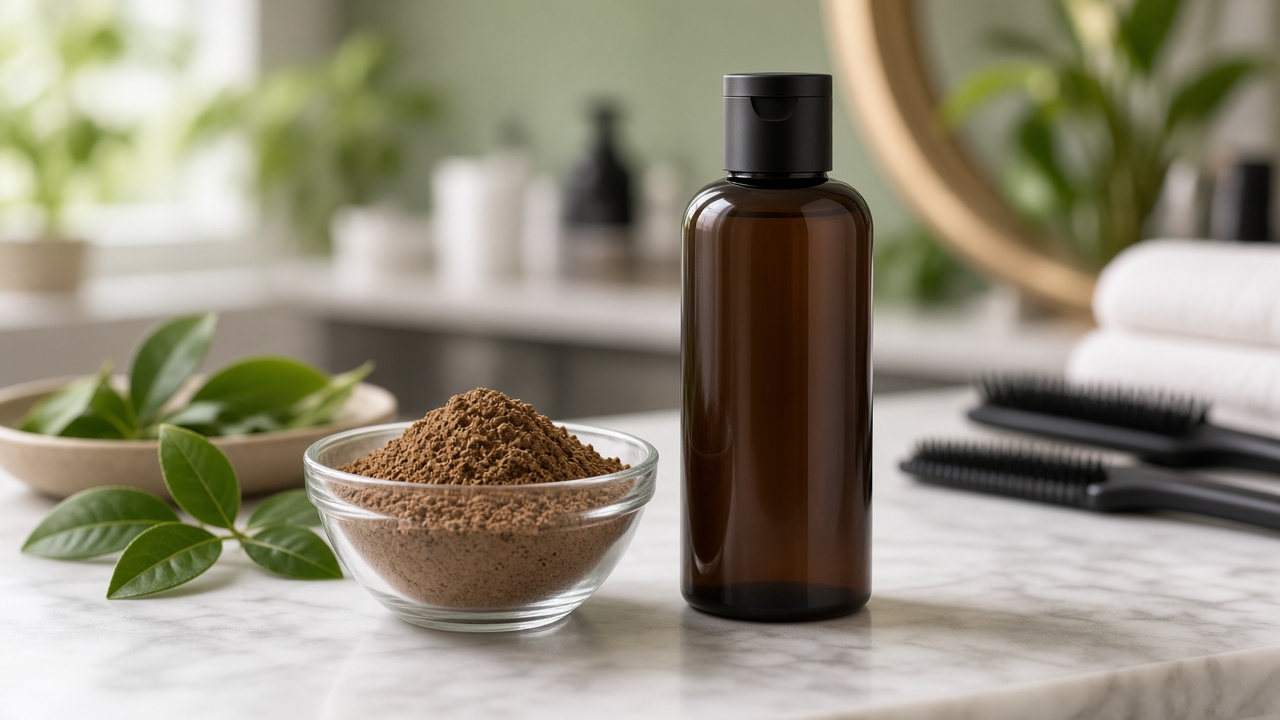
Polyphenol grades stain. Check the tint in the finished base.