Seasonal Capsules
Chicoric acid percent is the usual label marker for purpurea.
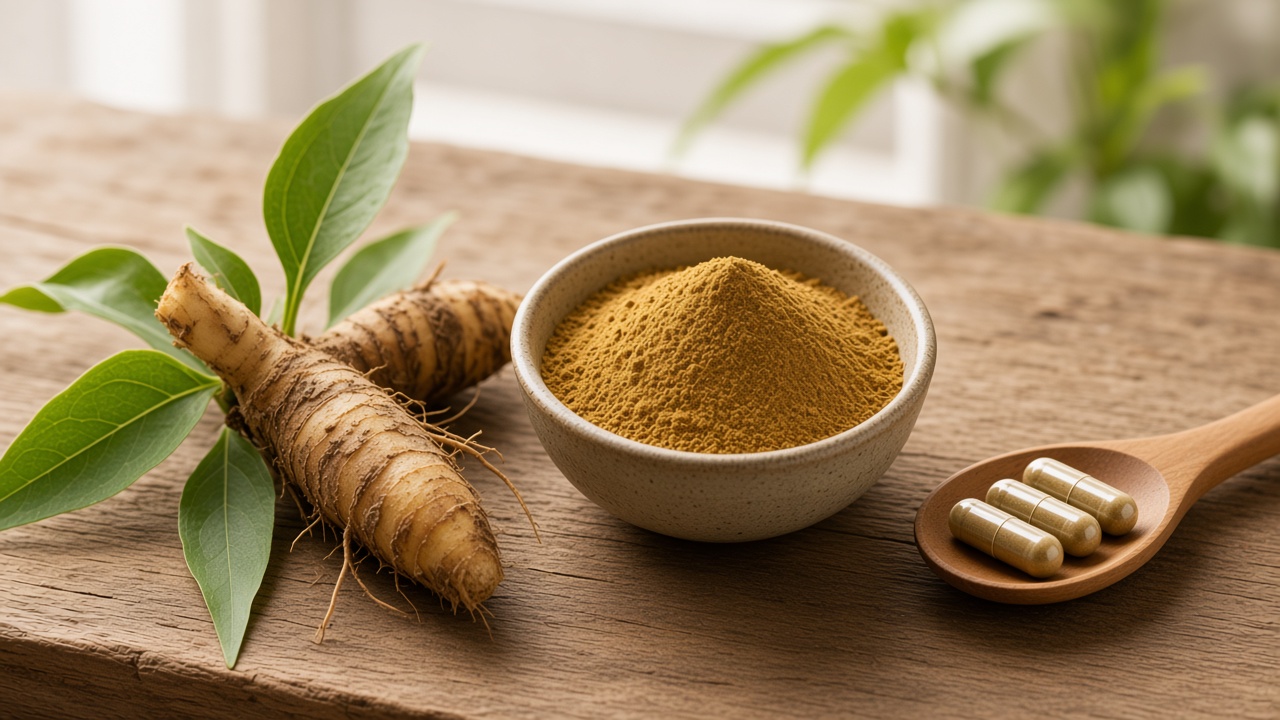
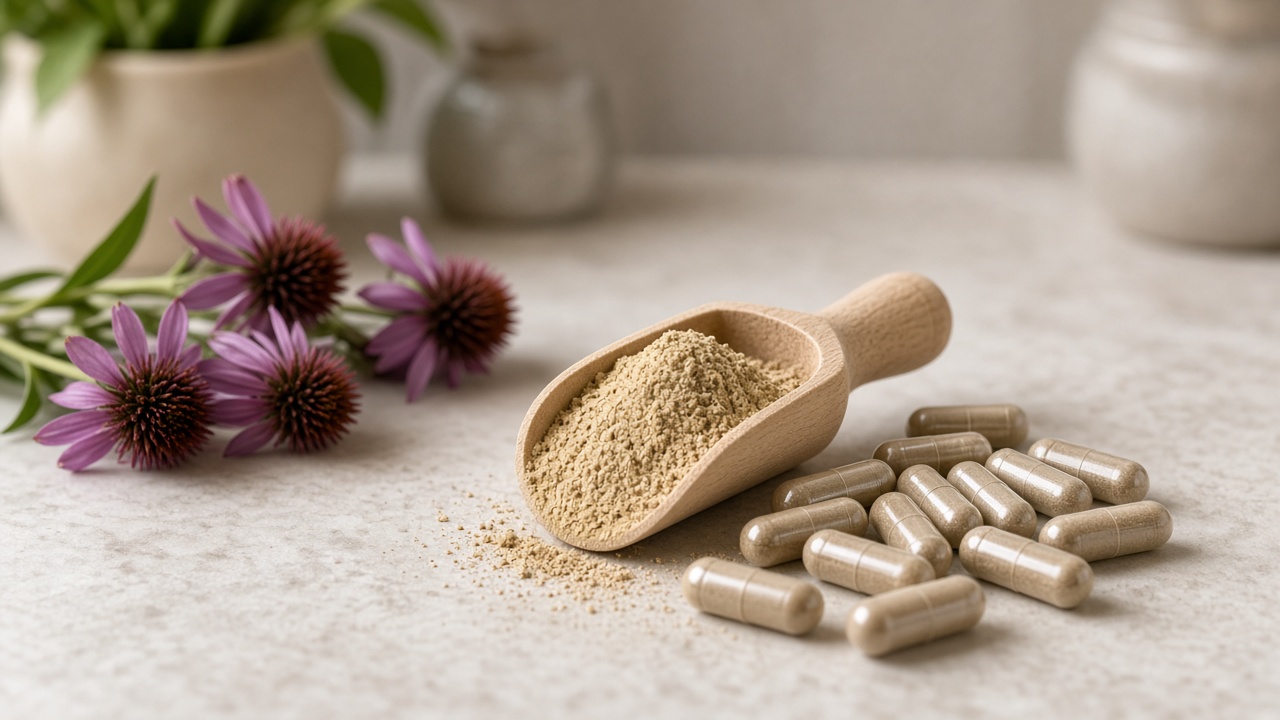
Echinacea purpurea extract is usually standardized to chicoric acid (about 1–4%) or to total polyphenols (about 4%), from herb or rhizome.
It is the purple coneflower used in immune-season capsules, teas and lozenges. E. purpurea and E. angustifolia are different species; alkylamides dominate the angustifolia story, chicoric acid the purpurea one.
When buying, name the species, the part, and chicoric acid versus polyphenols.
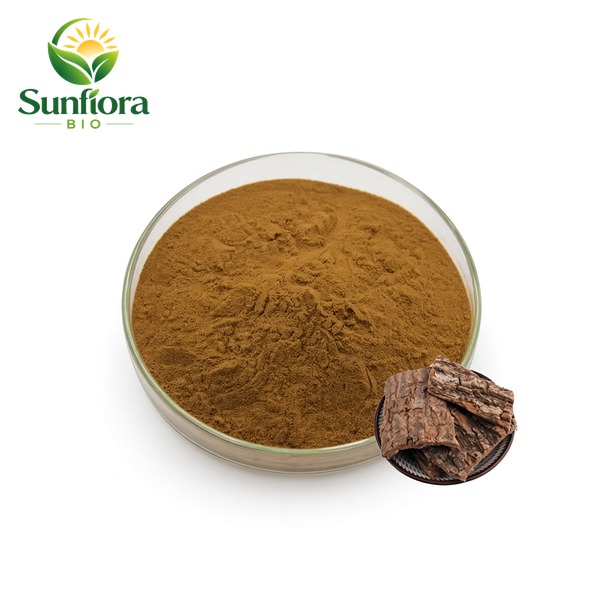
| Product Name | Echinacea Purpurea Extract Powder | Botanical Name | Echinacea rhizome |
|---|---|---|---|
| Specification | 1%, 2%, 3%, 4% Chicoric acid; 4% Polyphenol | Appearance | Brown Yellow Powder |
| Test Method | HPLC | MOQ | 1 kg |
| Shelf Life | 2 years | Botanical Source | Echinacea rhizome |
| CAS No. | 70831-56-0 | Solubility | Fully water soluble |
| Applications | Food, cosmetic, dietary supplements, Animal Feed | Packaging | 1-5 kg / 25 kg (aluminum foil bag, carton, or cardboard drum) |
| COA | Available | Certificate | ISO 22000, FDA, BRC, IFS, SGS, Kosher, Halal, Organic (EU), USDA, HACCP, ISO 9001 |
| Quality | Non-GMO, Non-irradiation, Allergen Free, BSE/TSE Free | Sample | 10-50 g sample for evaluation |
| OEM Service | Private labeling, customized packaging, capsules and tablets |
Chicoric acid percent is the usual label marker for purpurea.
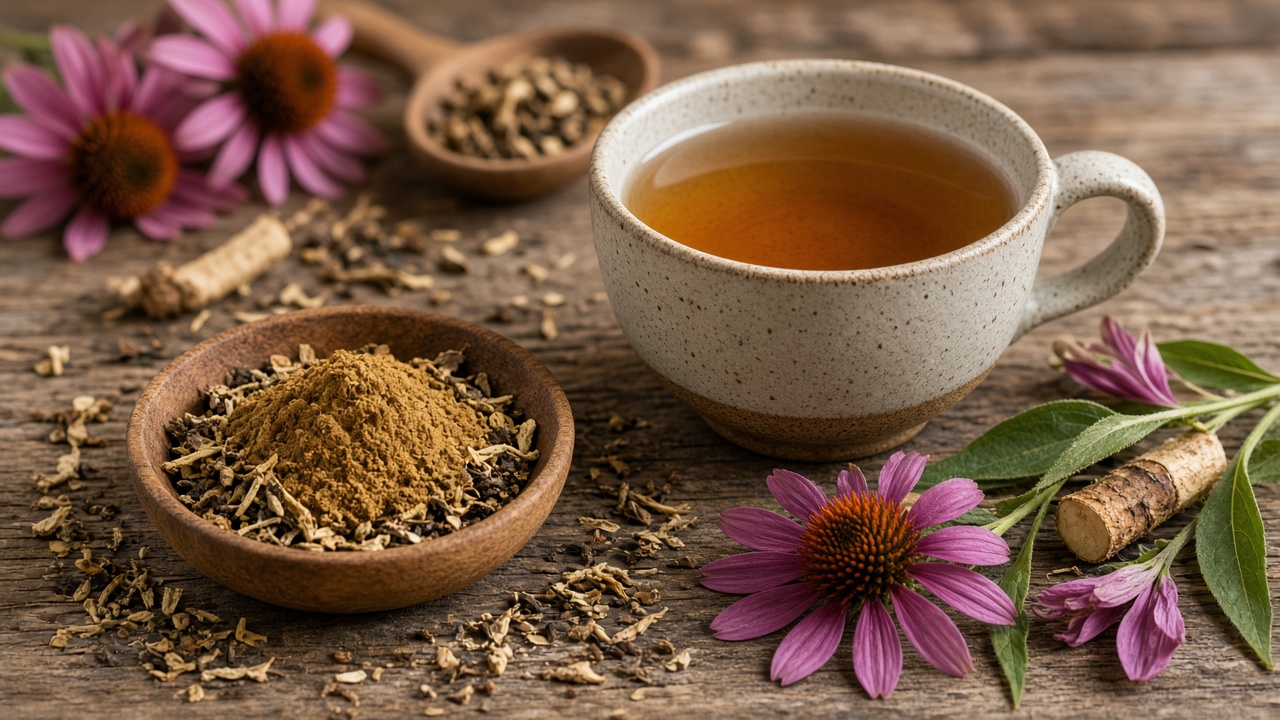
Flavour is sharp. A 4% polyphenol grade tastes different from a 4% chicoric acid grade.
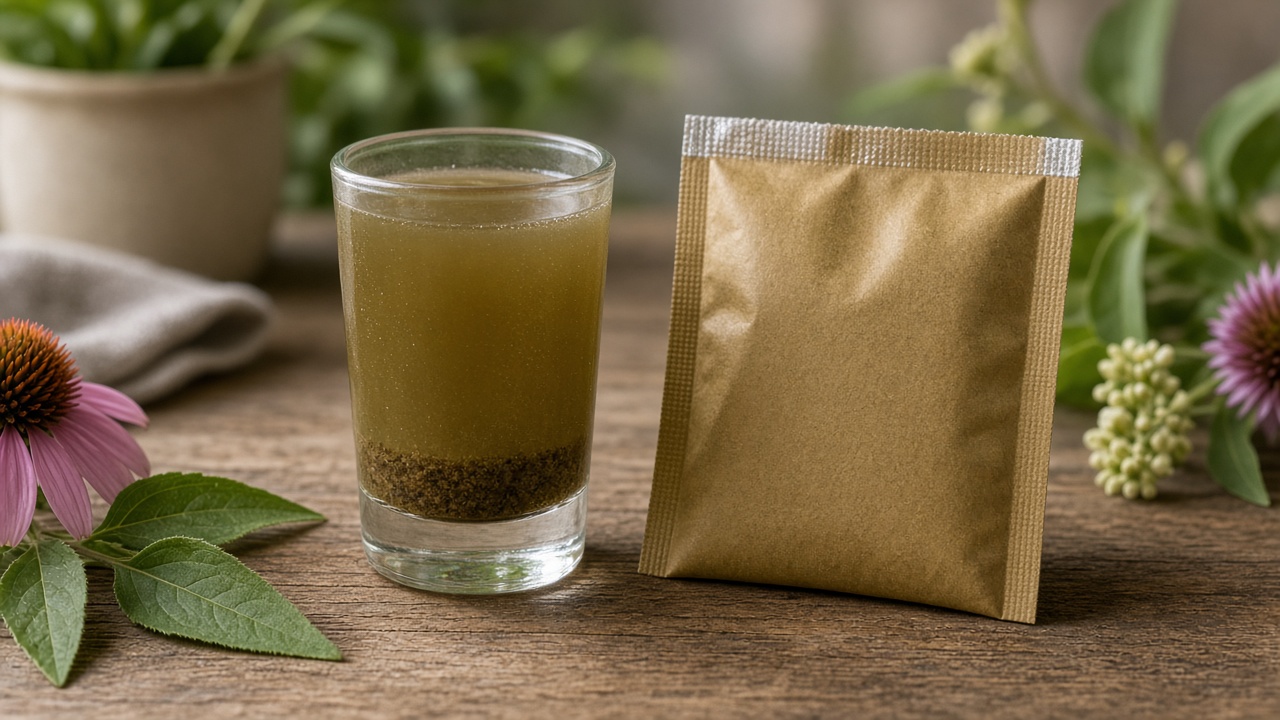
Check sediment and whether the market allows the claim you want.
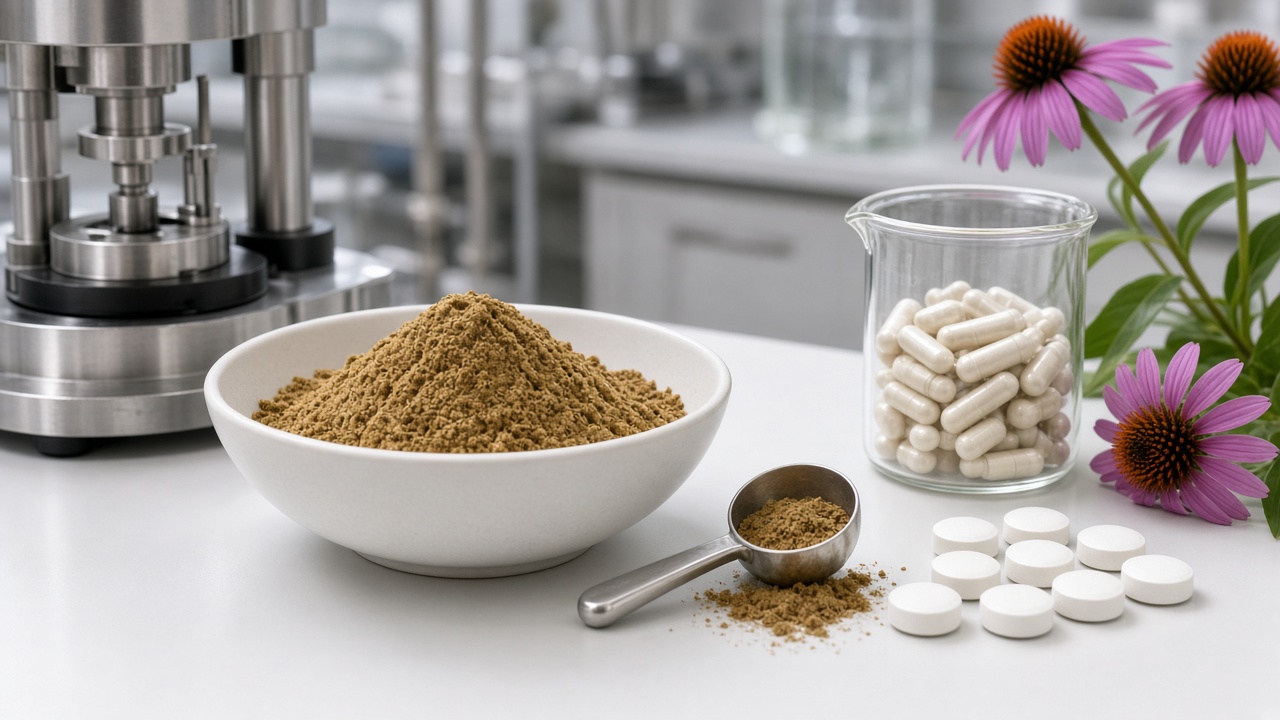
Chicoric acid and polyphenol grades taste and colour differently. Do not share one coating trial.
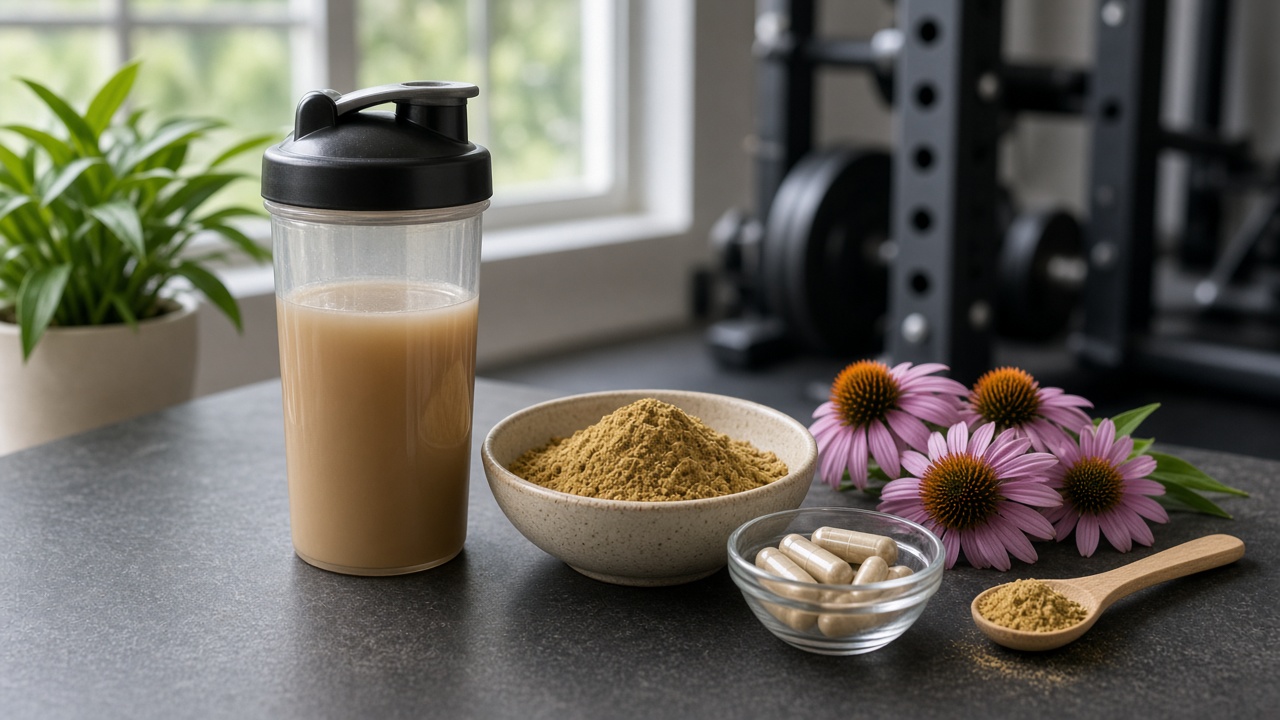
Keep the species on the blend sheet. Angustifolia is not this extract.
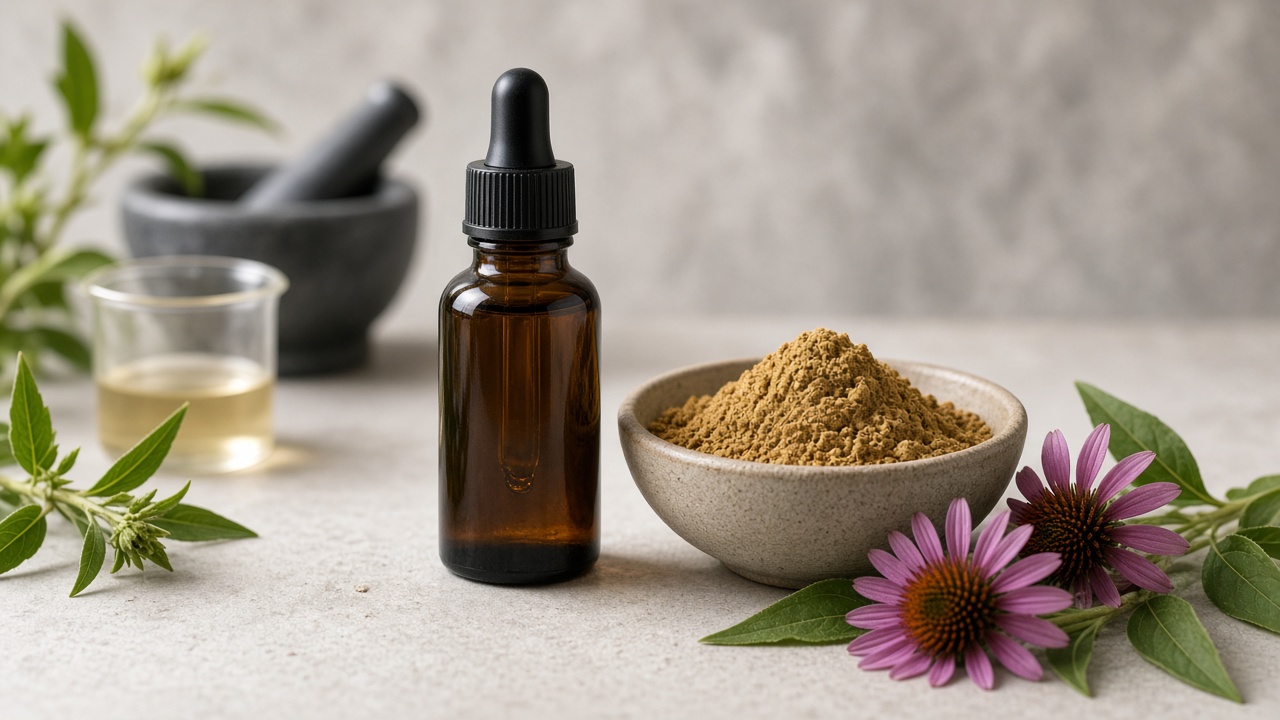
Tinctures are a different strength. Do not copy a chicoric-acid powder dose onto a liquid.
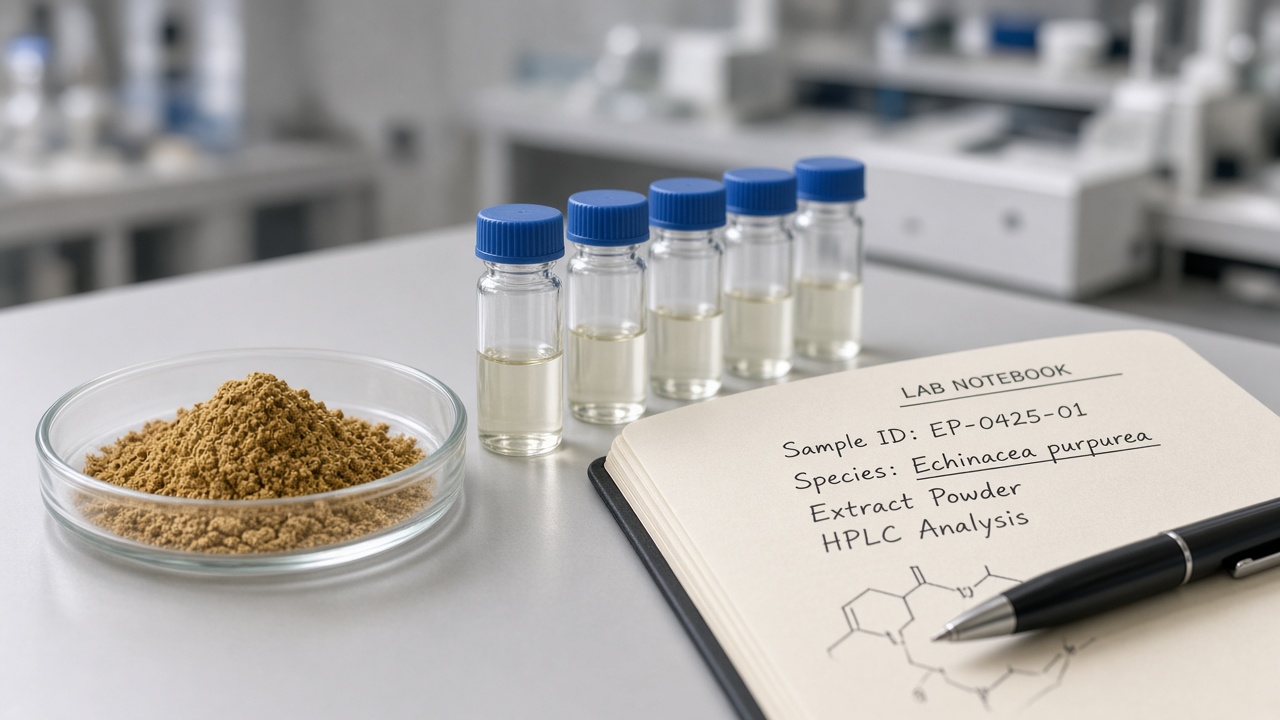
Echinacea purpurea has to be the species printed, not a blend of species.