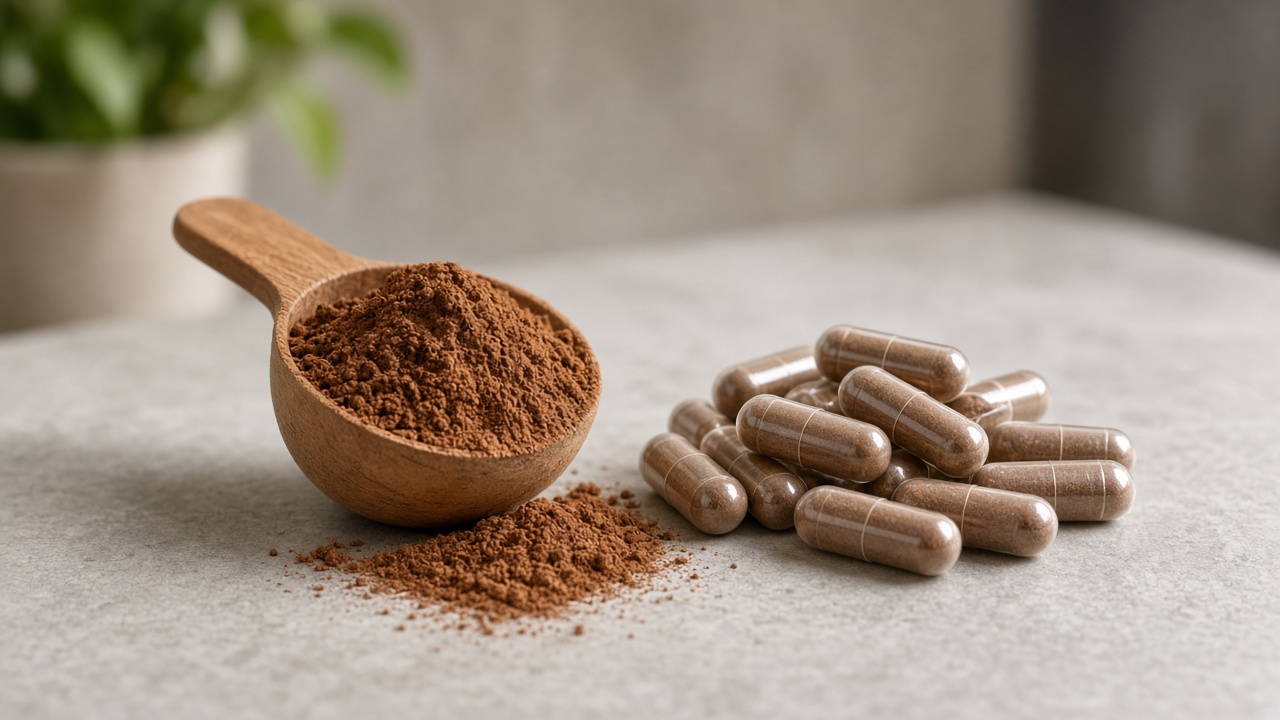
Polyphenol Capsules
10–50% polyphenols, with coumarin on the COA.
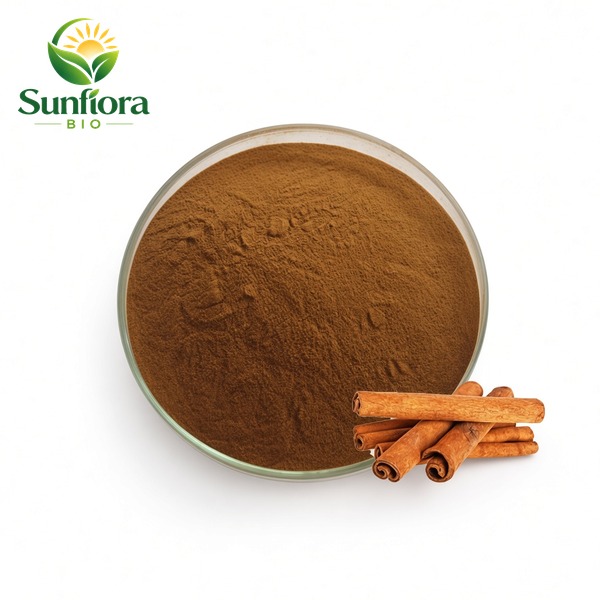
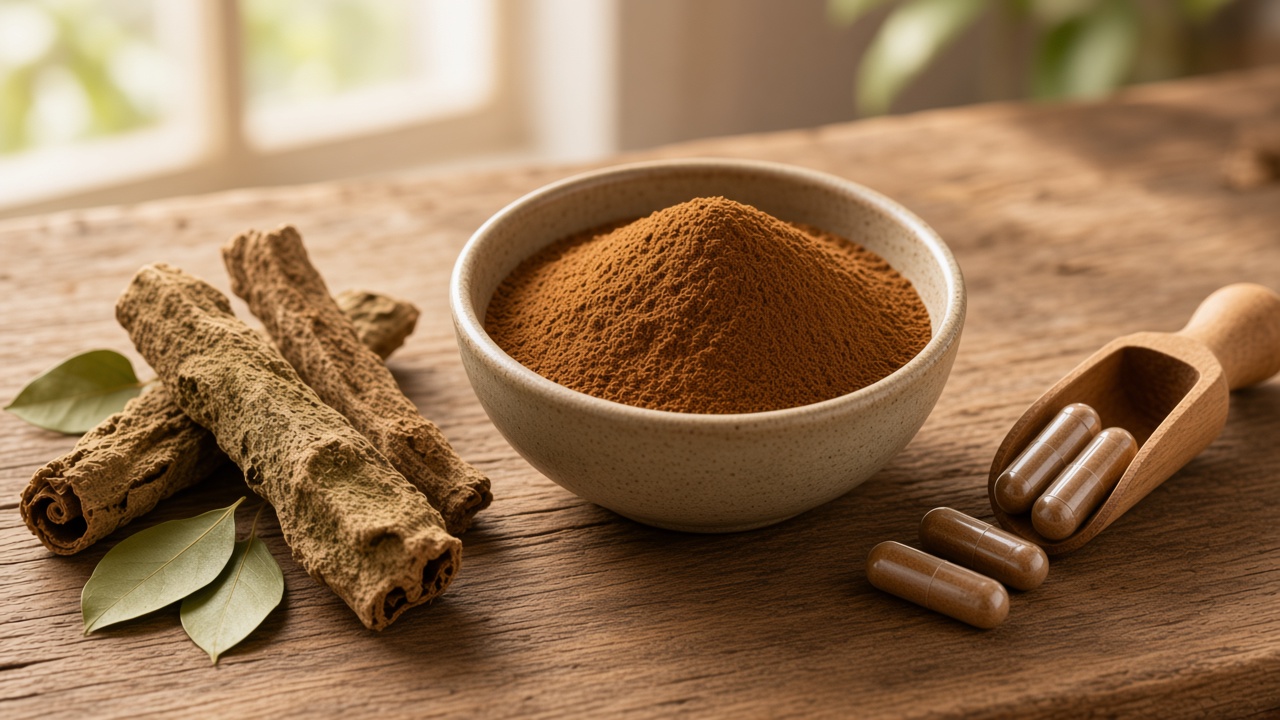
Cinnamon bark extract is standardized either to polyphenols (about 10–50%) or to cinnamaldehyde (about 5%). The oil is mostly cinnamaldehyde and is a flavour; the polyphenol extract is the supplement-style powder.
Cassia and Ceylon differ in coumarin, which is the safety number for high daily doses. A polyphenol COA that hides coumarin is incomplete for a capsule.
When buying, choose polyphenols or cinnamaldehyde, and ask for coumarin and the species.
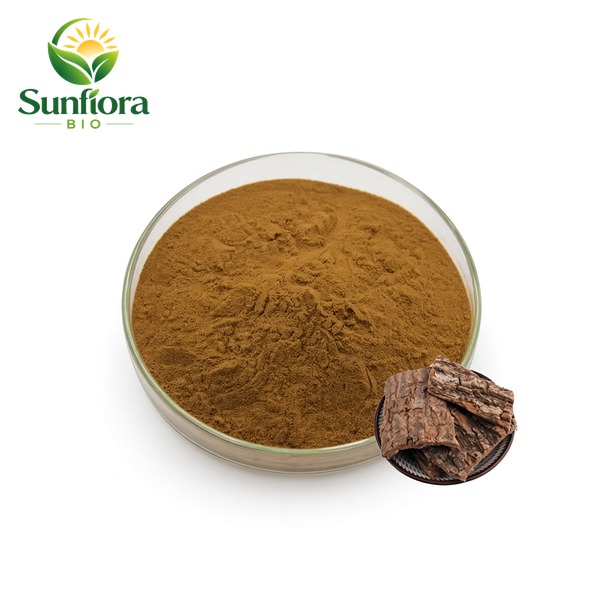
| Product Name | Cinnamon Bark Extract Powder | Botanical Name | Cinnamomum cassia |
|---|---|---|---|
| Part Used | Bark | Specification | 10%-50%Polyphenols, 5% Cinnamaldehyde |
| Appearance | Brown Red Powder | Test Method | HPLC in specification table; UV in page header—confirm on COA |
| MOQ | 1kg | Active Ingredient | Cinnamon Polyphenols,Cinnamaldehyde |
| Shelf Life | 2 years | Active markers | Cinnamon polyphenols; cinnamaldehyde |
| Ratio grades | 4:1–20:1 | Polyphenol specification | 10%–50% |
| Cinnamaldehyde specification | 5% | Grade | Food grade |
| COA | Available | Certificate | ISO 22000, FDA, BRC, IFS, SGS, Kosher, Halal, Organic (EU), USDA, HACCP, ISO 9001 |
| Quality | Non-GMO, Non-irradiation, Allergen Free, BSE/TSE Free | Sample | 10-50 g sample for evaluation |
| OEM Service | Private labeling, customized packaging, capsules and tablets | Packaging | 1-5 kg / 25 kg (aluminum foil bag / fiber drum) |
10–50% polyphenols, with coumarin on the COA.
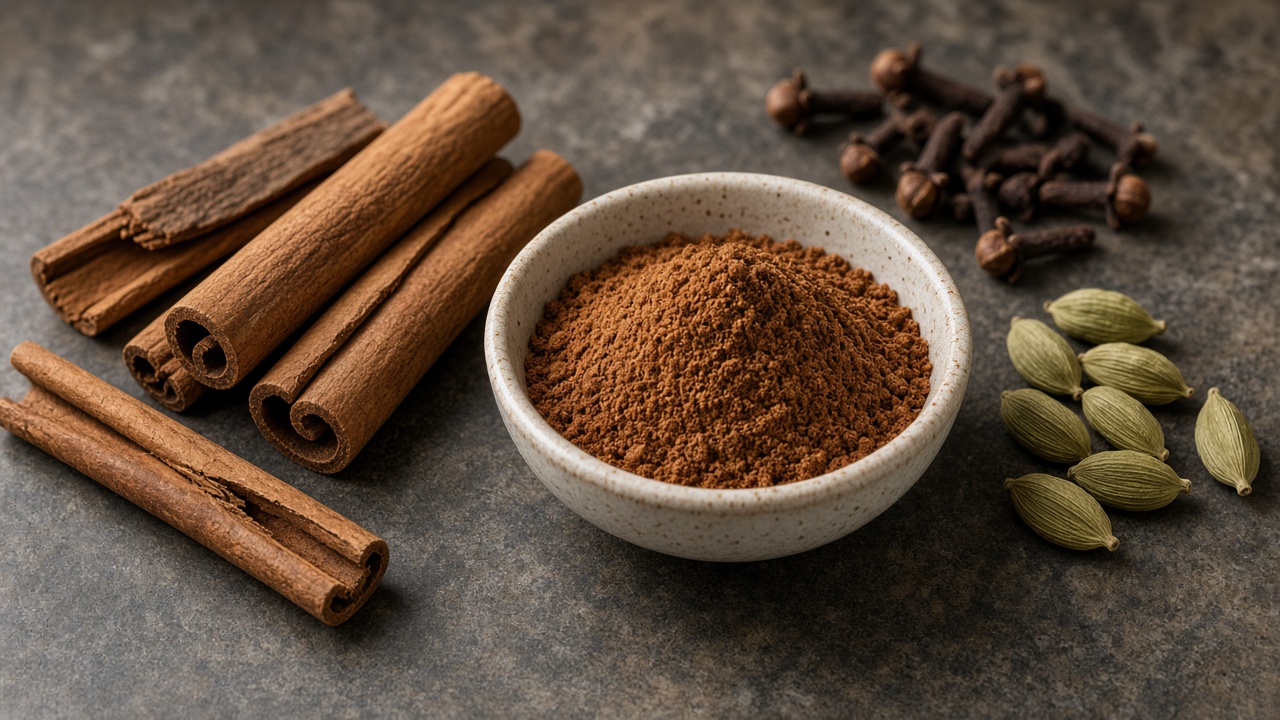
The 5% cinnamaldehyde grade is closer to flavour than to a polyphenol capsule.
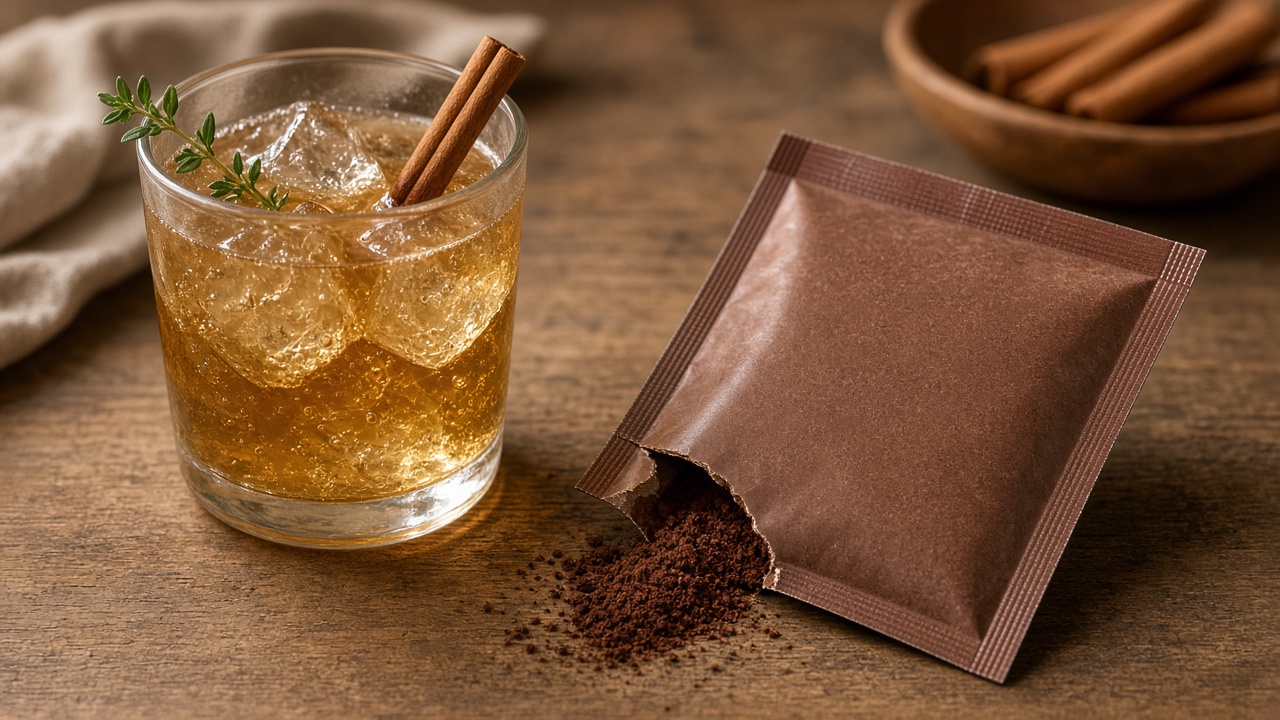
Use a flavour-grade aldehyde spec. Do not assume the capsule extract tastes like bakery cinnamon.
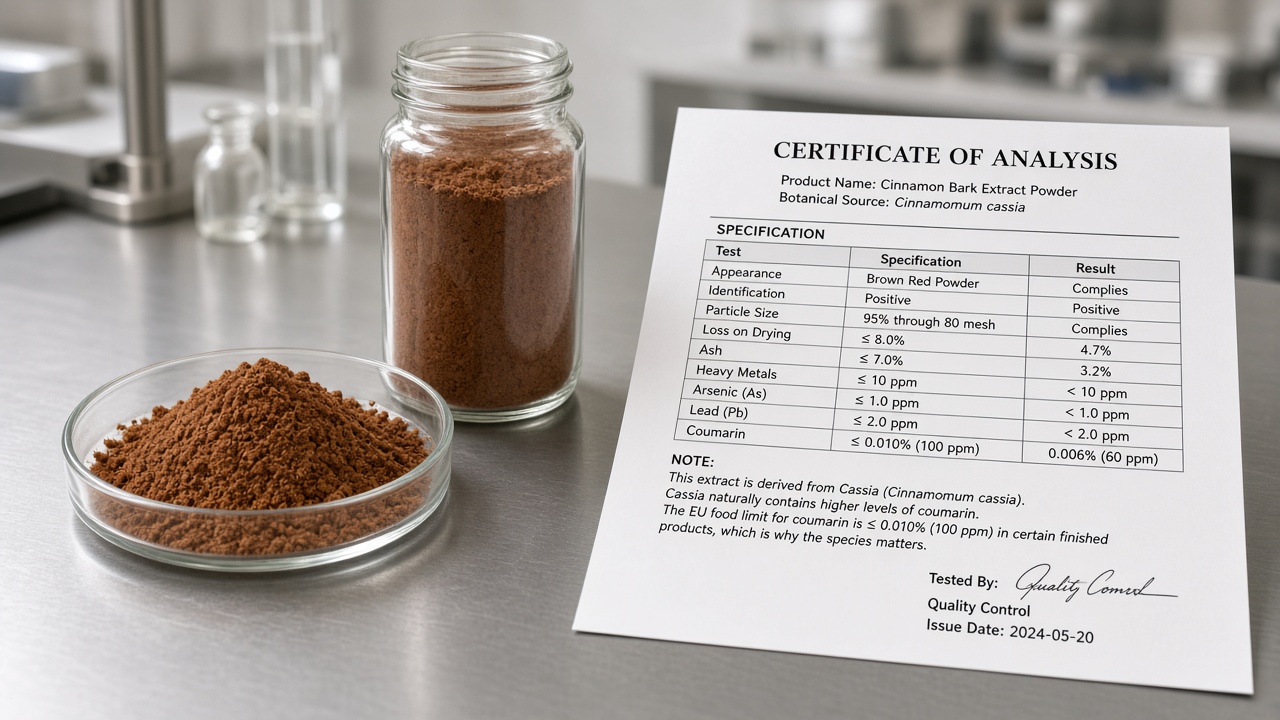
Cassia runs higher in coumarin. The EU food limit is why the species matters.
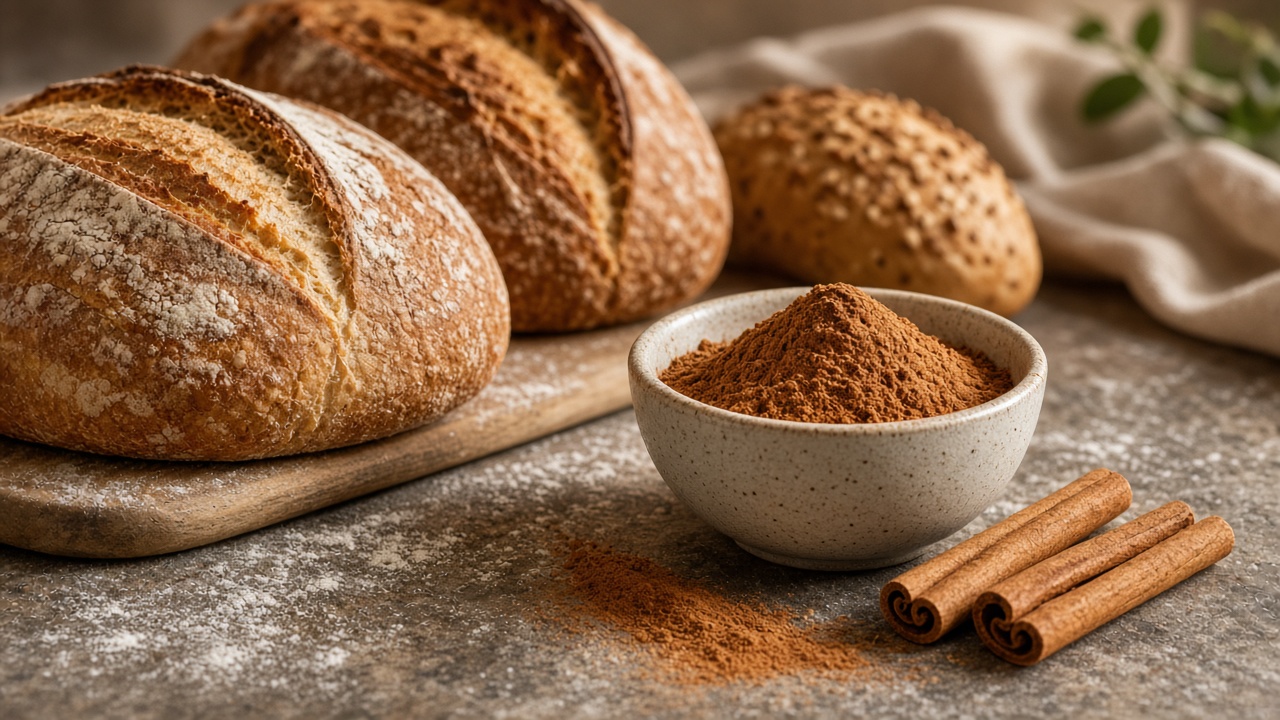
Use the cinnamaldehyde grade for flavour. The polyphenol extract will not taste like cinnamon sugar.
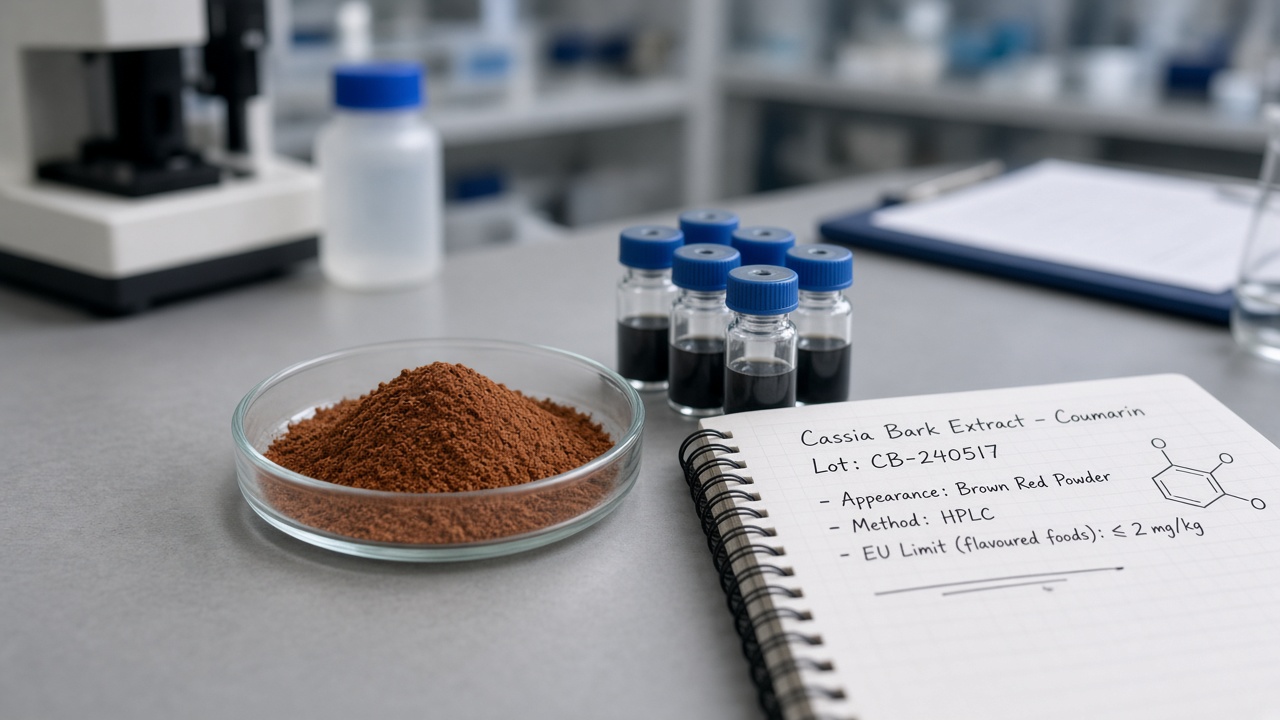
Ask for it on Cassia lots. The EU limits coumarin in flavoured foods.