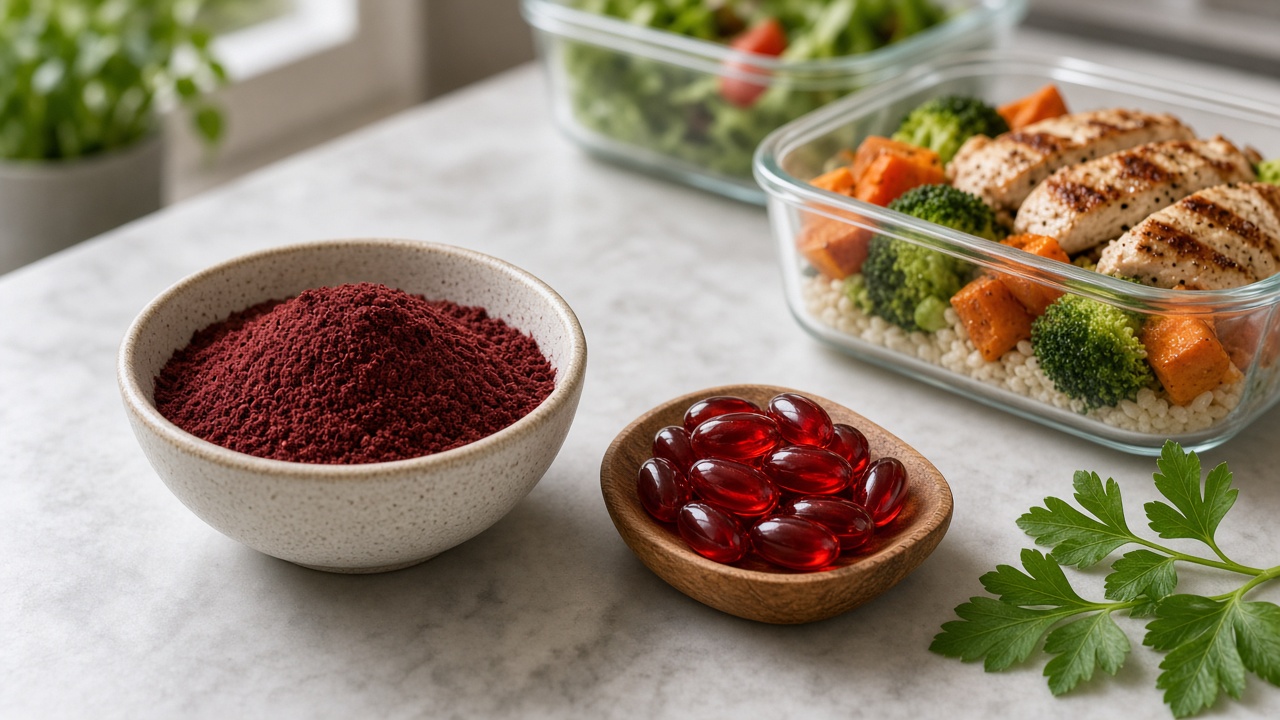
Softgels
The usual dose form. Match oil or beadlet to the filling line.
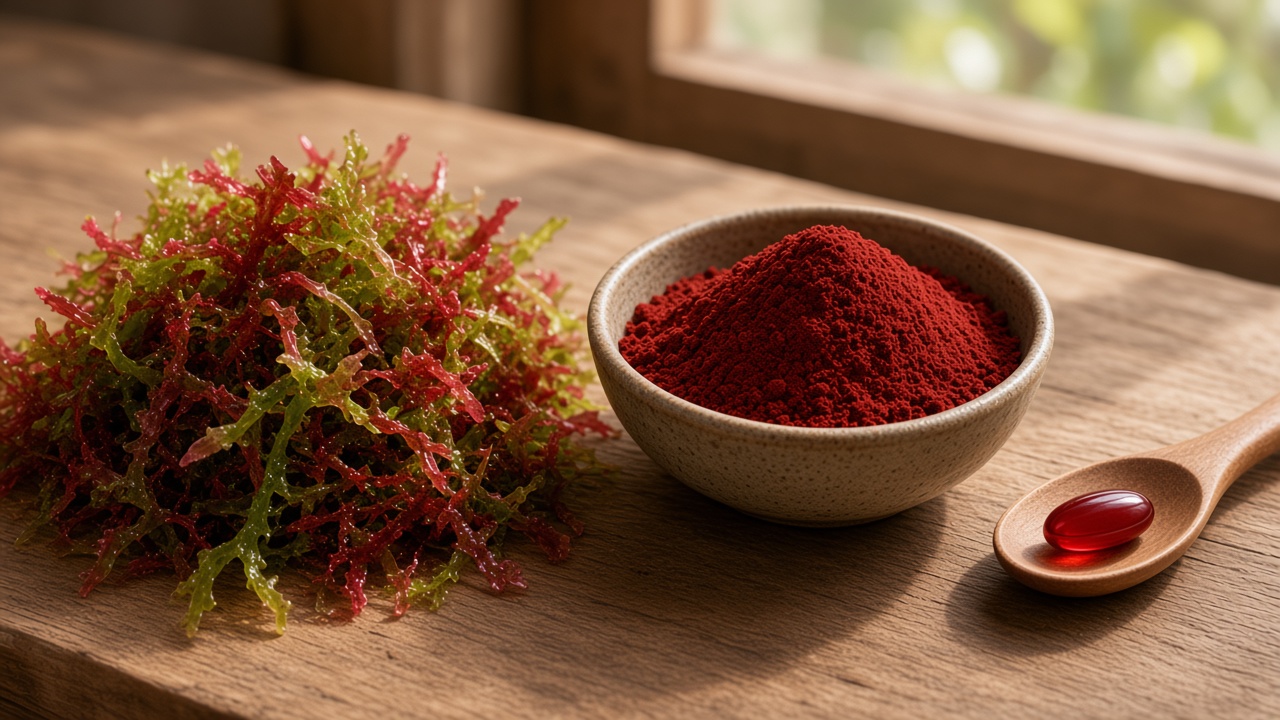
Astaxanthin in this grade comes from the microalga Haematococcus pluvialis, not from a land plant and not from synthetic crystals unless that is specified. Powders are commonly 2%, 3%, 5% or 10% on a carrier; oils run higher.
It is a red carotenoid used in softgels and in antioxidant or skin formulas. The alga form is mostly esterified astaxanthin.
When buying, say powder or oil, the percent, and “from Haematococcus” if you are rejecting synthetic or krill sources.
| Product Name | Haematococcus Pluvialis Extract Astaxanthin Powder | Botanical Name | Haematococcus pluvialis |
|---|---|---|---|
| Specification | 2%, 3%, 5%, 10% astaxanthin | Appearance | Dark Red Fine Powder |
| Test Method | HPLC | MOQ | 1kg |
| Shelf Life | 2 years | Botanical source | Haematococcus pluvialis |
| Particle size | 95% pass 80 mesh | Packaging | 1-5 kg bags or 25 kg carton/drum |
| COA | Available | Certificate | ISO 22000, FDA, BRC, IFS, SGS, Kosher, Halal, Organic (EU), USDA, HACCP, ISO 9001 |
| Quality | Non-GMO, Non-irradiation, Allergen Free, BSE/TSE Free | Sample | 10-50 g sample for evaluation |
| OEM Service | Private labeling, customized packaging, capsules and tablets |
The usual dose form. Match oil or beadlet to the filling line.
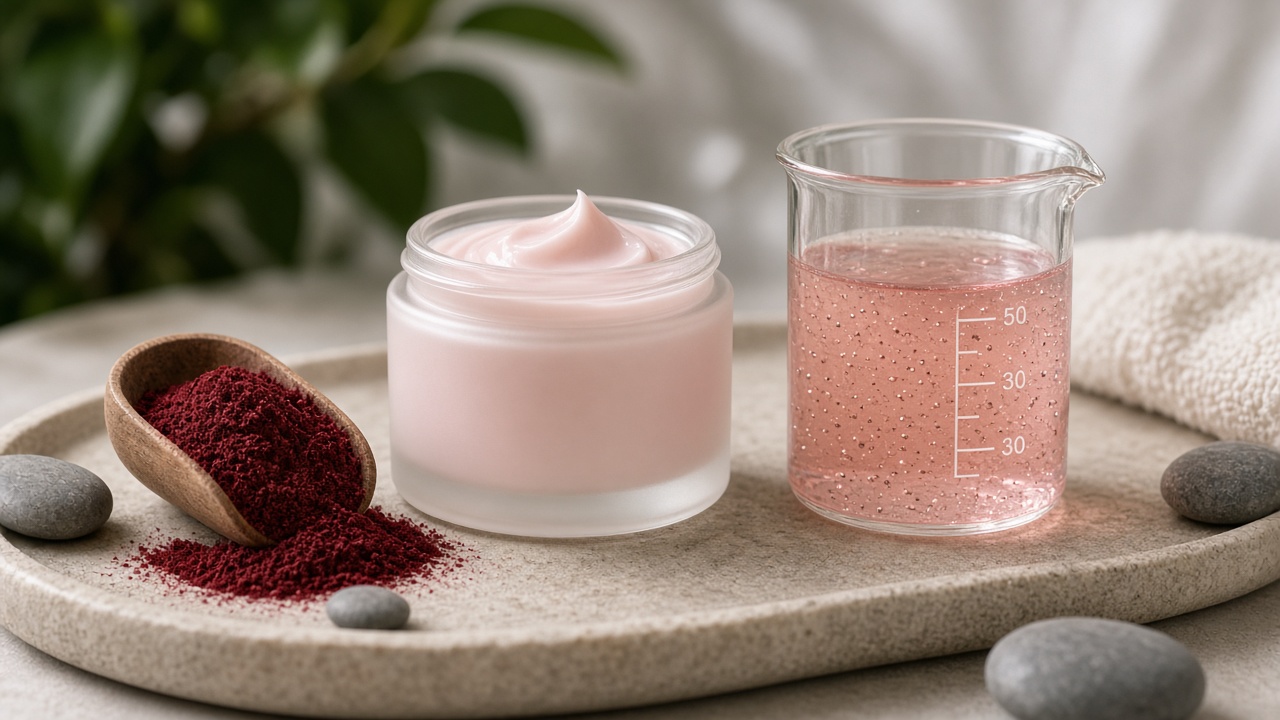
Colour is strong. A 2% beadlet and a 10% oil do not tint a cream the same way.
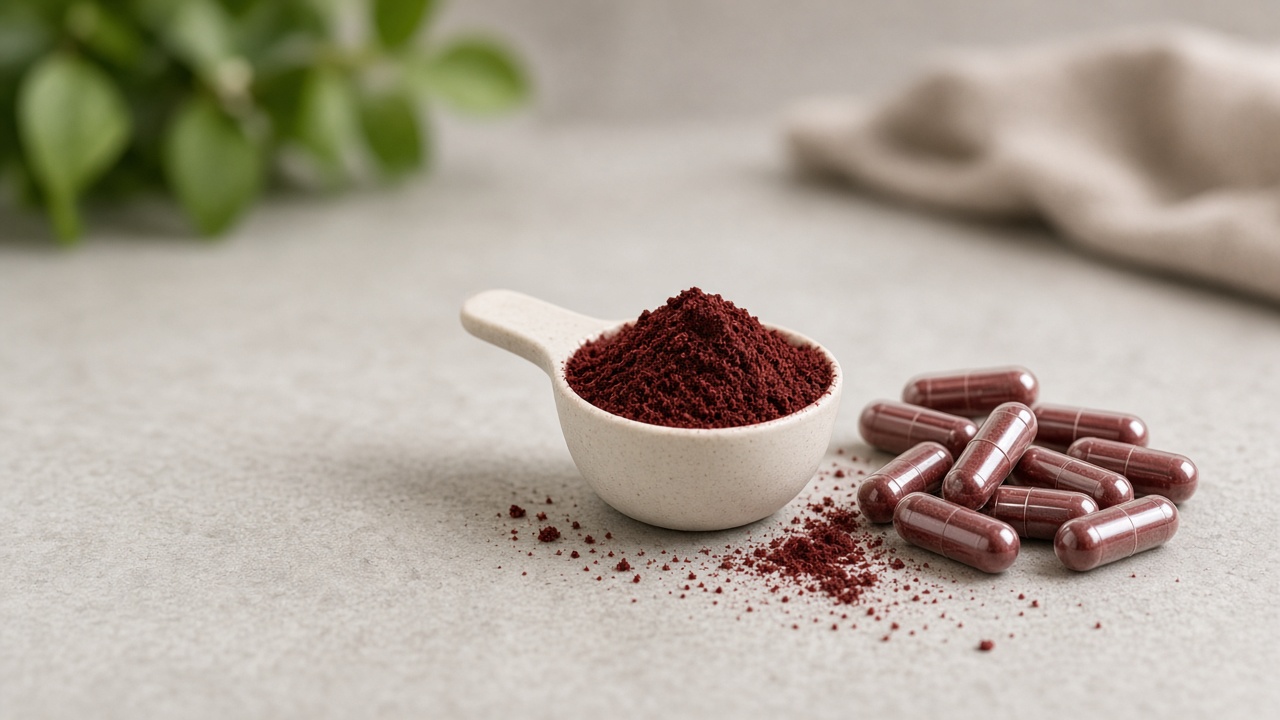
Use the algal ester spec if the label says Haematococcus.
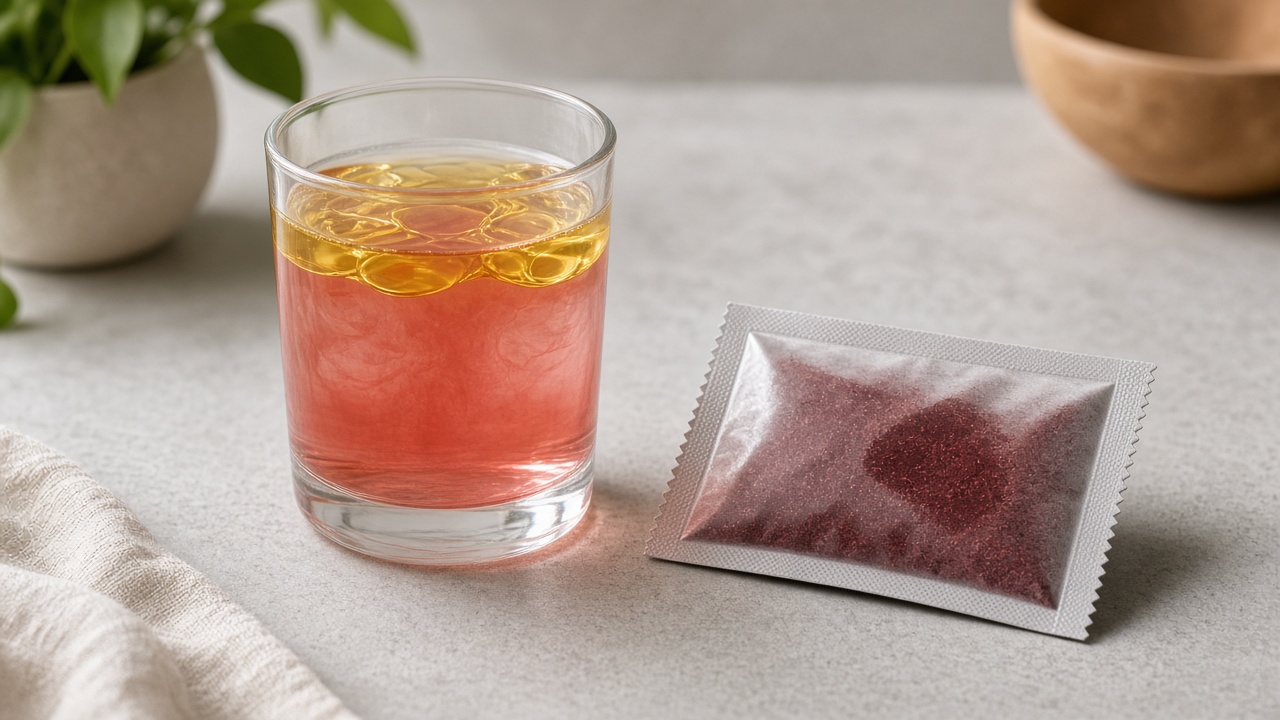
Oil floats. Use a dispersible powder and expect a red tint.
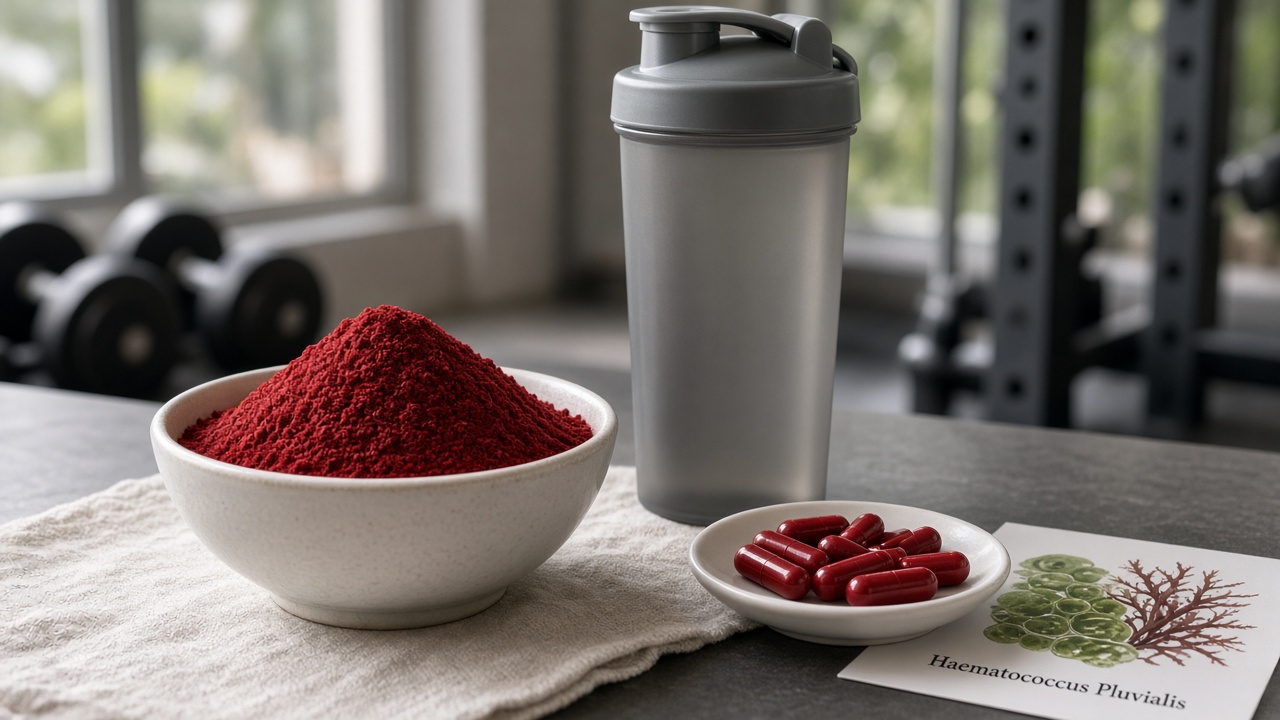
Keep “Haematococcus” on the sheet if synthetic astaxanthin is not acceptable.
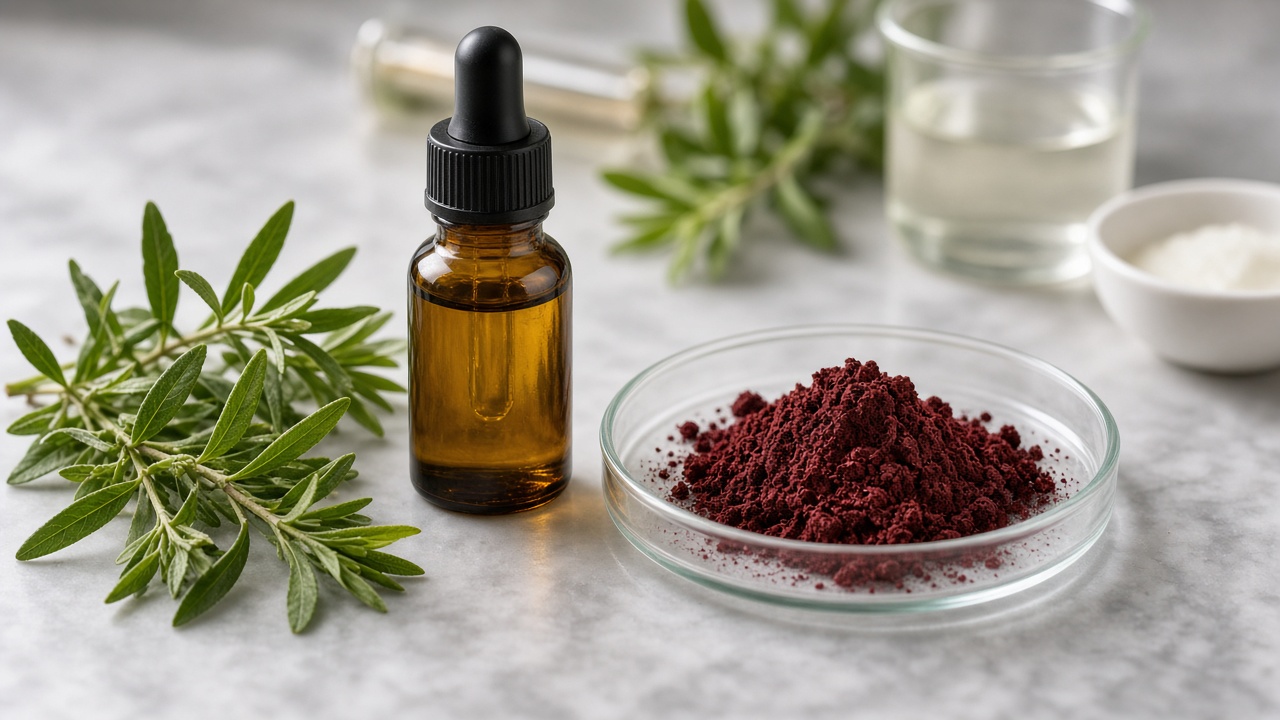
Higher assay than the powders, and a different filling line.