Reference and R&D
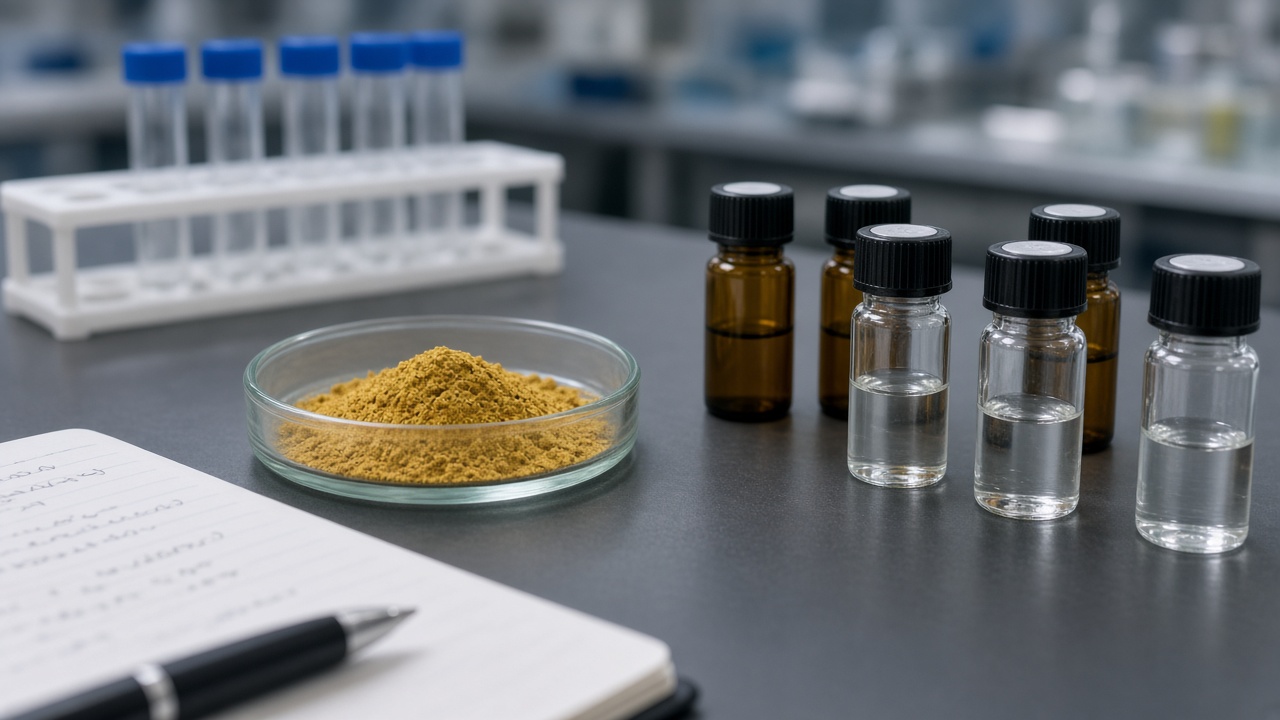
A defined anthraquinone grade for analytical or formulation screening, not a beverage base.
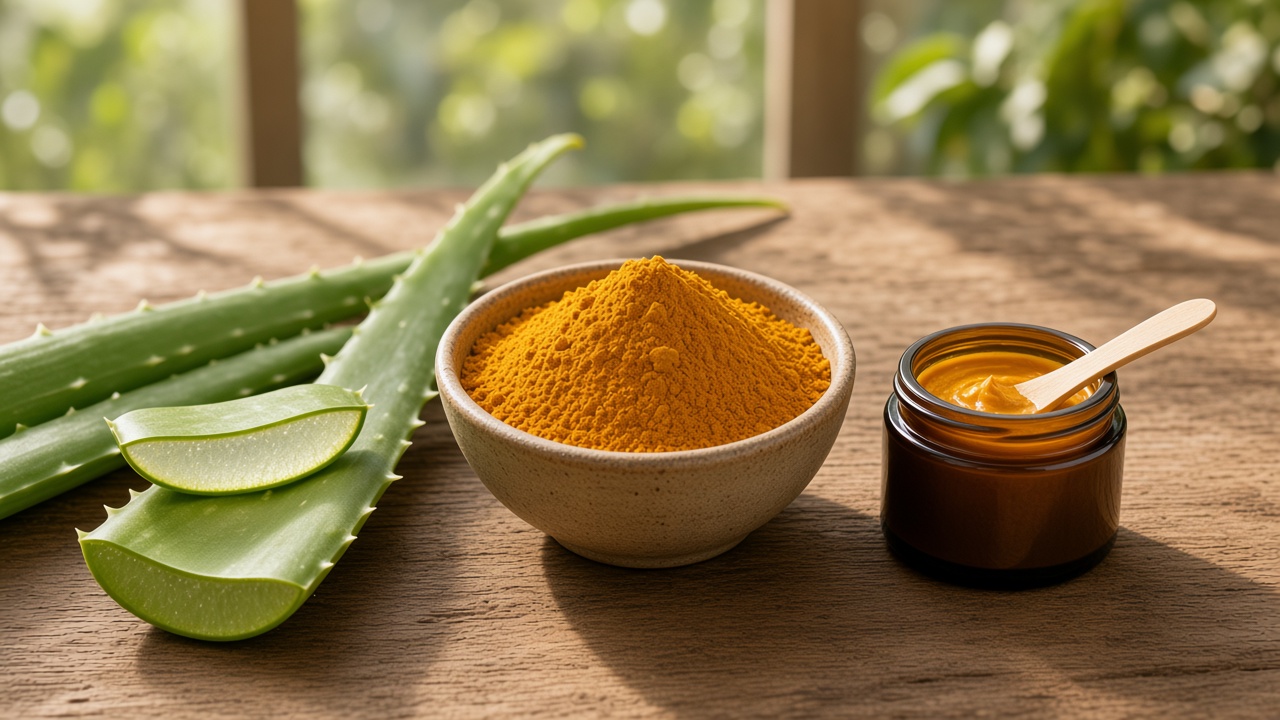
This aloe leaf extract is standardized to aloe-emodin or aloin, the anthraquinone fraction. It is not the clear inner-leaf gel used for drinks and after-sun gels.
High-assay aloe-emodin (95–98%) and aloin grades (about 10–90%) are controlled raw materials. Anthraquinone-rich aloe has tight limits in oral and cosmetic use.
When buying, name the marker and the percent. Do not accept a COA that only says “aloe extract”.
| Product Name | Aloe Vera Extract Aloe-emodin Powder | Botanical Name | Aloe vera |
|---|---|---|---|
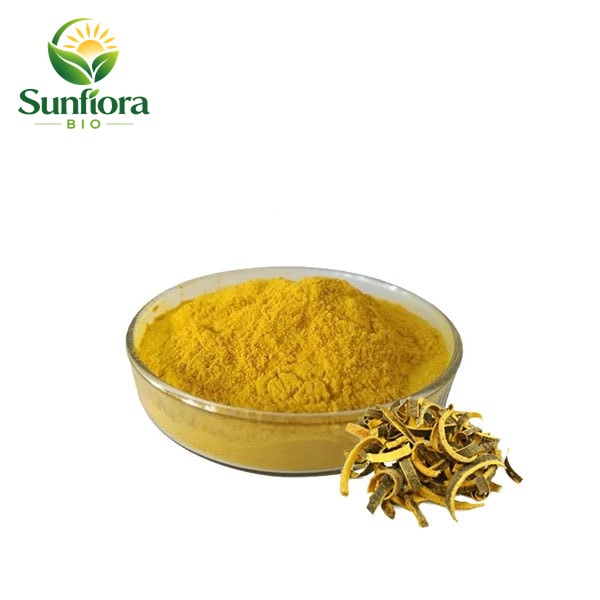
| Specification | 95%, 98%Aloe-emodin; 10%, 20%, 90%Aloin | Appearance | Yellow or yellow brown powder |
| Test Method | HPLC | MOQ | 1 kg |
| Active Ingredient | Aloe-emodin,Aloin | Shelf Life | 2 years |
| Botanical Source | Aloe vera | Extract Part | Leaf |
| Active Ingredients | Aloe-emodin, Aloin | Aloe-Emodin Specification | 95%, 98% |
| Aloin Specification | 10%, 20%, 60%, 90% | Grade | Food Grade |
| COA | Available | Certificate | ISO 22000, FDA, BRC, IFS, SGS, Kosher, Halal, Organic (EU), USDA, HACCP, ISO 9001 |
| Quality | Non-GMO, Non-irradiation, Allergen Free, BSE/TSE Free | Sample | 10-50 g sample for evaluation |
| OEM Service | Private labeling, customized packaging, capsules and tablets | Packaging | 1-5 kg / 25 kg (aluminum foil bag / fiber drum) |
A defined anthraquinone grade for analytical or formulation screening, not a beverage base.
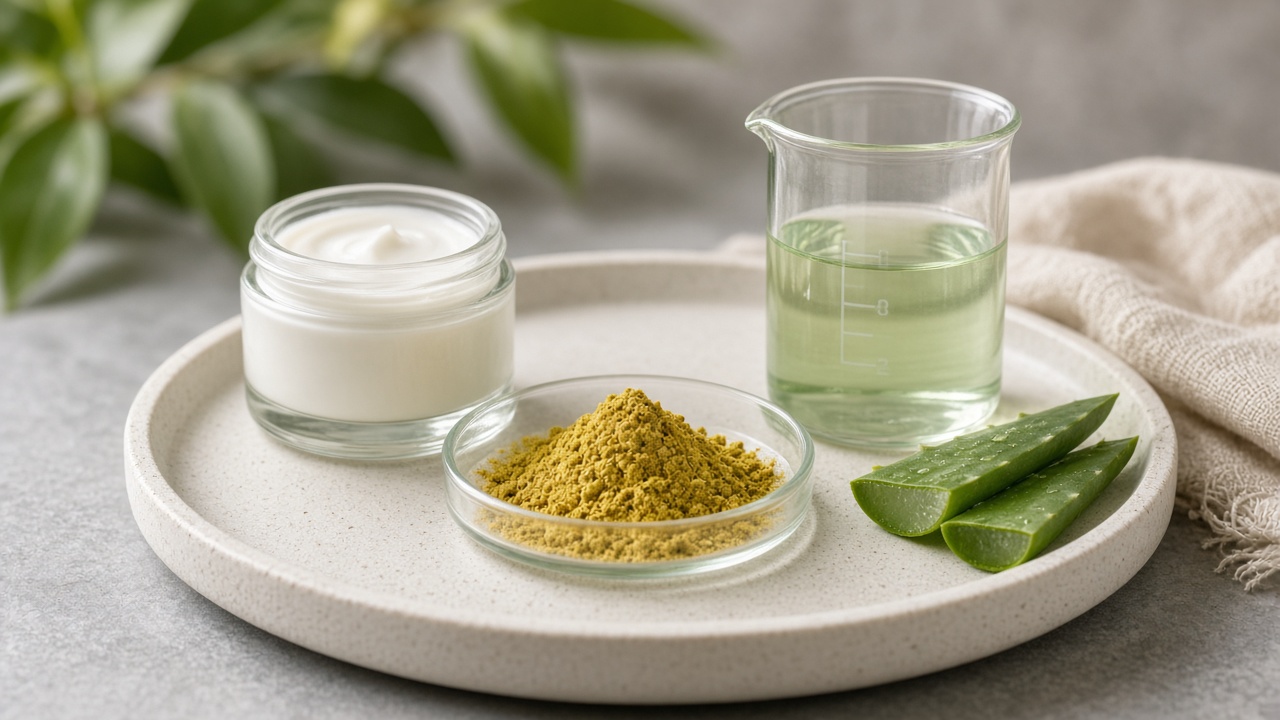
Only after a safety review. This is not the decolorized gel on an INCI aloe-gel line.
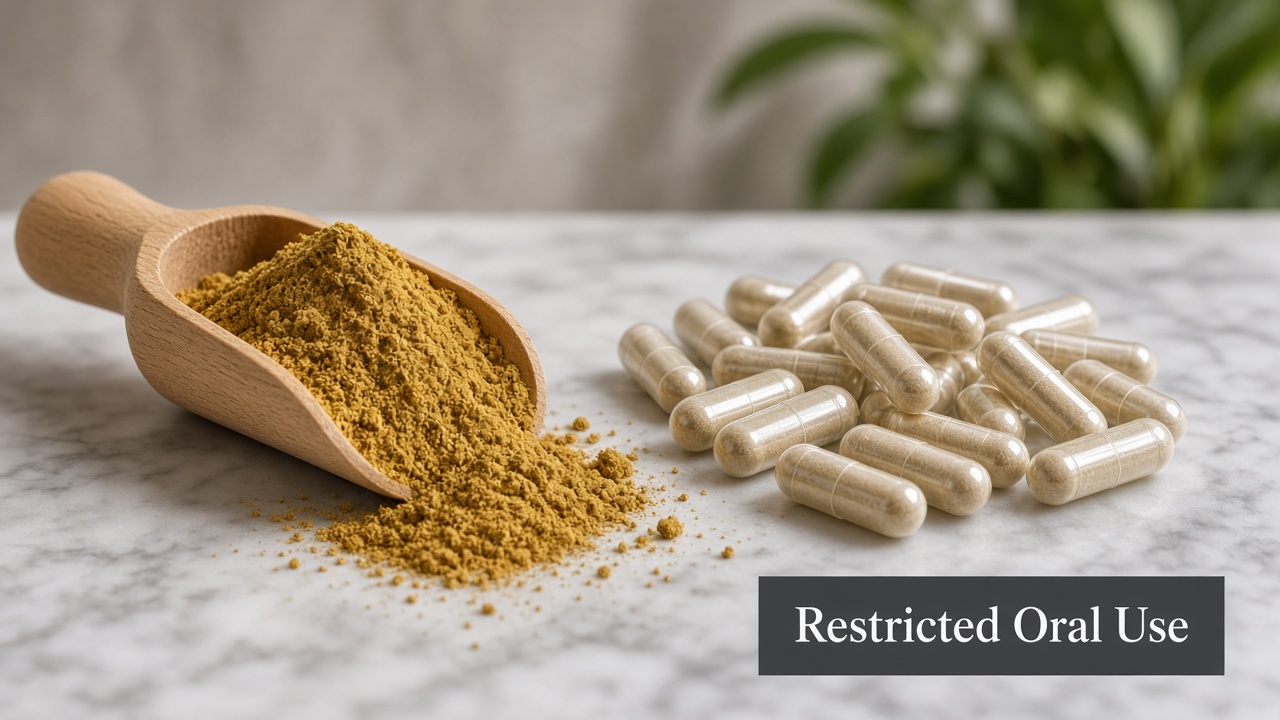
Many markets limit aloe anthraquinones in food. Check the annex before a capsule brief.
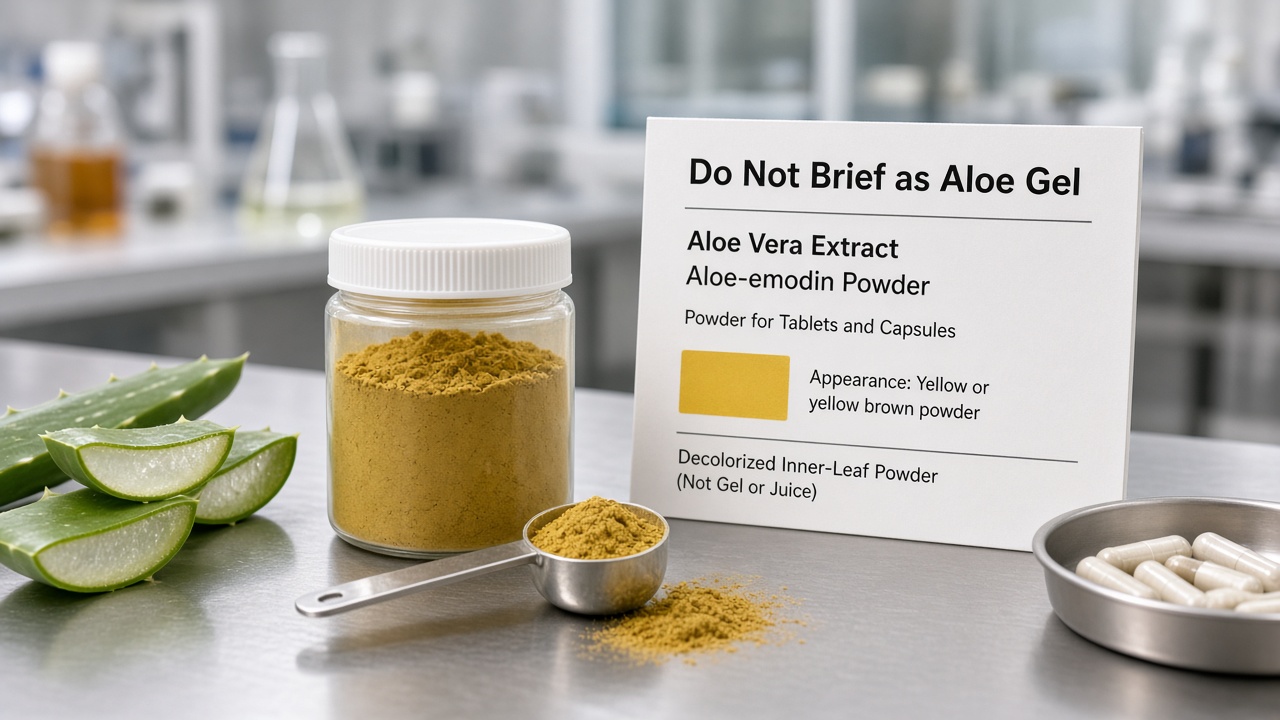
If the label says soothing gel or juice, order a decolorized inner-leaf powder instead.
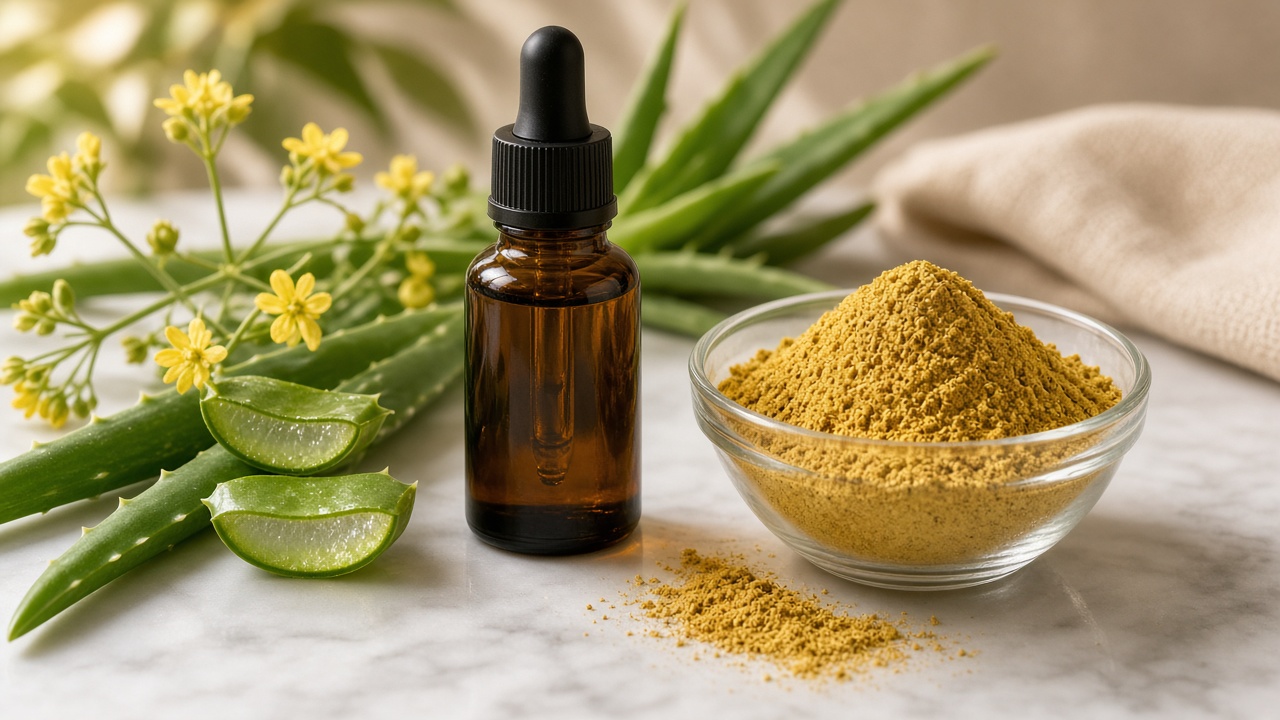
Yellow to yellow-brown. It will tint a white base.