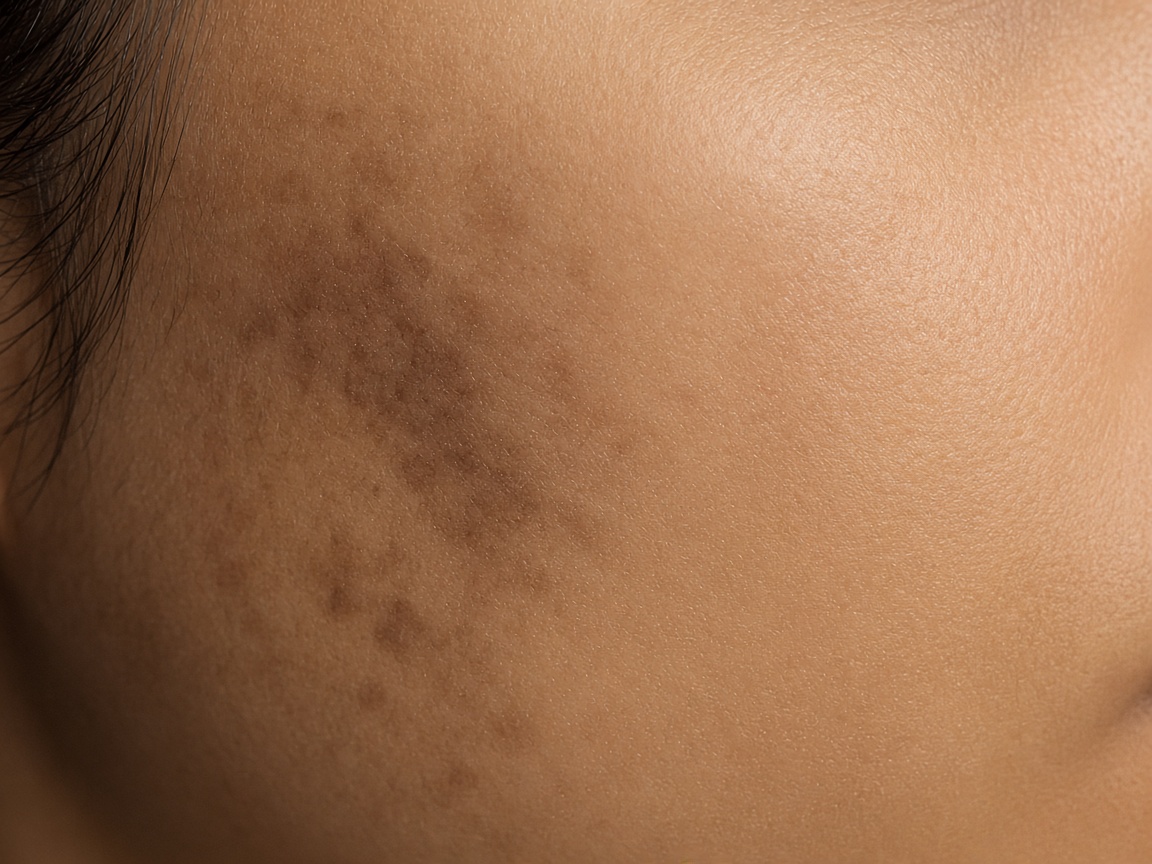
Even tone · Dark spots · Hyperpigmentation
Works as a tyrosinase inhibitor to slow melanin formation—supports finished products positioned for freckles, post-inflammatory marks and uneven tone (claims depend on your formula and market rules).
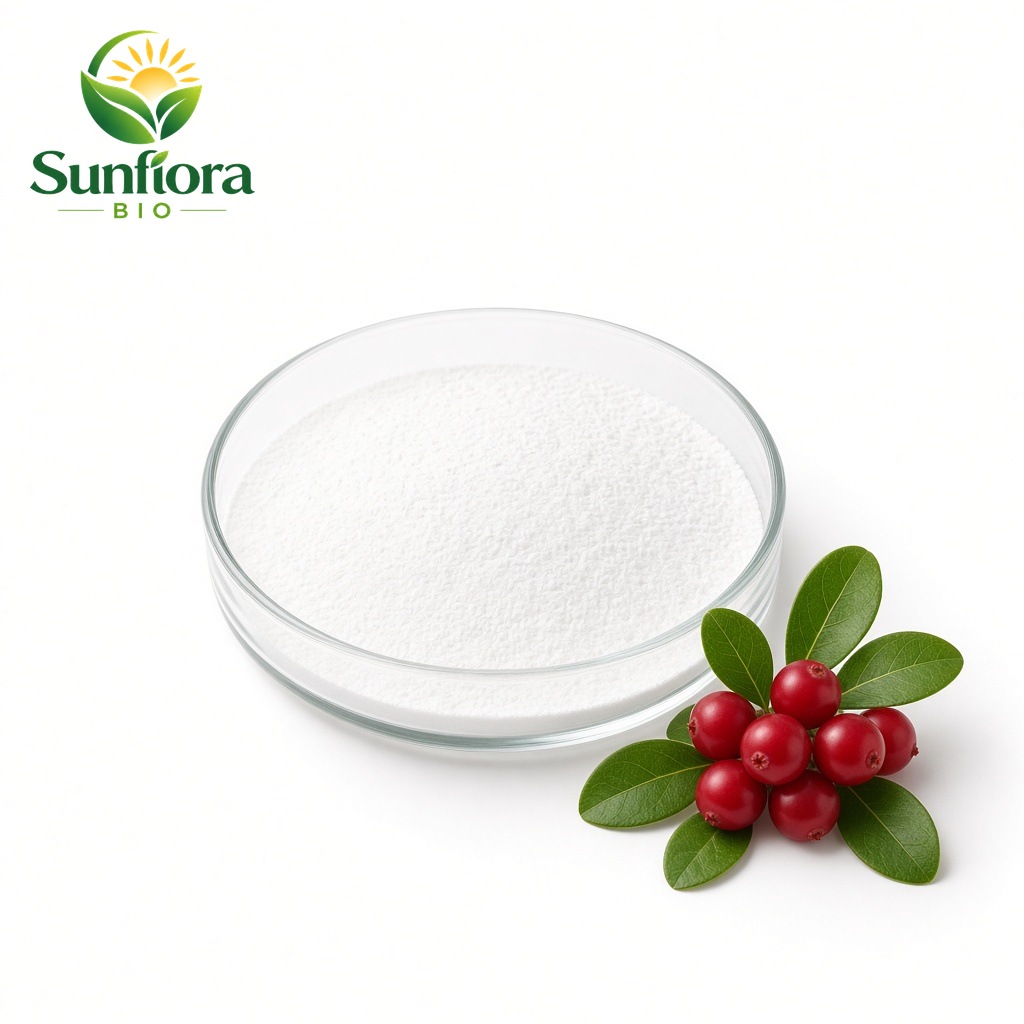
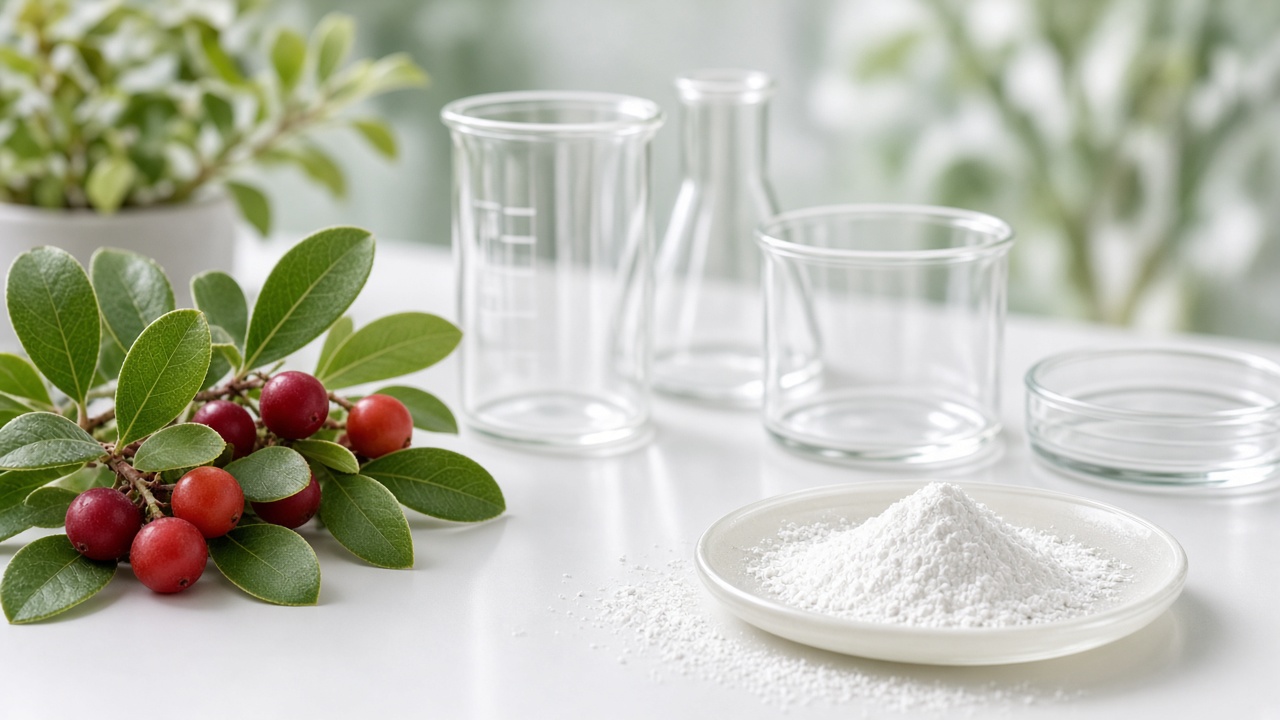
Alpha Arbutin is a water-soluble tyrosinase inhibitor used in cosmetic-grade brightening formulas. This SKU is quoted at 99% (HPLC) as white powder with INCI name Alpha-Arbutin and CAS 84380-01-8 on the supplier sheet.
Unlike hydroquinone, alpha arbutin releases its active moiety slowly on skin, which is why formulators often choose it for serums and creams aimed at hyperpigmentation with lower irritation risk on daily-use products. It is not interchangeable with beta arbutin or kojic acid on the same INCI line—solubility, heat stability and supplier assay must match the purchase order.
Certificate and quality lines on the trade sheet (ISO 22000, Kosher, Halal, COSMOS, etc.) should be confirmed on the lot COA for your destination market—do not assume every logo applies to every shipment.
| Product Name | Alpha Arbutin/Beta Arbutin Powder | Source | Bearberry (Arctostaphylos uva-ursi) leaf and related botanical sources |
|---|---|---|---|
| INCI Name | Alpha-Arbutin | Purity / Specification | 99% |
| Appearance | White powder | Application | Whitening face creams, serums, lotions and tone-correcting skincare |
| Solubility | Water-soluble | MOQ | 1 kg |
| Grade | Cosmetic grade | CAS No. | 84380-01-8 |
| Test Method | HPLC | Certificate | ISO 22000, FDA, BRC, COSMOS, IFS, SGS, Kosher, Halal, Organic (EU), USDA, HACCP, ISO 9001 |
| Quality | Non-GMO, Non-irradiation, Allergen Free, BSE/TSE Free | Sample | 10–50 g sample available |
| OEM Service | Private label and customized packaging | Packaging | Resealable bags; 25 kg / 50 kg drum on request |
| Shelf Life | 2 years | COA | Available |
Works as a tyrosinase inhibitor to slow melanin formation—supports finished products positioned for freckles, post-inflammatory marks and uneven tone (claims depend on your formula and market rules).

Supplier literature cites antioxidant activity that may help neutralize oxidative stress linked to dullness—pair with your stability data before promising long-wear protection on the label.
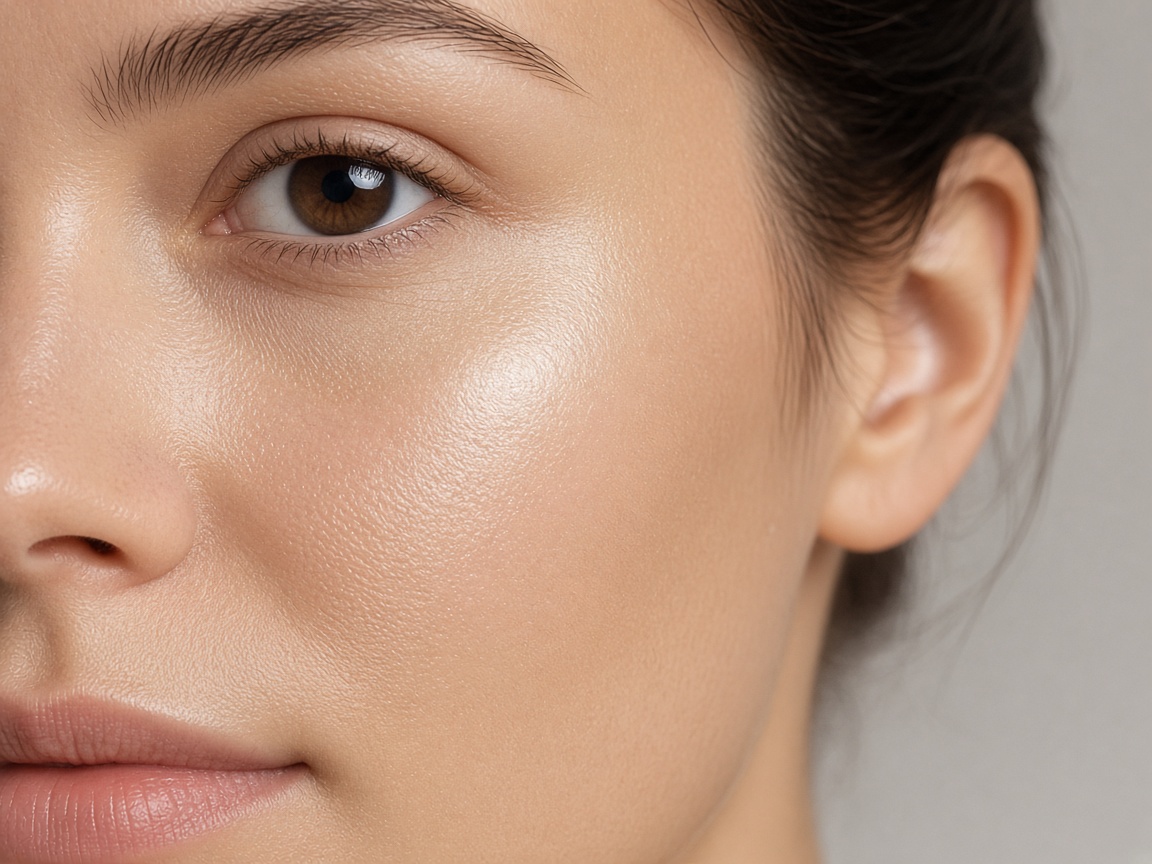
By limiting excess melanin production, alpha arbutin fits brightening and tone-correcting lines where buyers want a hydroquinone alternative with milder day-to-day use positioning.
Both forms are arbutin glycosides used as tyrosinase inhibitors, but alpha arbutin uses an α-glucosidic linkage that suppliers describe as more stable in water and under heat than beta arbutin’s β linkage.
Alpha arbutin is typically more expensive to manufacture; beta arbutin may appear in cost-sensitive lines. They are not interchangeable on INCI or stability data—quote the form on the purchase order and run separate compatibility tests in your base emulsion or serum.
Compared with hydroquinone, arbutin releases hydroquinone slowly on skin, which is why many brands position arbutin for brightening with lower acute irritation risk—still validate use level and region-specific limits in your safety file.